

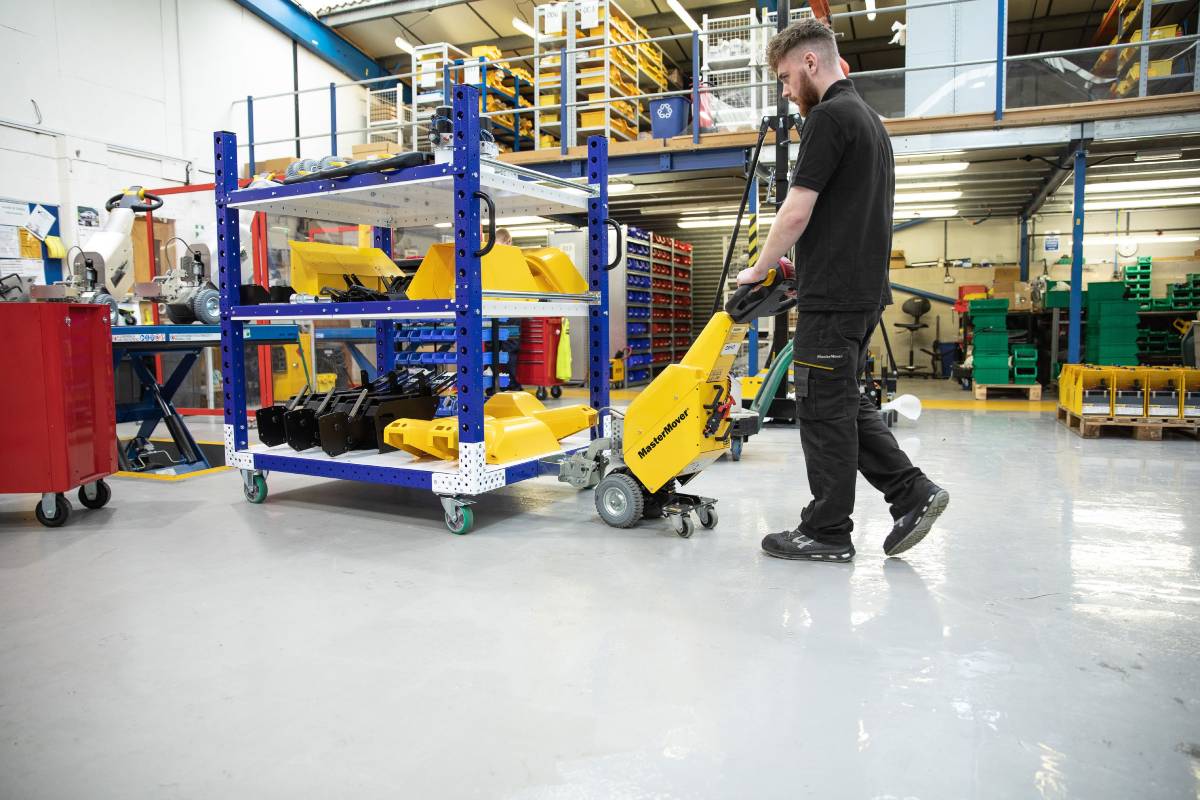
In industries ranging from manufacturing and logistics to construction and warehousing, the backbone of productivity lies in how efficiently materials are moved, stored, and organized. Companies rely on reliable material handling equipment to streamline these operations, improve safety, and minimize downtime. Whether lifting heavy loads, transporting fragile items, or managing bulk materials, the right equipment makes the difference between smooth operations and costly inefficiencies.
This article explores the importance of reliable material handling equipment, the different types available, and the benefits businesses gain when they invest in high-quality solutions.
Why Reliable Material Handling Equipment Matters
Material handling equipment plays a crucial role in day-to-day operations. Without it, businesses would face slow processes, increased injury risks, and potential losses due to damaged goods. Choosing reliable equipment ensures:
- Safety for workers: Proper equipment minimizes strain injuries and accidents.
- Efficiency: Faster movement of goods reduces downtime and bottlenecks.
- Cost-effectiveness: Reliable machinery reduces repair costs and extends lifespan.
- Consistency: Standardized processes create predictable workflows.
In industries where precision and speed directly impact customer satisfaction, reliability is not optional—it’s a requirement.
Types of Material Handling Equipment
Reliable material handling equipment comes in many forms, each designed for specific applications. Below are the primary categories:
- Storage and Handling Equipment
These systems maximize space while keeping materials organized and accessible. Examples include:
- Pallet racks: Ideal for warehouses storing large quantities of goods.
- Shelving systems: For smaller items requiring easy access.
- Bins and totes: Useful in manufacturing or distribution for categorizing materials.
- Industrial Trucks
Industrial trucks are versatile, mobile equipment used for transporting items. Types include:
- Forklifts: Essential for lifting and moving pallets in warehouses.
- Pallet jacks: Manual or powered tools for moving pallets short distances.
- Order pickers: Specialized for retrieving goods from high racks.
- Bulk Material Handling Equipment
For industries dealing with large volumes of loose materials, these tools are indispensable:
- Conveyors: Efficiently move materials across production lines.
- Hoppers and silos: Store and dispense bulk goods like grains or chemicals.
- Bucket elevators: Transport materials vertically with minimal spillage.
- Engineered Systems
Automated systems integrate multiple equipment types for greater efficiency:
- Automated storage and retrieval systems (AS/RS): Use robotics to retrieve goods from high-density storage.
- Automated guided vehicles (AGVs): Transport goods across facilities without human intervention.
- Conveyor systems: Often integrated with robotics to optimize workflow.
Key Features of Reliable Material Handling Equipment
When evaluating equipment, businesses should prioritize features that guarantee long-term reliability:
- Durability: Built from high-quality materials to withstand daily wear and tear.
- Ergonomic design: Protects workers by reducing physical strain.
- Energy efficiency: Modern electric-powered equipment lowers costs and emissions.
- Low maintenance needs: Fewer breakdowns mean reduced downtime.
- Scalability: Equipment that adapts as operations expand.
Benefits of Investing in Reliable Equipment
- Improved Safety
Accidents are costly, both financially and emotionally. Reliable equipment designed with safety features reduces workplace injuries and ensures compliance with safety regulations.
- Higher Productivity
With dependable machinery, businesses can move more goods in less time, improving throughput and customer satisfaction.
- Reduced Operational Costs
Although high-quality equipment requires upfront investment, its durability and efficiency lead to long-term savings by lowering repair costs and reducing energy usage.
- Better Inventory Management
Advanced systems like AS/RS provide real-time tracking, reducing errors and improving order fulfillment.
- Employee Satisfaction
Workers benefit from safer, easier-to-use tools, which boosts morale and reduces turnover.
Applications Across Industries
Reliable material handling equipment is indispensable across multiple industries:
- Warehousing and Logistics: Forklifts, conveyors, and racks streamline the storage and distribution of goods.
- Manufacturing: Bulk material equipment supports production lines and reduces bottlenecks.
- Construction: Cranes, hoists, and lifts move heavy materials safely on-site.
- Retail: Shelving and order pickers enhance inventory organization and accessibility.
- Food and Beverage: Specialized equipment ensures hygienic and efficient handling of perishable goods.
How to Choose the Right Equipment
When selecting material handling solutions, businesses should consider:
- Type of Materials: Fragile, bulky, or hazardous items may require specialized equipment.
- Volume of Operations: Higher volumes benefit from automated systems.
- Workplace Layout: The size and design of a facility determine which equipment fits best.
- Budget vs. ROI: Balancing initial costs with long-term savings is essential.
- Vendor Reputation: Work with suppliers known for reliable products and after-sales support.
Maintenance and Longevity
Reliability doesn’t end with purchase. Proper maintenance is critical:
- Regular inspections: Identify wear and tear early.
- Scheduled servicing: Keeps machinery in top condition.
- Operator training: Ensures safe and efficient use.
- Spare parts availability: Quick replacements minimize downtime.
Investing in preventive maintenance not only extends the life of equipment but also guarantees consistent performance.
Trends in Material Handling Equipment
The industry is evolving rapidly with innovations designed to make material handling safer, smarter, and more efficient. Key trends include:
- Automation and Robotics: Increasing use of AGVs, robotics, and AI-powered systems.
- Sustainability: Eco-friendly designs that reduce emissions and energy consumption.
- IoT Integration: Smart equipment connected to monitoring systems for predictive maintenance.
- Customization: Tailored equipment designed for unique industry requirements.
Final Thoughts
Reliable material handling equipment is not just an operational tool—it’s a strategic investment that impacts safety, efficiency, and profitability. From forklifts and pallet racks to advanced automation systems, the right equipment ensures smooth workflows and supports business growth.
Companies that prioritize reliability benefit from fewer breakdowns, reduced costs, and enhanced worker satisfaction. In an era where efficiency and safety define competitive advantage, investing in durable, high-performing material handling equipment is one of the smartest decisions any business can make.