

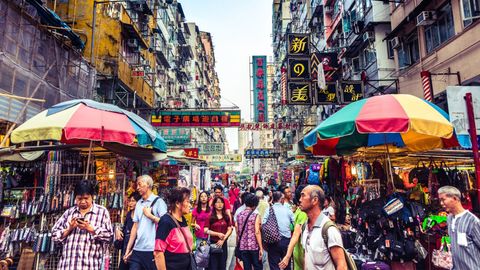
Leasing a retail shop in Hong Kong is a strategic decision that can determine the long-term success of any business in the city’s fiercely competitive market. The choice of location and understanding the subtleties of commercial leasing are critical. This guide explores the top retail districts, current market trends, and key leasing tips for prospective tenants in 2025.
Top Retail Streets for Shop Lease in Hong Kong
Hong Kong’s retail landscape is defined by several high-profile shopping streets renowned for their heavy pedestrian traffic, strong local and tourist appeal, and wide variety of retail offerings.
- Causeway Bay: Frequently named the world’s most expensive retail district, Russell Street in Causeway Bay remains a prime choice for international brands and luxury retailers. Tenants benefit from exceptional exposure, proximity to flagship malls (Times Square, Hysan Place), and easy MTR access.
- Tsim Sha Tsui: This district, anchored by Nathan Road, offers a blend of premium retail and entertainment, with close links to office towers, hotels, and ferry terminals. It has a vibrant mix of global brands, boutiques, and high footfall from both locals and tourists.
- Mong Kok: Known for bustling street markets and vertical shopping complexes, streets like Sai Yeung Choi Street South attract mass-market retailers and benefit from high turnover and broad customer reach. Recent leasing activity in Mong Kok highlights healthy demand and steady rental levels, making it highly attractive for new lease signers.
Other notable areas for commercial retail leasing include Central, Sheung Wan, Sham Shui Po, Stanley Market, and increasingly, emerging locations in Kowloon East such as Kai Tak and Kwun Tong, where developers are introducing modern shopfronts at more affordable leasing rates.
2025 Market Trends: Leasing Demand and Rental Dynamics
The first half of 2025 has seen stable leasing demand across core retail districts, driven by a recovery in tourism and resilient domestic consumption. Mass-market retailers and food & beverage operators continue to drive leasing activity, particularly for street-level shops with high visibility and dynamic turnover.
- Vacancy rates remain manageable, with prime streets maintaining strong occupancy and rental growth ranging between 0-3% for most retail categories.
- More affordable rent levels in previously high-cost districts are encouraging new entrants and supporting the reshuffling of tenants. Mass-market and mid-tier brands have expanded their footprint as landlords consolidate and promote longer lease terms.
- Government promotions, including mega-events and new infrastructure like Kai Tak Stadium, are boosting the attractiveness of certain districts, especially for retailers seeking new customer segments.
What Tenants Need to Know: Lease Structures and Legal Essentials
Signing a shop lease in Hong Kong involves more complexity than residential contracts. Key considerations include:
- Lease Term: Typical leases run 2-5 years, with renewal options or break clauses negotiable subject to market conditions and landlord flexibility. Consider future expansion and the ability to renegotiate terms as business needs evolve.
- Permitted Use: Verify zoning compatibility and ensure shop activities comply with official permits and occupation licenses.
- Rent Structure: Base rent is usually calculated monthly, sometimes with turnover rent for high-performing retail units, plus management fees and government rates. Pay particular attention to escalation clauses and rent review mechanisms.
- Deposit and Fit-Out: Security deposits (3-6 months’ rent) and possible fit-out or rent-free periods are standard. Clarify rates liability and who bears utility costs during rent-free intervals.
It’s essential to review all lease documentation with professional guidance and to use legal names, verify property ownership, and ensure compliance with the Landlord and Tenant (Consolidation) Ordinance.
Negotiating the Best Terms
Tenants should leverage current market softness to negotiate favorable lease terms:
– Seek longer fit-out and rent-free periods, contribution to renovations, and flexibility in permitted use.
– Request a cap on rent increases or include clear break clauses for greater certainty.
– Inspect premises for repairs, structural issues, and accessibility before finalizing the deal.
A well-negotiated lease balances business success with risk management, providing the security needed to grow a retail presence in Hong Kong’s most lucrative shopping streets.
Final Thoughts
Choosing a shop for lease in Hong Kong’s top retail locations can dramatically elevate sales, brand awareness, and market positioning. Whether targeting Central’s business district, Causeway Bay’s luxury streets, or the vibrant crowds of Mong Kok, securing the right shop requires market knowledge, timing, and careful lease negotiation.
For tailored advice and access to premium shop leases, Hollies Properties connects tenants with the hottest retail spaces throughout Hong Kong, ensuring expert support from search to signing. Explore the city’s trending retail corridors and position your business for commercial success with expert guidance in Hong Kong property leasing.