

The user’s interaction is an intriguing riddle. Why do other users, whether on an app or a platform, keep using it day in and day out, whereas others stop using it after the first use? Uncertainty is a major component in the digital setting. Our brain becomes active when the results are unpredictable; our attention peaks, and our interest can soar. It can be a scroll through a social feed, a game, or a spin on a virtual wheel, but either way, the feeling of uncertainty directly appeals to the psychology of choice- and the knowledge of this can perhaps explain the behavior of users in any interactive online site.
Knowledge of User Interaction in Uncertainty.
What is User Engagement?
The use of engagement is not a gimmick; it is about spending time online. It is a combination of attention, interaction, and emotional interest. Measures such as session duration, visit frequency, and activity that indicates a transaction provide clues to the level of user engagement. Practically, engagement is defined by finer psychological indicators: the expectation of a reward, the anticipation of the uncertainty of the next move, or the minor excitement of defeating a challenge.
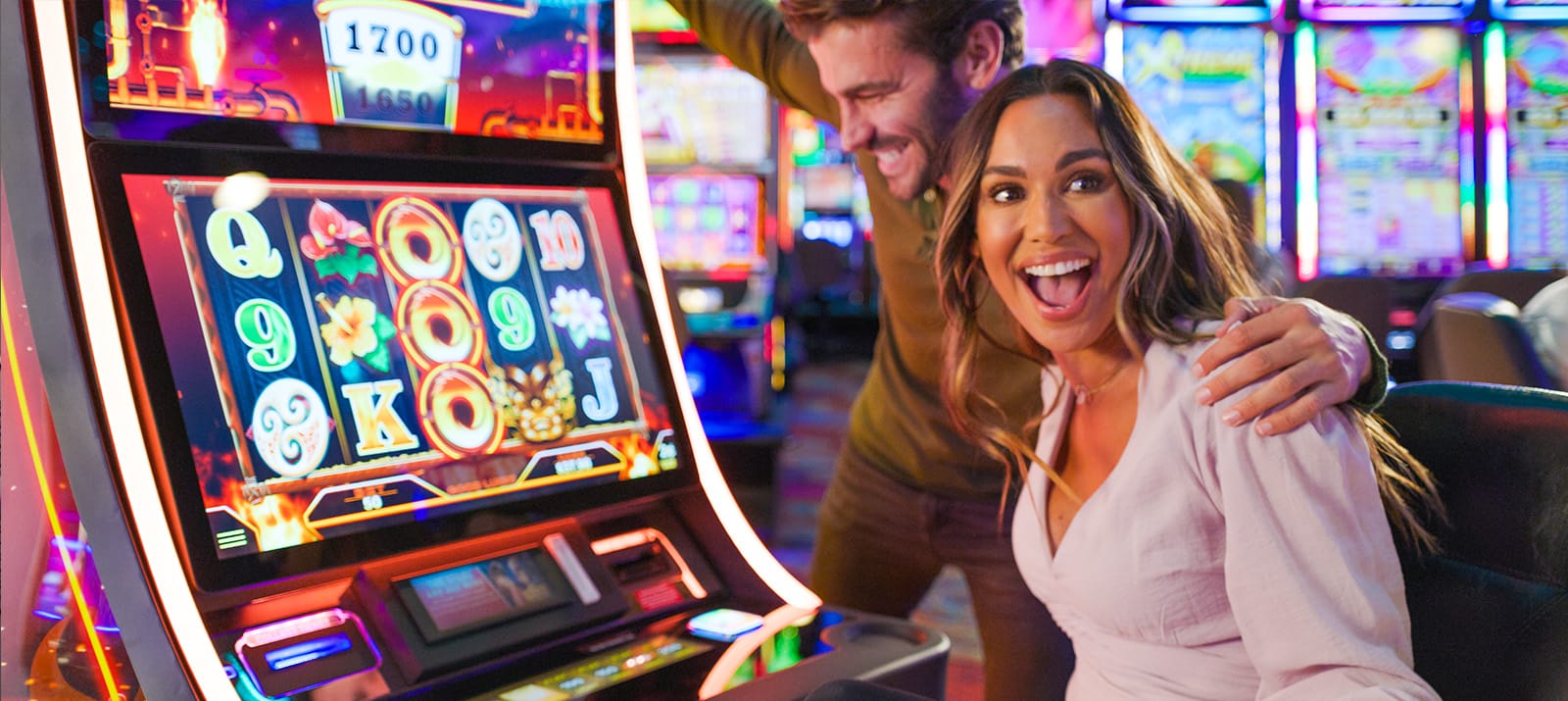
The example of platforms like Slots Gem Polska illustrates how uncertainty can fuel these interactions. Users do not just press buttons; they play through a system that offers intermittent surprises that will make them come back to it. All of these can be seen even in gamified apps, social media alerts, and loyalty programs, even though such processes are not related to gambling.
The Role of Uncertainty
The trick behind most engagement loops is uncertainty. In predictable results, excitement disappears; in unpredictable ones, there is a response in the brain’s dopamine circuits, which strengthens attention and action. The logic is straightforward: we are fond of surprises, and especially when small prizes can be received randomly, and slightly, as well as occasionally, consider variable rewards, spins on bonuses, or unanticipated online benefits. This intermittent reinforcement ensures users continue to come back, despite the apparent low payoff in terms of rationality.
Behavioural and Neuroscientific Understandings.
The Response of the Brain to Uncertainty.
The doubt at a neurological level activates the brain’s reward pathways. Neurons of dopamine do not only release when we have a reward, but when we expect one. It is a very important distinction. The euphoria of anticipation, the lack of predictability, rewards being a small bonus, a win out of the blue, all of this brings about a positive feedback loop that enhances engagement.
This is also due to decision fatigue. When there are too many predictable options, the user may switch off. However, ironically, uncertainty can alleviate mental fatigue by introducing a risky, intriguing layer of fun.
Behavioral Economic School of thought.
Behavioral economists can explain this by the concepts of loss aversion, probability weighting, and perceived value. We rate minor opportunities highly and downplay the expected results — a cognitive bias that describes the satisfaction felt when faced with so-called almost-wins or infrequent rewards. These patterns of behavior are naturally used in such a setting as Slots Gem Polska: the small, unexpected rewards keep the attention, whereas the big wins are so rare that they become out of the ordinary.
Economic Modelling of Engagement.
The Basics of Economic Models.
Economists use models combining stochastic processes and utility theory to model user engagement under uncertainty. These models do not merely provide an expected value; they also consider how the user views outcomes, how they react to risk, and the effect of repeated exposure on decision-making. Interaction will become a quantifiable element of the presence of a reward and a reaction.
Digital Platforms Model:
These models work best in the digital arenas. Analysts can model engagement results by monitoring user preferences, session frequency, and payoff interactions. The predictive analytics and stochastic models enable the platforms to predict user behavior across different reward schedules at an optimal level, thereby retaining users without inducing overexposure.
Example Table: Modeling User Engagement
| User Type | Frequency of Interaction | Average Reward Size | Reward Probability | Engagement Score |
| Casual User | 1–3 times/week | Low | 20% | Low |
| Regular User | 4–6 times/week | Medium | 25% | Medium |
| High-Engagement | Daily | High | 30% | High |
This table shows how engagement scores can be modeled as a function of frequency, reward size, and probability. Similar principles apply even outside a gambling setting: randomized rewards, variable feedback, and small, consistent wins can have a huge impact on retention.
Examples of Digital Environment.
Internet Courses and Digital Games.
Playing in the dark is not confined to the instant withdrawal casino or slot games. All apps, e-commerce platforms, and social networks utilize the same principles. Variable rewards are replicated through push notifications, unexpected discounts, and a time-sensitive challenge that encourages users to come back.
Examples include platforms such as Slots Gem Polska. Users are exposed to systems where they cannot fully predict the outcome, where small wins come up quite often, and even a sense of instant gratification, such as real-time withdrawals or bonus credits, supports the behavior. Never mind the bets; you can watch these mechanics to learn about human engagement loops.
Gamification More Than Gambling.
The non-gambling environments use the same principles. Fitness apps award streaks, e-commerce sites rely on flash sales, and learning apps offer bonus surprises for completing tasks. Whatever the case, the results of the interactions, being uncertain and variable, lead to repetition, forming loops of engagement that may be both addictive and healthy.
It integrates behavioral economics, neuroscience, and real-life examples in a friendly, accessible manner, and naturally incorporates Slots Gem Polska as a thematic resource. It does not use direct advertising, but it is still pertinent to an audience that can relate to the mechanics of gambling, and it presents concepts of cognitive bias, dopamine loops, and variable rewards in an entertaining, real-life scenario.