

The Kingdom of Saudi Arabia has long been recognised as a hub for trade and commerce in the Middle East, thanks to its strategic location, world-class infrastructure, and rapidly expanding industrial sectors. In recent years, however, the nation has taken a significant leap forward in the way goods move across borders, driven by the adoption of smart logistics technologies. For global buyers looking to partner with Saudi businesses, understanding how these innovations are reshaping supply chains is not just beneficial it’s essential for making informed, competitive, and profitable sourcing decisions.
Saudi Arabia’s industrial growth is strongly supported by digital transformation, government initiatives under Vision 2030, and a growing focus on efficiency in trade operations. Smart logistics plays a pivotal role in ensuring that the flow of goods whether raw materials, semi-finished products, or fully manufactured goods meets global expectations in terms of speed, transparency, and reliability.
In this article, we explore the concept of smart logistics in Saudi B2B trade, its key features, benefits for international buyers, and the future outlook for this rapidly evolving sector.
Understanding Smart Logistics in the Saudi Context
Smart logistics refers to the integration of advanced digital technologies, real-time data tracking, automation, and AI-driven systems into traditional supply chain processes. In Saudi Arabia, this transformation has been accelerated by a combination of public investment, private sector innovation, and international trade demands.
Key elements of smart logistics in Saudi Arabia include advanced warehouse management systems, IoT-based cargo tracking, blockchain-enabled customs clearance, AI-based demand forecasting, and autonomous transport solutions. Together, these innovations work to eliminate inefficiencies, reduce operational costs, and offer greater visibility to all stakeholders in the supply chain.
For B2B trade, this means a smoother, faster, and more reliable flow of goods from suppliers to buyers minimising delays and improving the overall trade experience.
Government Support Driving Logistics Innovation
Saudi Arabia’s government has placed logistics at the heart of its economic diversification plans. The National Industrial Development and Logistics Program (NIDLP) and the Saudi Logistics Hub initiative aim to position the Kingdom as a leading global logistics centre. Major investments are being made into upgrading transport networks, building smart ports, and creating special economic zones with integrated trade facilities.
For global buyers, these initiatives mean easier access to Saudi suppliers and exporters, faster customs processes, and the ability to tap into well-organised supply chains. The integration of technology into government-run logistics systems ensures transparency, security, and compliance with international trade regulations.
Technology Enablers of Smart Logistics in Saudi Arabia
Smart logistics in Saudi B2B trade relies heavily on technology. Some of the most impactful innovations include:
- Internet of Things (IoT) and Real-Time Tracking
IoT devices embedded in shipments allow for continuous monitoring of location, temperature, and condition of goods. This is particularly valuable for industries like pharmaceuticals, perishable food products, and high-value electronics. - Blockchain for Customs and Documentation
Blockchain technology is being used to streamline customs clearance, reduce paperwork, and provide tamper-proof transaction records ensuring secure and trustworthy trade processes. - Artificial Intelligence and Machine Learning
AI tools are helping predict demand, optimise inventory management, and improve route planning. This leads to more accurate delivery times and reduced logistical costs. - Automated Warehousing and Robotics
Saudi warehouses are increasingly adopting automated systems and robotics to speed up order processing, improve accuracy, and handle higher volumes of trade without increasing operational costs. - Advanced Transport Solutions
From driverless trucks to drone deliveries for smaller packages, transport innovations are enhancing last-mile delivery efficiency across the Kingdom.
Benefits of Smart Logistics for Global Buyers
For international buyers sourcing from Saudi Arabia, smart logistics offers a range of strategic advantages:
Faster Delivery Times
Optimised transport routes and automated systems mean goods reach buyers in less time, reducing the overall lead time for production and retail cycles.
Enhanced Supply Chain Transparency
Real-time tracking allows buyers to monitor their orders at every stage, increasing trust and enabling quick responses to any delays or disruptions.
Improved Quality Control
With IoT monitoring and automated handling, the risk of damage or spoilage is significantly reduced especially for sensitive or high-value products.
Cost Efficiency
Automation, route optimisation, and predictive demand planning help suppliers reduce costs, which can be passed on as more competitive pricing for buyers.
Regulatory Compliance
Digital documentation and blockchain-enabled customs ensure compliance with international trade laws, reducing the risk of legal issues or shipment delays.
Smart Ports and Trade Gateways
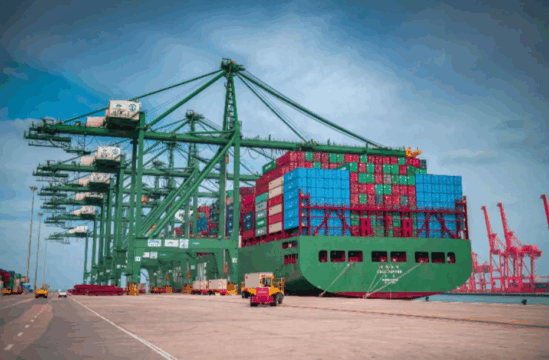
Saudi Arabia is home to some of the most advanced ports in the Middle East, such as King Abdullah Port, Jeddah Islamic Port, and King Abdulaziz Port in Dammam. These facilities are equipped with digital cargo management systems, automated cranes, and AI-based scheduling tools that streamline loading and unloading processes.
For global buyers, this infrastructure means reduced waiting times, better shipment handling, and more predictable delivery schedules. The ports are also strategically located to serve as gateways not just to Saudi Arabia, but to the wider GCC, Africa, and Asia.
E-Marketplaces and Smart Logistics Integration
One of the most significant developments in Saudi B2B trade (السوق الإلكتروني السعودي B2B) is the integration of smart logistics services directly into B2B e-Marketplaces. Buyers can now source products, negotiate prices, and arrange logistics from a single digital platform. This eliminates the need for multiple intermediaries and ensures that products move from the supplier to the buyer with full visibility and coordination.
The growing adoption of e-Marketplaces by Saudi manufacturers means that global buyers can access an extensive network of suppliers while enjoying seamless logistics support from order placement to final delivery.
Challenges and Considerations for International Buyers
While Saudi Arabia’s smart logistics infrastructure offers significant benefits, buyers should also be aware of potential challenges:
- Technology Integration – Ensure that your own systems are compatible with your Saudi supplier’s digital logistics tools.
- Data Security – With greater digitisation comes the need for robust cybersecurity measures to protect sensitive trade information.
- Cost-Benefit Analysis – While smart logistics reduces operational inefficiencies, some advanced services may come at a premium, making it important to evaluate overall trade costs.
- Regulatory Changes – Keep track of evolving Saudi trade and customs regulations to ensure smooth operations.
The Future of Smart Logistics in Saudi B2B Trade
Saudi Arabia is on track to become one of the most connected and technologically advanced logistics hubs in the world. Emerging trends such as AI-powered supply chain decision-making, autonomous long-haul transportation, and predictive analytics for global trade flows will further enhance efficiency.
For global buyers, this future promise even faster delivery, lower risks, and stronger supplier relationships. By understanding and leveraging Saudi Arabia’s smart logistics systems, buyers can position themselves for long-term competitive advantage in the global market.
Conclusion
The rise of smart logistics in Saudi Arabia’s B2B trade marks a turning point in how global supply chains operate in the region. For international buyers, it offers an opportunity to tap into a trade ecosystem that is efficient, transparent, and future-focused. With strong government backing, advanced infrastructure, and integration with B2B e-Marketplaces, Saudi Arabia is setting new benchmarks in trade facilitation. The businesses that recognise and adapt to these changes early will be best positioned to succeed in a rapidly evolving global marketplace.