

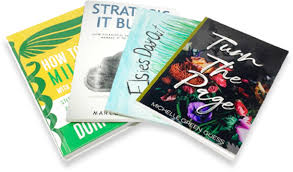
If you’re exploring soft cover book printing for your next publishing project, you’re already on the path most modern authors, businesses, and creators prefer. Soft cover printing has become the go-to choice because it strikes the perfect balance between cost-effectiveness, durability, visual appeal, and quick turnaround times. Whether you’re producing a novel, a company handbook, a product catalog, or a marketing booklet, soft cover printing gives you professional-grade results without the high price tag of hardcover formats.
In this guide, we’ll walk through what soft cover book printing is, why it’s such a popular option, the different customization choices you can make, and how to ensure your printed books look and feel premium.
What Is Soft Cover Book Printing?
Soft cover book printing, also known as perfect bound printing, uses a flexible yet durable cardstock cover that is wrapped around glued interior pages. Instead of the rigid board used in hardcovers, soft cover books rely on a thick coated or uncoated paper stock for the exterior, making them lighter, more flexible, and easier to carry.
This format is ideal for high-volume printing because it’s more affordable, faster to produce, and versatile in design options. From full-color covers to matte or gloss finishes, you can customize the look and feel based on the purpose of your book.
Why Soft Cover Books Are Popular Today
Soft cover printing remains the industry favorite for a simple reason—it offers premium aesthetics without premium costs. Modern printing technologies have improved dramatically, giving even small-run and on-demand soft cover books the same polished appearance as mass-market retail titles.
A few characteristics make soft cover printing stand out:
Affordability Without Compromise
Softcover books use fewer materials and require less labor, making them significantly more budget-friendly. Whether you’re a self-publishing author or a business preparing training manuals, this lets you scale without overspending.
Flexible and Lightweight
Readers love paperbacks because they’re easier to handle, travel with, and store. For companies, this means easier distribution for events, conferences, and product launches.
Quick Turnaround Times
Soft cover printing often requires less production time. This is especially beneficial for authors working with deadlines or companies preparing for last-minute events.
Professional, Customizable Aesthetic
From embossing and matte lamination to vibrant full-color covers, you can design a book that genuinely reflects your brand or creative identity.
Types of Books That Work Best With Soft Covers
While soft cover printing works for almost any style, some formats are particularly well-suited:
- Fiction and Non-fiction Novels – Cost-effective for mass readers.
- Poetry Collections – Lightweight and artistically flexible.
- Workbooks and Training Manuals – Ideal for corporate use.
- Children’s Books – Durable enough, with bright color printing.
- Catalogs and Product Guides – Great for events and marketing.
- Academic and Research Publications – Easier to distribute and replace.
Soft cover printing accommodates both full-color interiors and black-and-white layouts, giving you the freedom to design based on your audience.
Design & Customization Options
One of the biggest strengths of soft cover book printing is the ability to personalize nearly every component. A few of the customization options you’ll want to consider:
1. Cover Finish
The finish significantly influences the reading experience and visual appeal.
- Matte Lamination: Smooth, elegant, modern, fingerprint-resistant.
- Gloss Lamination: Shiny, vibrant, bold—great for high-color artwork.
- Soft-touch (Velvet): Premium texture, slightly more expensive but luxurious.
2. Paper Stock
Interior pages can be printed on coated or uncoated paper.
Coated paper works well for images and infographics, while uncoated delivers a natural reading feel ideal for novels and text-heavy books.
3. Binding Quality
Perfect bound is the most common. It’s strong, durable, and creates a clean, professional spine that can display your title and author name.
4. Trim Sizes
Some popular trim sizes include:
- 5″ x 8″ – Ideal for fiction
- 6″ x 9″ – Most common for non-fiction and self-help
- 8.5″ x 11″ – Manuals, workbooks, reports
You can choose custom sizing as well if your design requires it.
How to Prepare Your File for Soft Cover Printing
Your final print quality depends heavily on how well your files are prepared. Here are the essentials:
Print-Ready PDF
Your interior and cover files should be exported as high-resolution print-ready PDFs.
Bleed & Margins
Include at least 0.125 inches of bleed to avoid unwanted white edges.
Keep your text safely inside your margin lines.
High-Resolution Images
Use 300 dpi images for best results, especially for covers or photo-rich books.
Correct Color Mode
Always export files in CMYK, not RGB.
Spine Width Calculation
Spine thickness depends on the total number of pages and paper weight. Most printers provide a spine calculator to ensure accuracy.
Advantages of Soft Cover Printing for Businesses
Many companies underestimate how impactful printed materials can be during presentations, conferences, training sessions, or marketing events. Soft cover books help businesses stand out by providing a tangible, polished product.
Brand Authority
A professionally printed soft cover book instantly elevates your brand presence. Whether it’s a product guide or an onboarding manual, it communicates seriousness and care.
Easy Distribution
The lightweight construction and cost-effective printing make it easy to distribute hundreds of copies without logistical stress.
Custom Branding
From colors to layout to imagery, every element can reflect your brand identity, improving recognition and trust.
Choosing the Right Printer for Soft Cover Book Printing
Not all printers deliver the same quality, so choosing the right one matters. Here’s what you should focus on:
Experience With Book Printing
A printer specializing in books (not flyers or basic stationery) understands binding strength, spine design, and long-run consistency.
Paper & Lamination Options
More options mean better control over your final look.
Color Accuracy & Print Consistency
Ask for samples so you can inspect color quality, ink distribution, and the durability of the lamination.
Turnaround Time
If you’re on a schedule—like preparing for a launch or event—ensure the printer can meet your deadline without compromising quality.
Customer Support
A responsive team that guides you through the process can save you from costly mistakes.
Soft Cover vs. Hard Cover: Which Should You Choose?
While soft cover books are ideal for most projects, you might wonder when a hardcover is a better fit.
Choose soft cover when you want:
- Affordability
- Faster production
- Lightweight portability
- High-volume printing
Choose hard cover when you want:
- A premium, long-lasting gift edition
- Museum, gallery, or coffee table quality
- Added durability for heavy daily use
For most authors and businesses, soft cover printing is the smart, practical choice.
Final Thoughts
Soft cover book printing is one of the most efficient, cost-effective, and visually appealing ways to bring your ideas to life—whether you’re publishing your first novel, creating a corporate manual, or designing a marketing booklet. The flexibility in design, affordability in production, and professional finish make it the preferred choice for both individual creators and businesses.