

Static electricity in your house can be more than a hair-raising annoyance—it can damage electronics, spark discomfort, and even pose fire hazards. With colder months approaching (when dry air exacerbates static), homeowners are increasingly searching for solutions. In this guide, we’ll explore why your house feels like a science experiment and how to reclaim a static-free space.
Why Does Your House Have So Much Static Electricity?
Static builds up when dry air and certain materials (like synthetic fabrics, carpet, or plastic) create an imbalance of electric charges. Key culprits include:
- Low Humidity: Dry air is a conductor of static. Winter heating or arid climates reduce moisture, making your house a static hotspot.
- Synthetic Materials: Carpets, polyester curtains, and plastic furniture generate friction.
- Poor Grounding: Older homes or improperly grounded appliances can trap charges.
The Hidden Dangers of Static in Your Home
While a minor zap seems harmless, excessive static can:
- Damage Electronics: Sensitive devices like laptops or routers can short-circuit.
- Trigger Allergies: Static attracts dust and pet dander, worsening indoor air quality.
- Increase Fire Risks: Sparks near flammable aerosols or gases are dangerous
1. Boost Humidity Levels
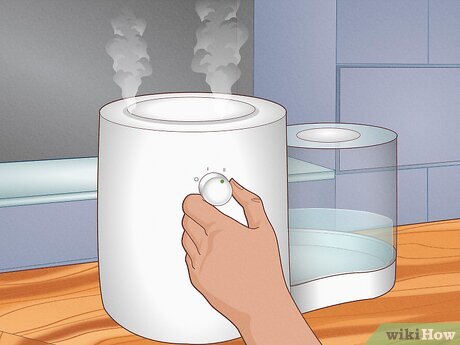
Invest in a humidifier to maintain 40–60% indoor humidity. Not only will this reduce static, but it’ll also ease dry skin and respiratory issues. For quick fixes, place bowls of water near vents or simmer pots of water on the stove.
2. Swap Synthetic Fabrics
Replace nylon or polyester rugs with natural fibers like wool or cotton. Opt for leather or fabric-covered furniture instead of plastic.
3. Use Anti-Static Sprays
Lightly spray carpets, upholstery, and clothing with DIY solutions (¼ cup fabric softener mixed with water) or commercial anti-static products.
4. Ground Yourself (and Your House)
Walk barefoot on hard floors to discharge built-up static. For appliances, ensure your house’s electrical system is properly grounded—consult an electrician if needed.
5. Fabric Softener to the Rescue
Add a quarter cup of liquid fabric softener or a few wool dryer balls to laundry loads. This reduces static cling in clothes and linens.
Prevention Tip: Rethink Your House’s Flooring
Carpeting is a major static culprit. If renovations are in your budget, switch to hardwood, tile, or anti-static vinyl. For renters, washable cotton rugs or anti-static mats under workspaces can help.
When to Call a Professional
If static persists despite DIY efforts, underlying electrical issues or insulation problems might be at play. An electrician can assess your house’s wiring, outlets, and grounding systems to eliminate risks.
Say Goodbye to Shocks
A static-free house isn’t just safer—it’s more comfortable. By balancing humidity, choosing natural materials, and embracing simple hacks, you’ll turn your home from a zap zone into a peaceful haven.
Pro Tip: Keep a small spray bottle of water and fabric softener handy during dry seasons for instant static relief on clothes and surfaces!
For more home improvement tips visit Homes zillow this website provide knowledge about home improvements,