

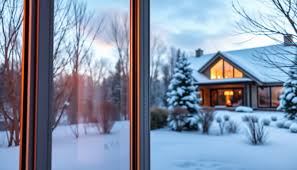
Living through a February cold snap in Toronto feels exactly like existing inside a commercial meat freezer. The wind howls, the snow piles up, and the cold tries its absolute hardest to infiltrate every single crack in the building envelope. When the mercury plummets into the negative double digits, securing a robust extreme weather window installation becomes less of an architectural luxury and much more of a vital survival tactic. Upgrading an aging home with a certified high-performance window installation effectively stops the dreaded indoor drafts and keeps the monthly heating bill from reaching astronomical heights. The barrier between a cozy living room and a brutal blizzard needs to be an impenetrable shield.
Attempting to heat a home with aging glass is exactly like trying to carry water in a colander. The furnace works relentlessly, but the expensive warm air immediately escapes through rotting wooden frames and warped seals. For a startling look at exactly how much money is evaporating into thin air, reviewing the 2026 Canadian residential energy loss report provides a serious reality check. Furthermore, climate analysts at Canadian Geographic constantly emphasize that building envelopes must adapt to these increasingly volatile temperature swings. Replacing flimsy barriers with heavy-duty fenestration is the only mathematical way to outsmart the deep freeze.
Anatomy of a Frost-Proof Fortress
Understanding why modern glass performs so beautifully requires taking a quick look at the hidden technology. Old single-pane glass is basically just a transparent sheet of ice waiting to happen. It offers zero resistance to thermal transfer. Modern units, however, are engineered like high-tech winter parkas for the house.
They feature three distinct layers of glass separated by invisible chambers filled with dense argon or krypton gas. Because these gases are significantly heavier than regular oxygen, they stubbornly refuse to let the cold travel through them. Imagine wearing three thin sweaters instead of one thick jacket; the trapped air between the layers is what actually provides the incredible warmth.
The Danger of the Weekend Warrior
Handling complex building materials during severe weather is absolutely not the time to test out newfound handyman skills. A poor window installation handled by an enthusiastic amateur will cause massive water leaks when the spring thaw finally arrives. Worse still, improper caulking allows condensation to freeze inside the frame, completely shattering the thermal seal.
Always hire specialized technicians who understand the local building codes and complex flashing techniques. These experts know exactly how different materials expand and contract in sub-zero temperatures. Vinyl, wood, and fiberglass all react differently to the deep freeze. Leaving the heavy lifting to the specialists guarantees that the warranty remains perfectly intact and the house stays perfectly dry.
Maintenance Maneuvers for the Deep Freeze
Even the most advanced glass requires a bit of strategic upkeep to perform flawlessly throughout the winter. Follow these highly specific steps to ensure maximum defense against the elements.
- Monitor Indoor Humidity: When it is brutally cold outside and boiling hot inside, condensation loves to gather on the glass. If left unchecked, this moisture turns into black mold on the interior sills. Keep the indoor humidity levels strictly below thirty percent during a deep freeze to prevent the glass from sweating.
- Inspect the Weatherstripping: Before the first major snowstorm, run a hand along the perimeter of the frames. If a tiny breeze tickles the fingers, the weatherstripping has failed. Have the specialized installation crew replace the rubber seals immediately to restore the airtight barrier.
- Clear the Weep Holes: Modern sliding frames have tiny drainage holes at the bottom track designed to let water escape. If dead leaves or summer dirt clog these holes, melting snow will pool up, freeze solid, and crack the track in half. Keep them entirely clear of debris year-round.
A home should act as a restorative sanctuary, completely unaffected by whatever meteorological chaos is happening outside. By treating the building envelope with immense respect and relying on serious engineering, outsmarting the Canadian winter becomes an absolute breeze. Stay warm, stay cozy, and let the storm rage safely on the other side of the glass.