

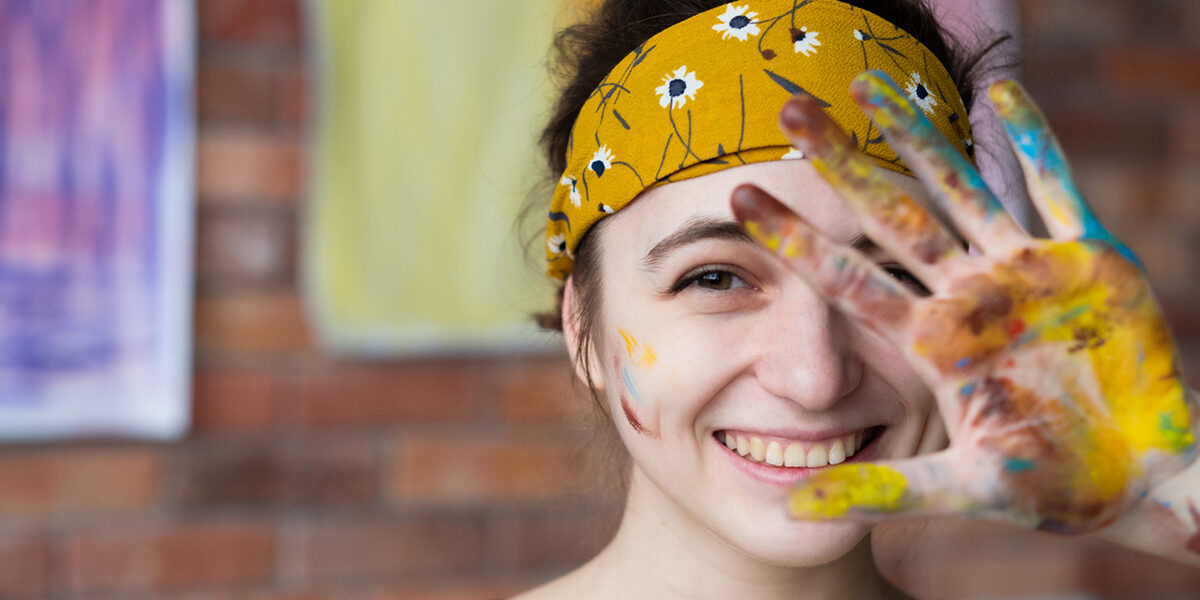
In the aftermath of an accident, the road to recovery can often seem daunting and fraught with challenges. Yet, as you embark on this journey, you may find solace and strength in an unexpected source: art therapy. Whether you are looking for a Glendale Accident Injury Lawyer, this article will explore the profound impact of art therapy on accident injury recovery, offering insights into how this creative process can foster resilience and well-being during your healing journey.
Understanding the Healing Power of Art Therapy
Exploring Emotional Expression
Art therapy provides individuals experiencing the aftermath of an accident a unique medium to express emotions that might be difficult to verbalize. Through painting, drawing, or sculpting, patients can externalize complex feelings such as anger, fear, and anxiety in a safe, non-judgmental space. This creative expression facilitates emotional release, which is crucial for mental well-being and aids recovery.
Enhancing Cognitive Function
Engaging in art therapy stimulates creativity and promotes cognitive rehabilitation. Focusing on artistic tasks enhances concentration, problem-solving skills, and memory. This cognitive engagement can be particularly beneficial in regaining mental faculties that may have been impaired due to accident-related trauma or stress.
Fostering Physical Rehabilitation
Art therapy often involves fine motor skills, which can be instrumental in physical recovery. Activities such as manipulating clay or brushes require coordination and dexterity, promoting physical rehabilitation. As patients gain confidence in their abilities, they often experience a sense of achievement that bolsters their recovery.
The Role of Creativity in Accident Injury Recovery
Unlocking Emotional Expression
Engaging in creative activities, such as painting or writing, can be a powerful medium for expressing emotions that might otherwise remain unvoiced. After an accident, you may experience a whirlwind of feelings: fear, anger, and frustration that can be challenging to articulate. Art offers a nonverbal outlet, enabling you to project these complex emotions onto a canvas or page. This process facilitates emotional release and can help alleviate stress, thereby paving the way for emotional healing.
Enhancing Cognitive Function
Creativity stimulates the brain, promoting cognitive functions critical to recovery. Engaging in tasks like sculpture or pottery requires concentration and problem-solving, activating neural pathways that enhance mental agility. As you create, your brain forms new connections, potentially enhancing memory, focus, and overall mental resilience, which are essential qualities during rehabilitation.
Boosting Physical Rehabilitation
Art therapy isn’t limited to enhancing mental recovery; it can also complement physical rehabilitation. Activities like drawing or modeling clay involve fine motor skills, which help improve hand-eye coordination and dexterity. Integrating artistic exercises with physical therapy can inadvertently enhance muscle strength and flexibility, contributing to a holistic recovery process.
Techniques Used in Art Therapy for Healing
Expressive Painting
Expressive painting enables you to convey complex emotions through the use of colors and strokes. This technique encourages freedom of expression, helping to release bottled-up feelings that may be difficult to articulate in words. By focusing on the act of painting rather than the outcome, you can safely explore emotions and develop a deeper understanding of your emotional landscape.
Sculpting and Clay Work
Working with clay is tactile and grounding, offering a physical connection to art-making. This technique helps enhance sensory awareness and improve fine motor skills, which can be particularly beneficial during physical rehabilitation. Sculpting encourages focus and concentration, fostering a meditative state that can reduce stress.
Collage Creation
Creating collages involves assembling images, textures, and materials to form a cohesive and visually appealing piece. This method can help you reconstruct fragmented thoughts or experiences, promoting cognitive processing and problem-solving skills. Collages offer a metaphorical way to piece together different aspects of your identity or experiences, enabling personal growth and healing.
Benefits of Art Therapy in Physical and Emotional Recovery
Enhancing Physical Rehabilitation
Art therapy is crucial in physical rehabilitation because it promotes fine motor skills and enhances coordination. Engaging in creative activities such as painting or sculpting can help improve dexterity and strength, facilitating a smoother recovery process. These activities provide a therapeutic outlet for patients to express themselves while working on their physical recovery goals.
Emotional Well-being and Stress Reduction
Creativity is a powerful tool for emotional healing, providing patients with a safe space to explore and express their feelings. Engaging in art therapy can significantly reduce stress and anxiety, promoting emotional resilience. By channeling emotions through art, individuals can process trauma, leading to improved mental health and a more positive outlook on their recovery journey.
Final Thoughts
Embracing the healing power of art therapy unlocks a profound avenue for recovery that transcends traditional methods. Whether you’re looking for a Glendale Accident Injury Lawyer, engaging with creativity cultivates a sanctuary for emotional expression and physical rehabilitation. Art therapy enables you to reconnect with your inner self and navigate the complex emotions that accompany accident injury recovery, whether through painting, sculpting, or drawing.