

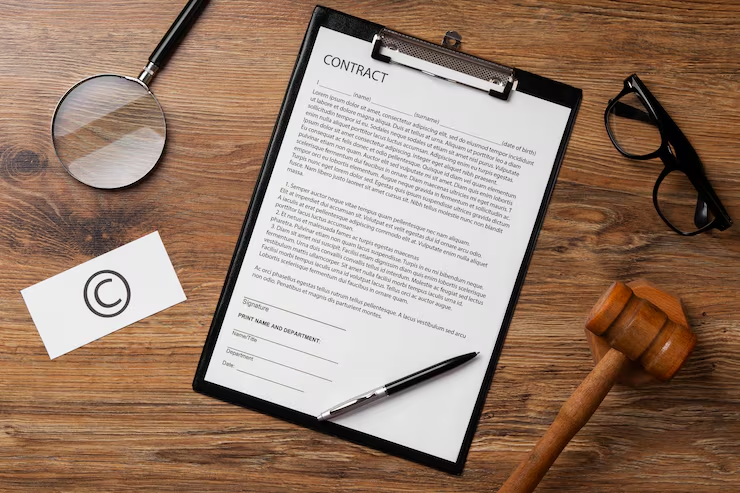
Starting and running a small business involves dozens of decisions every week — pricing, hiring, marketing, operations. Most small business owners are laser-focused on growth, which means legal paperwork often slides to the bottom of the list. But the businesses that face the most expensive surprises are rarely the ones that took on too much risk. They are the ones that operated for months — or years — without the right documents in place. A missed signature, a missing clause, or the wrong template can turn a routine business dispute into a prolonged legal problem. Getting your paperwork right from the beginning is one of the highest-return investments you can make.
What Are Legal Forms for Small Business?
Legal forms for small business are standardized, attorney-vetted documents that govern the operations, relationships, and compliance obligations of a business. They cover everything from how the business is structured to how employees are hired, how vendors are contracted, and how disputes are resolved.
Unlike generic document templates, purpose-built legal forms for small business are typically designed to reflect the most common legal requirements across all 50 states and can generally be customized to fit specific industries, relationships, and situations.
Which Legal Forms Does Every Small Business Typically Need?
The documents your business needs will vary by stage, industry, and structure — but most small businesses generally require the following:
- LLC Operating Agreement or Partnership Agreement — defines ownership structure, roles, and decision-making
- Independent Contractor Agreement — protects both parties when hiring freelancers or project-based workers
- Non-Disclosure Agreement (NDA) — secures confidential information shared with employees, vendors, or partners
- Service Agreement or Statement of Work — clearly defines deliverables, timelines, and payment terms for each client engagement
- Employment Offer Letter — outlines compensation, responsibilities, and conditions of employment
Not sure whether a new hire should be a contractor or an employee? This guide can help you make the right call before you sign anything.
Why Using the Right Legal Forms for Small Business Matters
More than half of all business agreements, according to World Commerce & Contracting, are drafted using the wrong template. The consequences range from unenforceable payment terms to intellectual property disputes that could have been avoided with a single clause.
Legal forms for small business that are attorney-vetted and purpose-built for your situation close the gaps that generic templates leave open — including state-specific language requirements, appropriate liability limitations, and dispute resolution mechanisms that hold up when tested.
The Most Common Legal Gaps Small Businesses Leave Open
Even diligent business owners often overlook these areas:
- No written agreement with a business partner, relying on a verbal understanding
- Using a personal NDA template for business relationships — missing commercial confidentiality provisions
- No termination clause in service agreements, leaving no clear exit path if a client relationship sours
- Missing intellectual property assignment language when hiring contractors to create business assets
Each of these gaps is straightforward to close — but only if the right document is in place before the situation arises.
Find the Right Legal Forms for Small Business at 360 Legal Forms
360 Legal Forms offers a full library of legal forms for small business owners across every stage of operations — from formation to employment to financial compliance. Each document is customizable, available across all 50 states, and generated through a guided questionnaire that requires no legal experience.
Explore all available legal documents and cover your business comprehensively — from the first hire to the first vendor agreement. Free to start.
Conclusion
The small businesses that grow the fastest are the ones that are built on the strongest foundations. Paperwork is never the exciting part of entrepreneurship — but it is the part that protects everything else. Take an hour today to review what your business has in place, identify the gaps, and fill them with documents that were designed to protect you. Your future self will thank you.