


In an age where flexibility and innovation are paramount, the way we think about our working environments is undergoing a profound transformation. Gone are the days when the traditional office space, with its rigid structures and monotonous cubicles, was the only option for professionals and entrepreneurs alike. Enter the world of shared workspaces—dynamic, creative environments designed to foster collaboration, growth, and flexibility.
These workspaces are not just about renting a desk or securing a place to plug in your laptop; they represent a paradigm shift in the way businesses and individuals approach productivity and work-life balance. As cities grow and the demand for more agile working options increases, shared work spaces have become the go-to solution for freelancers, small businesses, start-ups, and even large corporations. But what makes these spaces so irresistible, and why should you consider stepping away from the conventional office setup?
One of the most compelling benefits of shared workspaces is their inherent flexibility. Whether you’re an independent contractor, a growing start-up, or a remote employee in need of a professional space, these workspaces cater to a diverse range of needs. The beauty lies in the ability to scale up or down as your business evolves. Need a desk for a day? No problem. Need a private office for a month? You’ve got it. This flexibility allows companies to avoid the lengthy, binding contracts that often accompany traditional office leases. In fact, most shared spaces offer month-to-month arrangements, meaning businesses can test out different locations or scale their operations without the pressure of long-term commitments.
Along with flexibility, shared spaces provide an opportunity for individuals to access top-tier resources that would otherwise be out of reach. Think high-speed internet, state-of-the-art meeting rooms, high-end office furniture, and the kind of infrastructure that would cost a small fortune to set up on your own. For many start-ups or solopreneurs, the cost of creating such an environment from scratch is prohibitive, which is where these shared spaces truly shine. By pooling resources with other like-minded professionals, you gain access to these premium facilities at a fraction of the cost. This shared model is not just economically viable; it’s an investment in the long-term success of your business.
Another key selling point is the sense of community that these spaces provide. The days of isolated, soul-crushing office work are becoming a thing of the past. Instead, shared workspaces foster an environment where collaboration, networking, and learning happen organically. Whether it’s grabbing coffee with a fellow entrepreneur or attending one of the many events designed to connect like-minded professionals, the social aspect of these spaces creates opportunities for personal and professional growth. By surrounding yourself with driven, creative individuals, you open the door to endless possibilities—whether that’s forming a partnership, learning new skills, or simply gaining fresh insights into your own business.
In a traditional office environment, the culture is often dictated by the company. However, in shared workspaces, the culture is one of inclusivity, creativity, and openness. These spaces are built on the idea that the whole is greater than the sum of its parts. As people from different industries, backgrounds, and walks of life come together, there’s a natural exchange of ideas that leads to innovation. You may be working next to a graphic designer, a tech start-up founder, and a marketing expert, each of whom brings a unique perspective to the table. This melting pot of ideas breeds creativity in ways that a more traditional office environment simply can’t replicate.
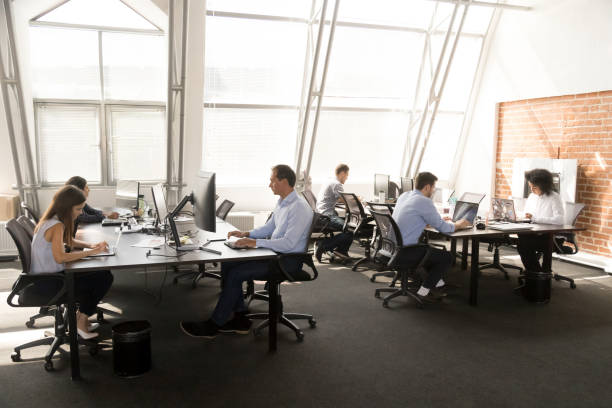
But it’s not just about the human connections; it’s also about the environment itself. Shared workspaces are often designed with the well-being of the individual in mind. Unlike the cold, impersonal vibe of many conventional offices, these spaces are often designed to inspire creativity and increase productivity. Natural light floods many of these open-plan spaces, and the interiors are often thoughtfully designed with modern aesthetics, ergonomic furniture, and a relaxed atmosphere. The result? A work environment that feels more like a place you want to be than a place you have to be. This shift in the way offices are designed goes a long way in improving mental health, fostering motivation, and reducing stress.
The impact of a well-designed workspace can be significant. Studies have shown that office environments directly influence both mood and productivity. Shared spaces are often designed with this in mind, offering a range of environments that cater to different needs. Whether you need a quiet, focused space to work on a big project, or a more collaborative area to brainstorm ideas with colleagues, shared workspaces are equipped to offer a variety of settings to suit every type of work. This adaptability ensures that you can stay in the zone, no matter what task you’re tackling.
Moreover, shared office spaces often come with an array of additional services that can make the working day smoother. From professional receptionists who answer calls and greet clients to mail handling and printing services, these spaces allow you to focus on what truly matters—growing your business—without being bogged down by administrative tasks. For freelancers and entrepreneurs, this level of support provides a professional front that enhances their credibility while freeing up time for more productive work.
Networking opportunities are also a major draw for many who utilise these spaces. In a traditional office, you may have the same colleagues day in and day out, limiting your exposure to fresh perspectives and opportunities. In a shared workspace, however, you’re continuously surrounded by professionals from different industries. This exposure not only broadens your understanding of the business world but also gives you the chance to tap into a wealth of expertise and knowledge. Many shared spaces also host events and workshops specifically designed to foster networking and collaboration. These events allow you to meet potential clients, partners, and collaborators, enabling you to expand your business network in ways that would be impossible in a more traditional work environment.
The environmental impact of shared workspaces is also worth noting. With the increasing awareness of sustainability and the need to reduce carbon footprints, shared office spaces offer a more eco-friendly alternative to individual office setups. Instead of each company operating their own private office space, the shared model reduces the overall energy consumption, waste production, and environmental impact of running an office. Many shared spaces also actively encourage sustainability through recycling programmes, green building certifications, and the use of eco-friendly materials in their designs.
Finally, let’s not forget the incredible level of convenience that shared workspaces offer. Located in prime areas across major cities, they are easily accessible by public transport, offering ease of travel and saving time that would otherwise be spent commuting. Whether you need to be in the heart of the city for client meetings or closer to home for a more relaxed workday, there’s a shared space nearby ready to meet your needs.
In conclusion, shared workspaces offer far more than just a place to work—they represent a new way of thinking about the professional experience. By combining flexibility, collaboration, and high-quality resources, these spaces provide a unique environment that fosters creativity, productivity, and growth. Whether you’re a freelancer, a growing start-up, or part of a larger corporation, choosing the right shared workspace can be a game-changer. It’s not just about finding a desk; it’s about becoming part of a thriving community that is changing the way we work.