

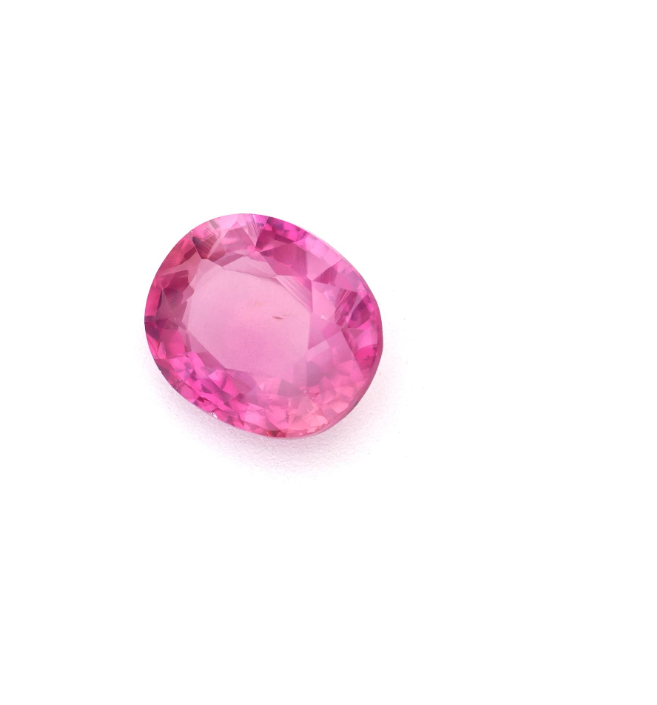
Ceylon sapphires are the world’s most coveted gemstones. Learn what sets them apart, how pricing works, and how to buy with confidence. Explore Rough Cut Ceylon’s collection today.
The Gemstone That Redefined What Blue Could Be
There is a reason the most famous sapphire in the world, the one now worn by the Princess of Wales, is a Ceylon sapphire. It is not simply about colour. It is about a quality of light, a depth of hue, and a provenance that no other origin on earth has consistently replicated across centuries.
Sri Lanka, known to the gem trade as Ceylon, has been producing sapphires of extraordinary quality for over two thousand years. Merchants, royalty, and collectors have sought these stones with purpose. That has not changed.
If you are considering a Ceylon sapphire for an engagement ring, an investment, or a personal collection, this guide will walk you through everything that matters before you spend a pound. Browse the certified Ceylon sapphire collection at Roughcut Ceylon Sapphire Co. to see current availability alongside this guide.
What Is a Ceylon Sapphire?
A Ceylon sapphire is a sapphire mined in Sri Lanka, the island nation formerly known as Ceylon under British colonial administration. The name has persisted in the gem trade long after independence because it carries an immediate association with quality that the modern country name has not yet replaced in market terminology.
Ceylon sapphires are composed of corundum, the same mineral family as rubies, with trace amounts of iron and titanium producing their characteristic blue. What distinguishes them from sapphires mined elsewhere is a combination of geological conditions unique to Sri Lanka’s gem gravels, particularly in the Ratnapura district, that produce a consistently fine, bright, vivid colour with excellent transparency.
How Does Ceylon Sapphire Differ from Other Sapphires?
The comparison that comes up most frequently is Ceylon sapphire vs sapphire from other origins such as Kashmir, Burma, or Madagascar.
Kashmir sapphires, considered by many to be the finest ever produced, are effectively no longer mined commercially. Ceylon sapphires are the closest available equivalent in terms of consistent quality and market reputation. Burmese sapphires tend toward a deeper, slightly more violet blue. Madagascar stones vary considerably in quality. Ceylon sapphires occupy a reliable middle ground of strong, bright, pure blue that has made them the dominant choice for fine jewellery globally.
Who Should Buy a Ceylon Sapphire?
Engagement Ring Buyers
The Ceylon sapphire engagement ring market has grown substantially since the global attention brought to Princess Diana’s iconic ring. Blue sapphires in particular have become a meaningful alternative to diamonds for couples seeking something with colour, history, and symbolism. Ceylon blue sapphires in the one to three carat range are the most popular choice for engagement settings.
Collectors and Investors
The certified fine gem market treats Ceylon sapphires from top-quality material as tangible assets. Stones with laboratory confirmation of Sri Lankan origin and unheated status consistently perform above market averages at auction. For collectors, a well-documented Ceylon sapphire is both beautiful and financially rational.
Custom Jewellery Designers
Designers working at the luxury end of the market rely on the consistency of Ceylon sapphires. The colour range available, from cornflower blue through vivid blue to pink and the exceptionally rare padparadscha, gives designers reliable access to stones that photograph well, cut beautifully, and satisfy discerning clients.
Key Benefits of Ceylon Sapphires
Colour Range and Consistency
Ceylon produces more colour varieties of sapphire than any other single origin. The Ceylon sapphire colour chart spans cornflower blue, royal blue, pink, yellow, white, and the orange-pink padparadscha. This breadth means buyers across different preferences can source from a single trusted origin.
Origin Premium and Resale Value
Sri Lankan origin adds a verifiable premium to any sapphire. Laboratory certificates confirming Ceylon provenance increase a stone’s market value and support stronger resale positions compared to stones of unknown or lower-prestige origins.
How to Choose the Right Ceylon Sapphire
Colour First, Always
Colour is the primary value driver for any coloured gemstone. For Ceylon blue sapphires, look for vivid to strong saturation with a pure blue hue. Avoid stones with grey or green modifiers, which reduce value significantly. For Ceylon sapphire pink varieties, a clean medium pink without a grey undertone is the target.
Certification Is Important
A laboratory report confirming Sri Lankan origin is essential for any serious purchase. GIA, Gübelin, and SSEF are the three most respected issuers. Without origin certification, you are buying a stone that could be from any producing country with no way to verify the claim.
Understand Price Per Carat
Ceylon sapphire price per carat varies enormously based on colour, clarity, treatment status, and weight. A heated one-carat Ceylon blue sapphire of good quality might fall between £500 and £2,000 per carat. A certified unheated stone of equivalent size and superior colour can reach multiples of that figure. Understanding what drives the number helps you compare accurately.
Consider the Setting Before You Buy the Stone.
A Ceylon sapphire diamond ring setting places specific demands on the stone: depth, proportions, and girdle thickness all affect how the stone sits in the mounting. If you are purchasing for a specific setting, confirm the stone dimensions before committing.
Common Mistakes Buyers Make
Confusing origin with treatment status is the most common. Ceylon origin and unheated status are two separate attributes. A Ceylon sapphire can be heated. An unheated sapphire can be from another origin. The combination of both, a certified unheated Ceylon sapphire, is the premium category.
Buying without a certificate is the costliest mistake. Colour alone cannot confirm origin. A sapphire from Madagascar can look identical to one from Sri Lanka to the naked eye. Only laboratory analysis with spectrographic testing can confirm provenance.
Over-prioritising size is another. A smaller, finely coloured, certified unheated Ceylon sapphire will hold more value and visual quality than a larger stone of mediocre colour and unknown treatment status.
How Roughcut Ceylon Sapphire Co. Approaches Ceylon Sapphires
Roughcut Ceylon Sapphire Co. operates with a direct-source model, selecting stones in Sri Lanka rather than purchasing through intermediary traders. This means origin documentation is traceable from the point of selection, not added retrospectively.
Every stone in the collection is individually certified, accurately photographed in natural light, and listed with honest grade descriptions. For buyers who have been frustrated by the gap between online gemstone photography and reality, this approach makes a practical difference.
Explore the full range of certified Ceylon sapphires and contact the team for any stone-specific enquiry, custom sourcing request, or certification detail.
FAQ Section
What is a Ceylon sapphire? A Ceylon sapphire is a sapphire mined in Sri Lanka, formerly known as Ceylon. The name is used across the global gem trade because Sri Lankan sapphires have maintained a reputation for exceptional colour and quality for over two thousand years. Ceylon origin is confirmed by gemological laboratory analysis, not simply declared by sellers.
How much does a Ceylon sapphire cost? Ceylon sapphire prices vary significantly based on colour, clarity, carat weight, and treatment status. A heated one-carat blue sapphire of good quality typically ranges from a few hundred to several thousand pounds per carat. Certified unheated stones, particularly in larger sizes with vivid colour, command substantially higher prices.
What colour is a Ceylon sapphire? Ceylon sapphires come in a wider colour range than most buyers realise. Blue is the most well-known, ranging from cornflower blue to deep royal blue. Sri Lanka also produces pink, yellow, white, and the exceptionally rare padparadscha sapphire, which displays a distinctive orange-pink hue unique to this origin.
Is a Ceylon sapphire the same as a Sri Lankan sapphire? Yes. Ceylon is the colonial-era name for Sri Lanka. In the gem trade, the two terms refer to the same origin. Ceylon is still preferred in formal gemological and auction contexts because of its long-established association with premium quality in the global market.
Are Ceylon sapphires a good investment? Certified Ceylon sapphires, particularly unheated stones from fine quality rough, have demonstrated consistent value retention and appreciation at auction. As naturally certified material becomes increasingly difficult to source, the investment case for documented Ceylon sapphires strengthens. Laboratory certification is essential for any investment-grade purchase.
What should I look for in a Ceylon sapphire engagement ring? Prioritise colour saturation, certification of Sri Lankan origin, and a cut that maximises the stone’s natural colour. For engagement settings, a minimum of one carat is typical for visual impact. Always request natural light photography before purchasing and confirm stone dimensions fit your intended setting.
How can I verify a sapphire is genuinely from Ceylon? Only a gemological laboratory with spectrographic analysis equipment can confirm Sri Lankan origin with certainty. Request a certificate from GIA, Gübelin, or SSEF before purchasing. Verbal confirmation from a seller, regardless of how reputable they appear, is not sufficient verification for a stone at this price point.