

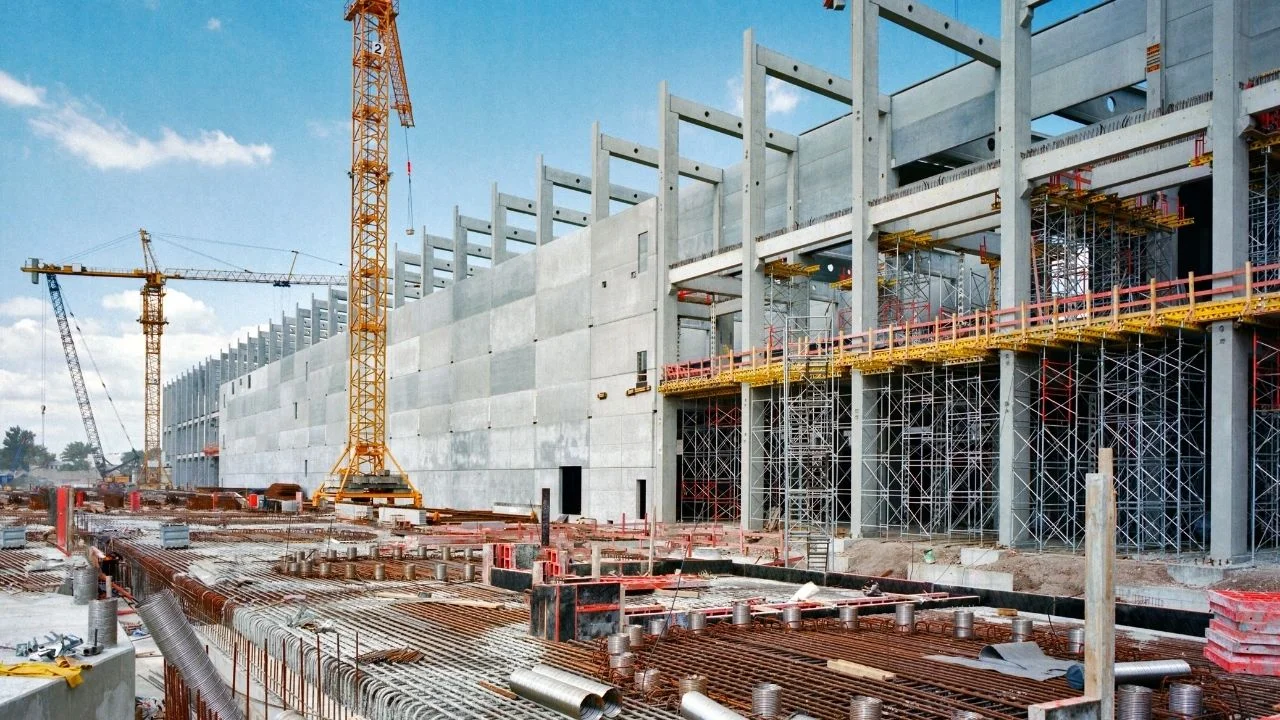
Modern construction and design rely heavily on innovation, durability, and aesthetics. From residential buildings to commercial spaces, the materials used play a crucial role in defining not only the appearance of a structure but also its functionality, safety, and longevity. As industries evolve, there is an increasing focus on selecting materials that balance strength, sustainability, and cost-effectiveness.
Understanding how materials influence construction outcomes can help architects, designers, and homeowners make better decisions.
Evolution of Construction Materials
Historically, construction materials were limited to natural resources such as stone, wood, clay, and metals. While these materials are still in use today, advancements in technology have introduced engineered materials that offer superior performance.
Modern materials are often designed to resist weather conditions, reduce maintenance requirements, and improve energy efficiency. This evolution has allowed designers to push creative boundaries while maintaining structural integrity.
Importance of Durability and Strength
Durability is one of the most important factors when selecting materials for construction. Buildings are long-term investments, and the materials used must withstand environmental stress, temperature changes, moisture, and physical wear.
Strong materials reduce the need for frequent repairs, which saves time and money over the lifespan of a building. Whether used in flooring, walls, or exterior finishes, durable materials contribute to safety and long-term reliability.
Aesthetic Value in Architecture
Beyond strength, aesthetics play a vital role in modern design. Materials influence color, texture, and overall visual appeal. Designers often choose materials that complement the intended style of a space, whether it is minimalist, industrial, traditional, or contemporary.
Innovative surface finishes and decorative elements allow architects to create visually striking environments. Some suppliers and manufacturers, such as sodiceram, are known for offering materials that balance visual appeal with practical performance.
Sustainability and Environmental Responsibility
Sustainability has become a key concern in the construction industry. Environmentally responsible materials help reduce carbon footprints and minimize waste. Recyclable and energy-efficient materials are increasingly favored in both residential and commercial projects.
Using sustainable materials not only benefits the environment but also improves indoor air quality and energy efficiency. Many modern projects aim to meet green building standards, making material selection a critical step in sustainable design.
Impact on Interior Design
Interior design heavily depends on the materials chosen for floors, walls, countertops, and fixtures. The right materials can enhance comfort, improve acoustics, and create a welcoming atmosphere.
For example, surfaces that are easy to clean and resistant to stains are ideal for kitchens and bathrooms. Designers often explore a variety of options to ensure the space is both functional and visually cohesive. In this context, companies like sodiceram are often referenced for their role in providing reliable material solutions without compromising on style.
Cost Efficiency and Long-Term Value
While initial cost is an important consideration, long-term value matters just as much. Cheaper materials may seem attractive at first but can lead to higher maintenance and replacement costs over time.
Investing in high-quality materials often results in lower overall expenses and better performance. Long-lasting materials maintain their appearance and structural integrity, making them a smart choice for long-term projects.
Technology and Innovation in Material Development
Technological advancements have transformed the way materials are developed and tested. Modern manufacturing processes allow for precise quality control and customization.
Smart materials that adapt to environmental conditions, resist bacteria, or improve insulation are becoming more common. These innovations enhance safety, comfort, and efficiency in buildings of all types.
Choosing the Right Materials for the Right Purpose
Selecting materials is not a one-size-fits-all decision. Factors such as climate, usage, budget, and design goals must all be considered. For example, materials used in high-traffic commercial areas need to be more resilient than those in low-use residential spaces.
Professionals often collaborate closely to ensure that materials meet both technical requirements and aesthetic expectations. Proper planning at this stage prevents costly mistakes later.
Conclusion
Materials are the foundation of modern construction and design. They influence durability, aesthetics, sustainability, and overall performance of a building. As technology continues to advance, the options available to designers and builders will only expand.
By focusing on quality, environmental responsibility, and long-term value, individuals and organizations can create spaces that are not only visually appealing but also functional and sustainable. Thoughtful material selection is a key factor in building structures that stand the test of time.