

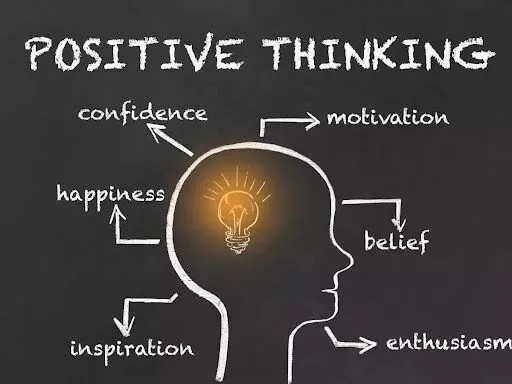
Positive thinking is not just a motivational phrase or a temporary state of mind. It is a powerful approach to life that can significantly influence mental health, productivity, relationships, and overall well-being. In a fast-paced world filled with challenges, stress, and uncertainty, cultivating a positive mindset can help individuals navigate difficulties with resilience and confidence.
This article explores what positive thinking truly means, why it matters, and how it can be practiced in daily life without ignoring real-world problems.
Understanding Positive Thinking
Positive thinking does not mean pretending that everything is perfect or ignoring hardships. Instead, it involves approaching situations with a constructive attitude and believing that challenges can be managed or overcome. It is about focusing on solutions rather than dwelling endlessly on problems.
People who think positively tend to interpret setbacks as temporary and manageable. This mindset allows them to learn from experiences instead of being overwhelmed by failure.
The Psychological Benefits of Positivity
A positive mindset has a strong connection with mental health. Studies in psychology suggest that individuals who maintain optimistic thinking patterns are less likely to experience severe anxiety and depression.
When people focus on hopeful outcomes, their brains release chemicals like dopamine and serotonin, which improve mood and emotional balance. Over time, this can lead to better stress management and increased emotional stability.
Some people turn to reading, meditation, or online wellness platforms such as goodmooddotcom com to explore strategies that support emotional balance and positive mental habits.
How Positive Thinking Affects Physical Health
Positive thinking does not only benefit the mind; it also impacts the body. Research has shown that optimistic individuals often have lower blood pressure, stronger immune systems, and better heart health.
When stress levels decrease, the body experiences less inflammation and hormonal imbalance. As a result, people who maintain a positive outlook may recover faster from illnesses and experience higher energy levels in daily life.
The Role of Positive Thinking in Personal Growth
Personal growth requires effort, patience, and persistence. A positive mindset encourages individuals to step out of their comfort zones and embrace learning opportunities. Instead of fearing mistakes, positive thinkers view them as valuable lessons.
This attitude is especially important in career development. Employees and entrepreneurs who think positively are more likely to stay motivated, handle criticism effectively, and adapt to change without losing confidence.
Strengthening Relationships Through Positivity
Human relationships thrive on understanding, empathy, and communication. Positive thinking plays a crucial role in building and maintaining strong connections with others.
When individuals approach conversations with openness and optimism, they are better listeners and problem-solvers. This reduces conflict and strengthens trust. Positivity also creates a supportive environment where people feel valued and respected.
Practical Ways to Develop Positive Thinking
Developing positive thinking is a gradual process that requires consistency. Here are some practical techniques that can help:
Practice Gratitude
Taking a few minutes each day to reflect on things you are grateful for can shift focus away from negativity. Gratitude trains the mind to notice positive aspects of life that are often overlooked.
Reframe Negative Thoughts
Instead of saying, “I can’t do this,” try reframing it as, “This is challenging, but I can learn.” This small change in language can significantly impact self-belief.
Surround Yourself with Positivity
Spending time with supportive and encouraging people can influence thought patterns. Reading uplifting content, listening to motivational talks, or exploring self-care resources like goodmooddotcom com can also reinforce a positive mindset.
Practice Mindfulness
Mindfulness helps individuals stay present rather than worrying about the future or regretting the past. Simple breathing exercises or short meditation sessions can improve awareness and emotional control.
Positive Thinking During Difficult Times
Life is unpredictable, and no one can avoid hardships entirely. Positive thinking becomes especially important during difficult periods. It helps people remain hopeful without denying reality.
By focusing on what can be controlled and accepting what cannot, individuals can reduce emotional suffering. This balance allows for healthier decision-making and emotional recovery over time.
Read More: Laaster.it.com
Conclusion
Positive thinking is not a magical solution, but it is a powerful tool that shapes how people experience life. It influences mental and physical health, personal growth, relationships, and overall happiness.
By consciously choosing constructive thoughts, practicing gratitude, and maintaining emotional awareness, anyone can gradually build a more positive outlook. Over time, this mindset can lead to a more fulfilling and balanced life, even in the face of challenges.