

Understanding the complexities of feline neurology can be daunting for pet owners. Cats, with their agile movements and enigmatic behaviors, can sometimes exhibit signs of distress that point towards neurological issues. Recognizing these early can make a significant difference in treatment outcomes.
Cats, like humans, have a complex nervous system that governs everything from movement to mood. When something goes awry, it can result in neurological problems in cats. These issues can manifest in various ways, such as changes in behavior, coordination, or physical abilities. Consulting a neurologist for cats is crucial when these symptoms arise, as they have the expertise to diagnose and treat such conditions effectively.
Common Neurological Issues in Cats
Neurological diseases in cats can stem from a variety of causes, including genetic factors, infections, trauma, or even tumors. Here are some common conditions:
- Epilepsy: Often characterized by recurrent seizures, epilepsy is a chronic condition that requires careful management. Seizures can vary in intensity and frequency, making it essential to have a precise diagnosis.
- Feline Infectious Peritonitis (FIP): A viral disease that affects the brain and spinal cord in some cases, leading to severe neurological symptoms.
- Vestibular Disease: This affects the cat’s balance and coordination, often leading to head tilts, circling, or falling over.
- Neuropathies: These are nerve disorders that can cause weakness, paralysis, or loss of sensation in certain parts of the body.
Signs to Watch For
Cats are masters at hiding discomfort, so it’s important to observe any subtle changes in their behavior or physical abilities. Here are signs that may indicate neurological disease:
- Uncharacteristic aggression or lethargy
- Loss of balance or coordination
- Head pressing against objects
- Seizures or twitching
- Sudden changes in vision or hearing
If you notice any of these symptoms, it’s imperative to consult a veterinary neurologist promptly.
The Role of a Veterinary Neurologist
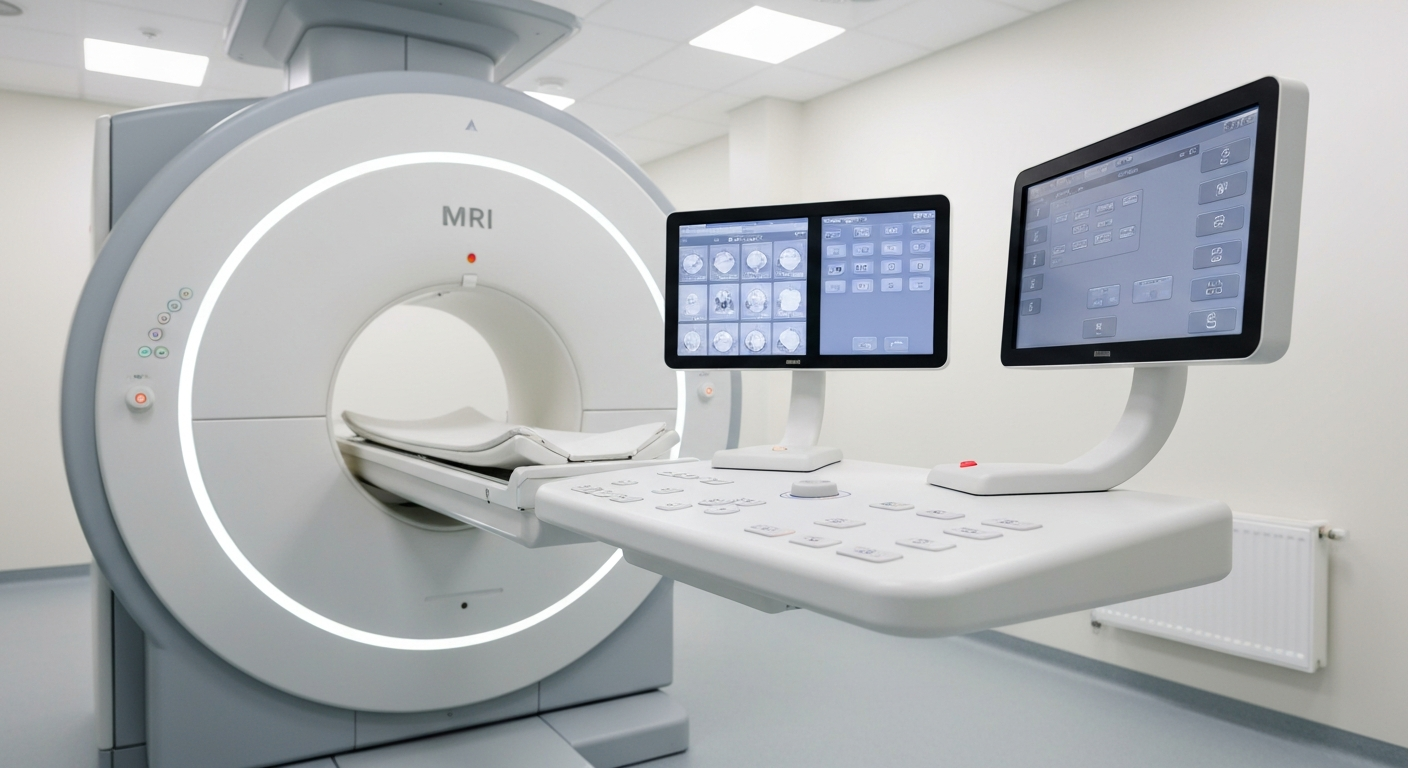
Veterinary neurologists specialize in diagnosing and treating neurological disorders in animals. They have advanced training and tools to perform comprehensive neurological exams and diagnostic tests, such as MRI and CT scans. Their expertise is invaluable in developing an effective treatment plan tailored to your cat’s specific needs.
Diagnostic Procedures
Determining the exact cause of a neurological problem often involves several diagnostic procedures:
- Neurological Exams: Assess the cat’s reflexes, coordination, and gait to pinpoint the affected area within the nervous system.
- Imaging Techniques: MRI and CT scans provide detailed images of the brain and spinal cord, helping identify abnormalities like tumors or inflammation.
- Electrodiagnostic Tests: These tests evaluate the electrical activity in the brain and nerves, useful in diagnosing conditions like epilepsy.
Treatment Options
Treatment varies depending on the diagnosis but may include:
- Medication: Used to manage symptoms such as seizures or pain. Anti-inflammatory drugs, anticonvulsants, or antibiotics might be prescribed.
- Surgery: In cases of tumors or severe injury, surgical intervention may be necessary to alleviate pressure on the nervous system.
- Rehabilitation Therapy: Physical therapy can help improve mobility and quality of life, especially in cases involving nerve or spinal damage.
Preventative Measures and Care
Preventative care plays a vital role in maintaining your cat’s neurological health. Regular check-ups, vaccinations, and a balanced diet are foundational. Additionally, ensuring your home is safe from hazards that could cause trauma is crucial.
Expert Insights
Dr. Jane Doe, a renowned veterinary neurologist, emphasizes the importance of early intervention. “The sooner we can diagnose and begin treatment, the better the prognosis for the cat. Many neurological conditions can be managed effectively with timely care,” she says.
Conclusion
Navigating the complexities of neurological diseases in cats can be challenging, but understanding the signs and knowing when to seek expert help is key. A veterinary neurologist offers the specialized care necessary to diagnose and treat these conditions, ensuring the best possible outcome for your feline friend. By staying informed and proactive, you can help your cat live a healthier, happier life.