

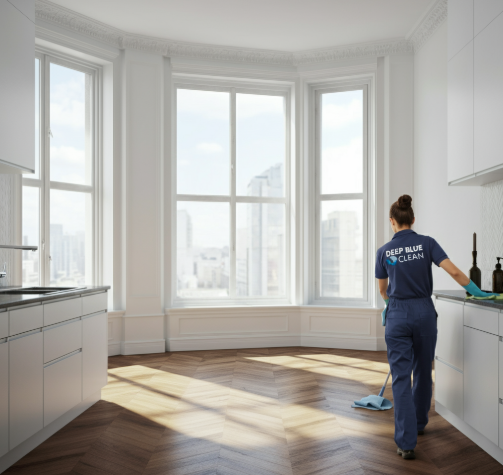
Moving out can be stressful. Between packing boxes and arranging logistics, cleaning often becomes an afterthought. However, whether you’re a renter trying to secure your deposit, a homeowner preparing to sell, or a property manager looking to maintain pristine homes, proper move-out cleaning is essential. This blog will guide you through everything you need to know about move-out or end-of-lease cleaning, why it matters, how to do it right, and how Deep Blue Clean can take the hassle off your hands. Why Move Out Cleaning is Essential Moving out is about leaving a good impression. Here's why cleaning is a non-negotiable: For Renters End-of-lease cleaning is crucial if you want your security deposit back. Many landlords or property managers deduct cleaning costs from deposits if the home isn’t left in its original condition. A spotless space signals respect for the property, increasing the likelihood of a smooth deposit return. For Homeowners Planning to sell your home? First impressions matter. A sparkling clean home not only attracts potential buyers but also increases the perceived value of your property. Even the smallest details, like gleaming windows or spotless floors, can make a big difference. For Property Managers Offering clean homes to new tenants boosts tenant satisfaction and sets high standards for property maintenance. Regular professional end-of-lease cleaning also reduces long-term wear, protecting your investment. What is Included in Move-Out Cleaning or End-of-Lease Cleaning? Move-out or end-of-lease cleaning covers deep cleaning tasks that go far beyond regular tidying up. While the specific checklist may vary, here are the key areas included: 1. Kitchen Cleaning Deep cleaning of appliances like the oven, refrigerator, and microwave Degreasing cabinets, drawers, countertops, and backsplash Scrubbing sinks and faucets to remove buildup Cleaning floors and ensuring no food residue is left behind 2. Bathroom Cleaning Scrubbing and disinfecting toilets, showers, and tubs Removing soap scum and hard water stains from tiles and glass Polishing mirrors and fixtures for a sparkling finish Wiping down cabinets and drawers 3. Living Room, Bedrooms, and Common Areas Dusting all surfaces, including shelves, furniture, and light fixtures Wiping down walls, baseboards, and window sills Cleaning windows for streak-free glass Vacuuming and mopping floors to remove dirt and grime 4. Hidden Areas Cleaning under and behind appliances Vacuuming air vents and removing cobwebs from corners Wiping down doors and doorknobs for added hygiene Can You Do It Yourself? While it’s entirely possible to do move-out cleaning yourself, consider these factors: Time Constraints: Cleaning a whole property is time-consuming, especially when paired with the stress of moving. Attention to Detail: DIY cleaning often misses hidden areas or stubborn stains that require professional tools or techniques. Physical Effort: Deep cleaning can be physically demanding, particularly for larger spaces. If you’re already exhausted from moving, it may be challenging to do the job thoroughly. Why You Should Hire Professionals Hiring a move-out cleaning service like Deep Blue Clean can save you time, stress, and effort while guaranteeing high-quality results. Here’s why it’s worth it: Expertise and Equipment Their employs experienced cleaners who know the ins and outs of end-of-lease cleaning. Using specialized tools and eco-friendly products, they tackle stubborn stains, grime, and hidden dirt with ease. Customized Checklists Different properties have different requirements. Professional work with you to create a tailored cleaning checklist, ensuring you meet landlord or buyer expectations. Time Efficiency Instead of spending hours scrubbing floors or removing grease, you can focus on settling into your new home. A professional cleaning team gets the job done swiftly and efficiently. Stress-Free Experience With professionals handling the cleaning, you don’t have to worry about missed spots or a call from your property manager complaining about cleanliness. Cost-Effectiveness While moving out already comes with expenses, professional cleaning can help secure your deposit or attract buyers, making it cost-effective in the long run. How to Choose the Right Move-Out Cleaning Service Selecting the right service provider is key to achieving the best results. Here’s a simple checklist for hiring a move-out cleaning service: Reputation: Look for services with positive online reviews or testimonials. Experience: Choose a provider familiar with end-of-lease cleaning expectations. Customizable Services: Ensure they offer flexible packages that meet your specific needs. Transparent Pricing: Get a clear quote before committing to avoid surprises. Eco-Friendly Practices: Check if the service uses non-toxic, eco-friendly cleaning products. With a reputation for excellence, Deep Blue Clean checks all these boxes, providing top-quality services tailored to your needs. DIY Move-Out Cleaning Tips If you prefer doing it yourself, here are some tips to keep in mind: Start Early Allocate enough time for a deep clean. Don’t leave it for moving day—start as soon as the house starts to empty out. Gather the Right Tools Equip yourself with essential supplies like scrub brushes, microfiber cloths, baking soda, vinegar, and all-purpose cleaners for tough jobs. Work Room-by-Room Focus on one room at a time to ensure nothing is overlooked. Use a checklist to stay organized. Pay Attention to Details Don’t forget hidden areas, such as inside cupboards, under furniture, and behind appliances. Inspect Before Leaving Walk through the space once you’re done to catch any missed spots. Move-Out Cleaning Done Right Move-out cleaning doesn’t have to be a hassle. With the right approach—or the right partner—it’s possible to leave your old property spotless and ready for its next chapter. Whether you're safeguarding your deposit, impressing potential buyers, or preparing a rental for new tenants, Deep Blue Clean ensures you can move on stress-free. Request a free quote today and discover the difference a professional touch can make!

Installing cabinets in your bathroom, kitchen, or laundry room improves how your space looks and makes it more functional. Whether you’re replacing your current ones or installing cabinetry in a new home, you can buy discount cabinets from a trusted supplier. Here are some tips for installing custom cabinetry:

Measure Properly

Before installing custom cabinets, gather accurate measurements of the wall’s length to make sure they will fit properly within the space. Some cabinetry goes to the ceiling, so be sure to record the full wall height. To prevent your discount cabinets from blocking windows or doors, measure the width, height, and distance from adjacent walls. Qualified installers also account for appliances, making sure cabinet doors open without obstruction. During this process, you can identify uneven walls or ceilings, sloped floors, or tight corners that may require shims, fillers, or design adjustments.

Check the Wall Condition

Inspecting the wall condition helps identify issues that could misalign your cabinets and affect their appearance. Mark any high or low spots to make corrections easier before installation. Check for water damage under windows and near plumbing, as these areas may not be strong enough to support cabinets. If the walls aren’t straight, use wood shims to help level the installation. Water-damaged sections should be repaired to provide a solid and secure mounting surface. If there are electrical panels, HVAC ducts, or light switches, mark their locations, as they may require cutouts or adjustments during cabinet installation.

Begin With Upper Cabinets

Starting with the upper cabinets during installation gives you more room to work, and it can help prevent damage to the base cabinets when lifting or positioning them. If your design includes a corner or pantry cabinet, you may install that first so the rest of the cabinets line up correctly. For added support, you can use a ledger board anchored to the wall studs to hold the cabinet’s weight. Designated cabinet screws may provide a stronger hold than regular drywall screws. After positioning each cabinet, use a level to check for alignment and prevent uneven gaps. Partnering with a professional installer can help you achieve a precise fit and proper anchoring.

Attach Cabinets Through the Frame

Attach the cabinets through the frame to promote proper alignment with the wall studs. This method may help prevent shifting over time, and it avoids putting unnecessary pressure on weaker sections, like the back panel or door hinges. It can also prevent sagging. This is because the weight is distributed evenly by securing the screws through the denser parts of the frame. To avoid damaging the frame, pre-drill holes in the thickest section to allow the screws to go in smoothly. After securing the cabinets, double-check that they are placed properly and reposition them if needed.

Find High-Quality Discount Cabinets

Skilled craftsmen can create custom cabinets tailored to your home’s layout. These cabinets come in a variety of materials, colors, and sizes to complement your kitchen or bathroom. Contact a reputable supplier today to browse their discount cabinets and learn more about their installation services.

Leave a Reply

This site uses Akismet to reduce spam. Learn how your comment data is processed.