

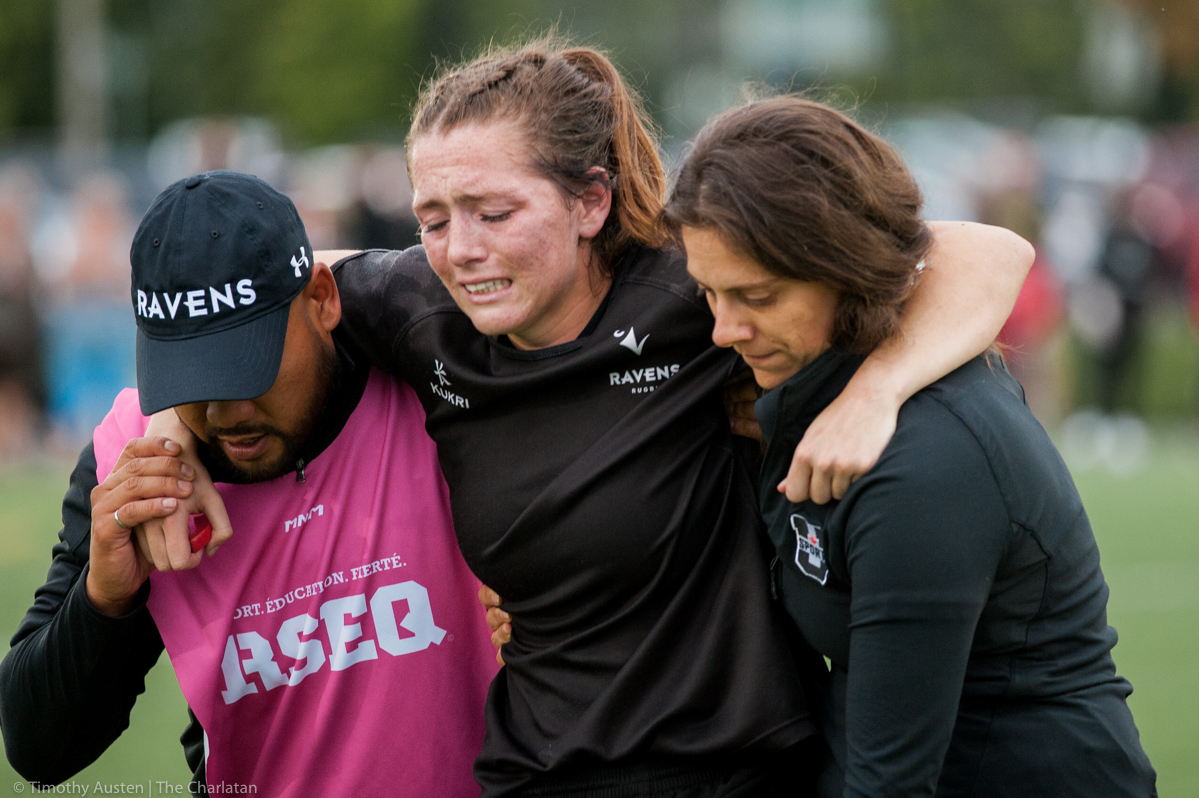
From Friday night football to middle school wrestling matches, student-athletes across Oklahoma put their bodies on the line every season. Most parents understand that sports come with risk—sprained ankles, bruises, and the occasional broken bone are often considered part of the game. But some injuries aren’t just part of the play. They’re preventable. And when negligence is involved, they become a legal issue, not just a bad day on the field.
Determining when a school sports injury crosses the line into liability takes more than sympathy—it takes a clear understanding of how coaches, administrators, and even equipment manufacturers may be responsible for what happened. In some cases, a so-called “accident” is anything but.
Types of Sports Injuries in Oklahoma Schools
Injuries are common in Oklahoma school sports, but not all are caused by fair play. Here are some of the most frequent—and sometimes preventable—injuries:
- Concussions and Traumatic Brain Injuries (TBIs)- Common in football, soccer, and cheerleading, these can lead to lasting cognitive issues if not properly treated.
- ACL and Ligament Tears– Often seen in basketball and soccer, these injuries usually require surgery and months of rehabilitation.
- Dislocated Joints and Broken Bones- Resulting from falls or collisions, these may indicate poor supervision or inadequate safety gear.
- Spinal Cord Injuries- Rare but serious, spinal injuries may stem from improper training in wrestling, football, or cheerleading.
- Repetitive-Use and Overuse Injuries- Stress fractures and tendinitis often develop when students train intensely without enough rest.
- Injuries from Unsafe Facilities or Equipment- Slippery floors, worn-out mats, or damaged gear can all raise concerns about school negligence.
When these injuries happen under questionable conditions, it’s worth investigating whether the school fulfilled its duty to protect student-athletes.
When Schools May Be Liable for Student-Athlete Injuries
Schools have a legal duty to provide reasonably safe environments for student-athletes. That includes properly maintaining fields and equipment, providing adequate training and supervision, and ensuring that coaches are qualified to recognize and respond to injury risks. When that duty is breached—through neglect, understaffing, or poor judgment—the school may be held responsible for the resulting harm.
This liability can also extend to outside vendors, transportation companies, or athletic associations involved in organizing events or supplying defective gear. When families are unsure where to turn, they often seek guidance from one of the leading personal injury law firms in the state, Oklahoma Injury Law Firm. Legal claims may be filed not just for the injury itself, but for how it was mishandled after it occurred.
When Informed Consent Doesn’t Equal a Free Pass
Many schools require parents and students to sign liability waivers or consent forms before participating in sports. These documents are designed to acknowledge that injuries are possible and limit legal exposure for the school. But they do not give schools a free pass to act recklessly or ignore safety standards.
In Oklahoma, these waivers can be challenged if the injury was caused by gross negligence, misconduct, or failure to follow proper procedures. If a coach sends an injured player back into a game or a facility fails to address known safety hazards, the existence of a signed waiver may not be enough to shield them from legal consequences.
The Role of Coaching Decisions in Preventable Injuries
Coaches are often the first line of defense in protecting student-athletes from harm. Yet, in the heat of competition, some make decisions that prioritize winning over safety, like ignoring signs of a concussion, pushing students to play through pain, or skipping warm-ups and conditioning protocols.
When poor coaching decisions lead to injury, schools may be held liable for negligent hiring, training, or supervision. Even volunteer coaches must follow safety protocols and act within reason. A momentary lapse in judgment could result in lifelong consequences for a young athlete.
The Impact of Team Culture on Player Safety
In some school sports programs, the pressure to “tough it out” or avoid looking weak can discourage young athletes from reporting injuries, especially concussions, sprains, or lingering pain. When coaches, teammates, or even parents reinforce a win-at-all-costs mindset, student safety takes a back seat.
This toxic team culture can lead to delayed treatment, worsened injuries, and long-term consequences. Schools have a responsibility to foster environments where athletes feel safe speaking up. When harmful cultural norms are ignored or encouraged by staff, it may support a claim of institutional negligence.
The Dangers of Outdated or Unsafe Equipment
Injuries caused by worn-out helmets, defective pads, or damaged turf are often dismissed as bad luck. But in reality, they may be the result of budget cuts, poor maintenance policies, or a failure to replace outdated gear. Schools and athletic programs have a duty to ensure that all equipment is regularly inspected and meets safety standards.
If a student is injured due to defective or improperly maintained equipment, the manufacturer, school district, or equipment supplier may be held liable. An investigation into maintenance logs and purchasing records can reveal whether a preventable hazard was ignored.
Emotional and Academic Fallout from Serious Injuries
The effects of a sports injury don’t end with the physical healing. Many student-athletes suffer anxiety, depression, or loss of identity after being sidelined, especially if they were competing at a high level or hoping for scholarships. Some may fall behind in school due to extended absences or medical recovery.
These non-economic damages matter. Personal injury claims can include compensation for emotional distress, therapy costs, and diminished educational opportunities. The law recognizes that the consequences of a preventable injury go far beyond the playing field.
What Families Can Do After a Serious School Sports Injury
If your child has suffered a serious injury during school sports, start by documenting everything: incident reports, medical evaluations, communication with coaches, and any waivers signed. Request a copy of the school’s injury protocols and ask whether those steps were followed.
Then, consult an experienced personal injury attorney. A legal team can launch a thorough investigation, identify potential negligence, and help you understand your rights. Seeking accountability not only helps your family—it also protects other students from suffering similar harm in the future.