

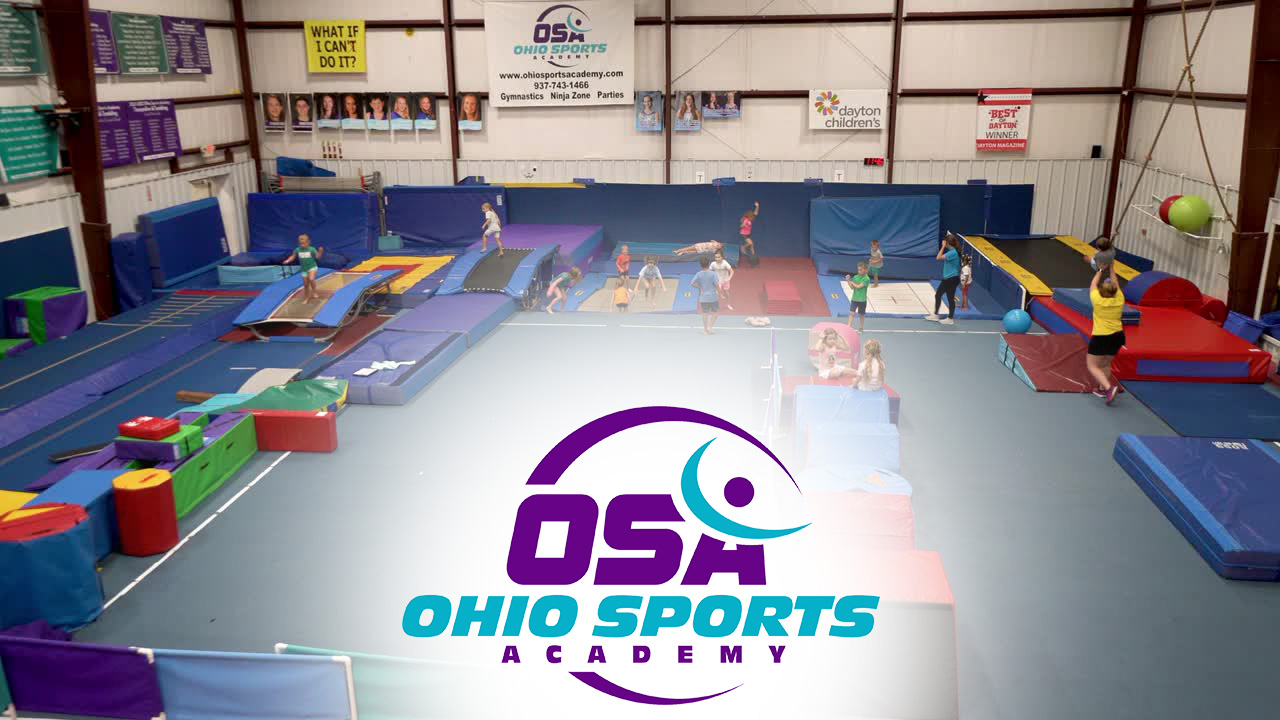
As the Trifiro family, we have lived through countless back-to-school seasons. We know the drill: the shift from the lazy, hazy days of summer to the sudden, structured rhythm of the school year is a massive adjustment for everyone. One minute, you are worrying about pool hours and sunscreen; the next, you are drowning in permission slips, packing lunches, and trying to remember if it is a “Day A” or “Day B” schedule. We know firsthand that this time of year brings a unique mix of excitement and anxiety. Parents are looking for ways to help their children settle into a new routine, while kids are grappling with the pressure of new teachers, new classmates, and higher academic expectations.
When we opened Ohio Sports Academy, we didn’t just want to build a gym; we wanted to build a haven that supports families through these exact transitions. We have seen year after year how structured physical activity acts as a stabilizer during this chaotic time. While it might seem counterintuitive to add more to your schedule when you are already busy, we firmly believe that a consistent movement program is one of the most effective tools for ensuring a successful school year. It is not just about learning to flip or climb; it is about regulating energy, building confidence, and creating a safe space where kids can just be kids.
Here are our top 7 reasons why incorporating gymnastics and movement classes into your fall schedule is the ultimate strategy for success, straight from our family to yours.
1. Re-establishing Routine and Structure After Summer Freedom
Summer is magical because of its lack of structure. Late bedtimes, flexible meals, and endless free play are what make childhood memories. However, that lack of structure can make the sudden rigidity of a school day feel jarring. We often see children struggle with the abrupt change from “do whatever you want” to “sit still and listen for six hours.”
This is where we step in. Our classes provide a critical bridge between the freedom of play and the discipline of learning. When a student walks through our doors, they step into a world of predictable structure that we have carefully designed. They know they will start with a warm-up, move to specific stations, listen to their coach, and then have a cool-down or game. This rhythm mimics the structure of a classroom but in a much more active and engaging way. By attending class at the same time every week, children regain a sense of temporal stability. They begin to internalize that Tuesday nights are for Ninja Zone or Thursday afternoons are for Aerial Arts. We have noticed that this predictability lowers anxiety and helps their internal clocks adjust to a scheduled life again, making those early morning school alarms a little less painful for everyone involved.
2. Channeling “Classroom Energy” into Productive Movement
We have all been there—the dreaded email or note from a teacher saying, “Your child had a hard time sitting still today.” After months of running wild in the backyard, asking a child to sit at a desk for the majority of their day is a big ask. Their bodies are buzzing with potential energy that needs an outlet. If that energy isn’t released, it often manifests as fidgeting, distraction, or behavioral issues in the classroom.
We provide the perfect outlet for that pent-up kinetic energy. Our Ninja Zone program, for instance, is specifically designed to let kids burn energy in a high-intensity, focused way. Instead of being told “don’t run” or “sit down,” we encourage them to run up the warp wall, vault over obstacles, and kick through the air. This “controlled chaos” allows them to empty their tank in a safe environment. Research consistently shows that children who engage in vigorous physical activity have better focus and concentration when they return to academic tasks. Think of our gym as the release valve that keeps the pressure manageable, allowing your child to return to school the next day feeling calmer and more ready to learn.
3. The Brain-Body Connection: Smarter Movement, Smarter Kids
As owners, we love to “geek out” on the science behind what we do. There is a fascinating link between physical movement and cognitive development. It is not just about muscles; it is about neurons. Gymnastics is one of the few sports that requires the body to move in all planes of motion—forward, backward, sideways, and rotational. This type of complex movement stimulates the vestibular system and encourages cross-lateral activity, which is when the left and right sides of the brain communicate to coordinate the left and right sides of the body.
Why does this matter for school? Because that same cross-lateral communication is required for reading and writing. When a preschooler practices a bear crawl or a cross-body stretch in our “Cubs” or “Raccoons” classes, they are reinforcing the neural pathways that help with literacy and problem-solving. By navigating an obstacle course, they are developing spatial awareness and sequencing skills—”first I climb the ladder, then I swing, then I land.” This ability to sequence physical actions translates directly to sequencing thoughts for a story or following multi-step math problems. When you sign your child up for a movement class with us, you are essentially giving their brain a workout that complements their academic education.
4. Building Social Confidence in a Low-Stakes Environment
We know that school social dynamics can be tough. Navigating cliques, finding a seat at lunch, and working on group projects can be sources of significant stress for students. The fear of social rejection or judgment is real. At Ohio Sports Academy, we deliberately cultivate a culture that is different from the typical schoolyard. Our gym is a “competition-optional” zone for many of our recreational classes, where the focus is on personal bests rather than beating the person next to you.
In our classes, children interact with peers who might not go to their same school, giving them a chance to reinvent themselves and make fresh starts. They bond over shared challenges—like finally getting that back handspring or conquering the silks. Because our coach-to-student ratios are low, we can foster an environment of encouragement. When a child sees their peers cheering for them as they ring the celebration bell, it builds a deep sense of belonging. This social confidence creates a suit of armor that they wear back to school. If they can feel brave and supported here with us, they are more likely to raise their hand in class, volunteer for a project, or introduce themselves to a new student in the cafeteria.
5. A Safe Space to Fail and Try Again
One of the most valuable lessons we want to teach every child who walks through our doors is that failure is not the end of the road; it is just part of the process. In a high-pressure academic environment, getting a “bad grade” can feel devastating. Students often internalize academic struggles as personal shortcomings. We offer a tangible, physical counter-narrative to perfectionism.
In gymnastics, tumbling, and ninja training, falling is literally part of the sport. You try a skill, you fall, you get up, and you try again. A child might trip on the tumble track or miss the bar ten times before they catch it. Our coaches are trained to reframe these moments not as failures, but as necessary steps toward success. We teach them to be brave, to assess what went wrong, and to make a correction. This resilience—the “grit” to keep going when things are hard—is a transferable skill. When that same child encounters a difficult math problem or a complex history essay, they have the muscle memory of resilience to fall back on. They know that they can struggle and still eventually succeed because they have done it on the mats.
6. Tailored Programs for Every Age and Developmental Stage
As a family, we understand that a three-year-old needs something very different from a thirteen-year-old. That is why we have segmented our curriculum to meet children exactly where they are developmentally. We want to ensure that every child feels comfortable and challenged at the appropriate level.
For our youngest members, our preschool programs are designed to be an enchanting introduction to structure. We use themes, colors, and imagination to teach motor skills. For parents searching for the best dayton gymnastics options for their little ones, our specific Pre-K curriculum stands out because it blends play with purpose. We focus on listening skills, waiting for turns, and following multi-step directions—all critical skills for kindergarten readiness.
As children grow, they can graduate into our Tumbling classes, where precision and technique take center stage, or our Aerial Arts program, which offers a unique blend of dance and strength training on silks and hoops. We even offer Adaptive Gymnastics for children with different sensory or physical needs, ensuring that every child has a place to shine. This variety ensures that as your child’s interests and abilities evolve, they never outgrow the supportive community we have built. They can pivot from gymnastics to ninja to trampoline without ever leaving the familiar safety of our facility.
7. A Partner for Busy Parents (From Parents Who Get It)
We are realistic about the demands on modern parents because we are modern parents. We know that you are juggling work, school pickups, homework, and dinner prep. We have designed our business to be as parent-friendly as possible because we believe we are on the same team. We are not just a service provider; we are your partners in raising your kids.
This philosophy is reflected in our logistics. We offer a flexible make-up policy because we know that flu season happens, family emergencies pop up, and sometimes you just need a night off. We maintain an impeccably clean facility—using daily disinfecting fogs—because the last thing you need during the school year is another germ exposure. Our office staff is friendly, accessible, and ready to help you navigate schedule changes as sports practices and tutoring sessions shift.
Because we are family-owned, the Trifiro family has poured our hearts into creating a space that feels like a community hub. When you walk in, you are not just an account number; you are a neighbor. We celebrate your child’s birthdays, we ask about their school plays, and we genuinely care about their well-being. This sense of partnership alleviates the mental load for parents. You can drop your child off knowing they are in a safe, professional, and nurturing environment, giving you a precious hour to catch up on emails, run an errand, or just breathe.
Why This School Year is the Perfect Time to Join Us
It is easy to say, “We’ll start when things settle down,” but if you are anything like us, you know the truth: life rarely settles down on its own. We have to create the stability we crave. By anchoring your week with a class at Ohio Sports Academy, you are planting a flag in the ground for your child’s well-being. You are prioritizing their physical health, their confidence, and their joy.
As the school year ramps up, the pressure will inevitably mount. There will be homework struggles, friendship drama, and tired mornings. Having a “third place”—somewhere that is not home and not school—is vital for a child’s mental health. We are honored to be that place for hundreds of families in Springboro and the surrounding areas. We want to be the place where your kids can leave the weight of the backpack at the door and just fly.
Whether you are looking for a high-energy Ninja class to burn off the after-school sillies, a disciplined tumbling class to help with cheer tryouts, or a gentle preschool class to build those foundational motor skills, we have a spot on the roster for you. We are more than just a gymnastics school; we are a launchpad for life’s adventures.
The back-to-school season is a new beginning. It is the perfect time to set new goals, try new things, and build habits that will pay dividends for a lifetime. We invite you to come see the difference a supportive, fun, and professional environment can make for your family. Let’s make this school year the best one yet—one flip, jump, and climb at a time.