

Have you ever wondered why some materials simply outlast others, even in the harshest conditions? What makes certain insulation products perform brilliantly for decades while others fall apart within a few years? And why are so many Australian builders, manufacturers, and homeowners turning to high density closed cell foam for their most demanding projects?
If you’re exploring options for insulation, cushioning, or structural support, you’ve likely come across this remarkable material. High density closed cell foam has quietly become a go-to choice across multiple industries, from construction to marine applications. Its unique combination of durability, moisture resistance, and thermal performance makes it stand out from the crowd.
In this guide, we’ll break down everything you need to know about high density closed cell foam. You’ll discover what sets it apart from other foam types, explore its key benefits, and learn where it works best. By the end, you’ll have a clear picture of whether this material is the right fit for your next project. Let’s get stuck into it.
What Is High Density Closed Cell Foam?
Understanding Foam Density and Cell Structure
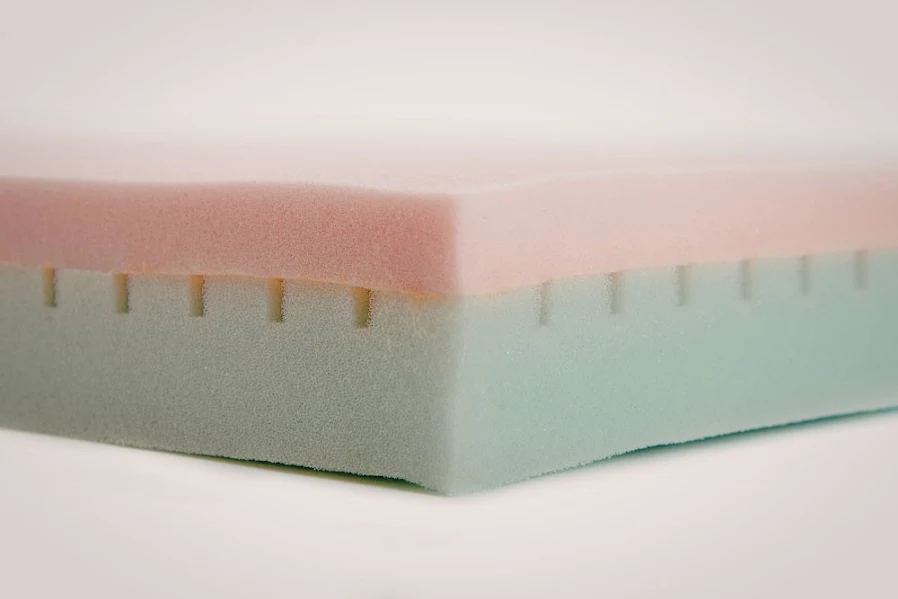
Foam density refers to how much material is packed into a given volume. Higher density foams contain more material per cubic metre, making them firmer and more resilient. Think of it like comparing a dense fruitcake to a light sponge cake same size, vastly different weights and textures.
The cell structure is equally important. In closed cell foam, each tiny bubble is completely sealed off from its neighbours. This creates a rigid, interconnected network that traps air (or other gases) within individual cells. The result is a material that’s remarkably strong and resistant to compression.
How Closed Cell Foam Differs from Open Cell Foam
Open cell foam features interconnected cells that allow air and moisture to pass through freely. While this makes it softer and more flexible, it also means it absorbs water like a sponge. Not ideal for wet environments.
Closed cell foam, on the other hand, keeps everything out. Its sealed structure acts as a barrier against moisture, air, and even some chemicals. This fundamental difference explains why closed cell foam excels in applications where durability and protection matter most.
What Are the Main Benefits of Closed Cell Foam?
Superior Durability and Longevity
One of the standout advantages of high density closed cell foam is its exceptional durability. The dense, sealed structure resists compression and maintains its shape even under constant stress. Unlike cheaper alternatives that flatten over time, this material keeps performing year after year.
This longevity translates to real cost savings. You won’t need to replace worn-out materials nearly as often, reducing both maintenance expenses and hassle. For projects where reliability is non-negotiable, this foam delivers.
Exceptional Moisture and Water Resistance
Water damage causes headaches across countless industries. Fortunately, closed cell foam’s sealed structure creates an effective moisture barrier. Water simply can’t penetrate those individual cells, making this material perfect for humid or wet environments.
In Australian climates where humidity, rain, and coastal conditions are common this water resistance proves invaluable. Whether you’re insulating a bathroom, building a boat, or creating outdoor furniture, you can trust this foam to stay dry and functional.
Outstanding Thermal Insulation Properties
Closed cell foam excels at keeping heat where you want it. Those sealed air pockets act as tiny insulation barriers, dramatically slowing heat transfer. This means cooler summers and warmer winters inside your home or building.
The thermal performance of high density options is particularly impressive. With higher R-values than many competing materials, this foam helps slash energy bills while maintaining comfortable indoor temperatures throughout the year.
High Load-Bearing Capacity and Structural Support
Need something that can handle serious weight? High density closed cell foam delivers impressive load-bearing capacity. Its rigid structure distributes pressure evenly, preventing the crushing and deformation that plague softer materials.
This makes it ideal for applications requiring structural support. From flooring underlays to equipment packaging, this foam provides reliable cushioning without sacrificing firmness. It’s the perfect balance of protection and performance.
Is High Density Foam Better Than Low Density Foam?
Comparing Performance and Lifespan
The short answer? It depends on your needs. High density foam consistently outperforms low density options in durability, compression resistance, and longevity. It maintains its shape under pressure and typically lasts significantly longer.
Low density foam has its place, particularly where softness and flexibility matter more than structural integrity. However, for demanding applications, high density foam’s superior performance usually justifies the additional investment.
When to Choose High Density Over Low Density
opt for high density closed cell foam when durability is paramount. Heavy-use furniture, construction insulation, marine applications, and industrial cushioning all benefit from its robust characteristics.
Choose low density alternatives for temporary applications, lightweight packaging, or situations where softness takes priority. Understanding your specific requirements helps you make the smartest choice for your budget and project goals.
Common Applications of High Density Closed Cell Foam
Building and Construction Insulation
Australian builders increasingly rely on closed cell foam for insulation projects. Its excellent thermal properties, moisture resistance, and durability make it ideal for walls, roofs, and foundations. Plus, it adds structural rigidity to building assemblies.
Marine and Outdoor Equipment
Boats, kayaks, and outdoor gear demand materials that shrug off water exposure. Closed cell foam’s moisture-proof nature makes it perfect for flotation devices, dock bumpers, and marine cushioning. It won’t absorb water or develop mould, even after years of exposure.
Automotive and Transport Industries
From vehicle seating to protective packaging, the automotive sector values this foam’s combination of cushioning and durability. It absorbs impacts, resists vibration, and maintains performance throughout a vehicle’s lifespan.
Furniture and Cushioning Solutions
Quality furniture manufacturers use high density closed cell foam for seat cushions, mattresses, and padding. It provides comfortable support without sagging or flattening over time, keeping furniture looking and feeling great for years.
How Long Does Closed Cell Foam Last?
Factors That Affect Foam Longevity
Several variables influence how long your foam will perform. UV exposure, temperature extremes, mechanical stress, and chemical contact all play roles. Quality also matters premium foams from reputable suppliers typically outlast budget alternatives.
Proper installation significantly impacts lifespan too. Foam that’s correctly specified and installed for its intended application will perform better and longer than material used inappropriately.
Maintenance Tips for Extended Lifespan
Keep your foam performing by minimising unnecessary stress and exposure. Protect outdoor applications from direct sunlight where possible, and clean surfaces gently without harsh chemicals.
Regular inspections help catch problems early. Look for signs of compression, cracking, or moisture intrusion, and address issues promptly before they worsen.
What Is the R-Value of Closed Cell Foam Insulation?
Understanding R-Value and Energy Efficiency
R-value measures a material’s thermal resistance its ability to slow heat transfer. Higher R-values mean better insulation performance. Closed cell foam typically achieves R-values between 6 and 7 per inch, significantly outperforming many traditional insulation materials.
This superior thermal performance translates directly to energy efficiency. Better insulation means your heating and cooling systems work less, reducing energy consumption and costs.
Cost Savings Over Time
While high density closed cell foam costs more upfront than some alternatives, its superior R-value delivers ongoing savings. Lower energy bills accumulate year after year, often offsetting the initial investment within several years.
For Australian homes facing hot summers and cool winters, this energy efficiency proves especially valuable. The long-term financial benefits make closed cell foam insulation a smart investment.
Is Closed Cell Foam Worth the Investment?
Upfront Costs vs Long-Term Value
Yes, high density closed cell foam typically costs more than basic alternatives. However, focusing solely on purchase price misses the bigger picture. When you factor in longevity, performance, and reduced maintenance, the total cost of ownership often favours quality foam.
Consider how long you need the material to last and what failures might cost. In most demanding applications, investing in quality foam proves more economical over time.
Return on Investment for Australian Homes and Businesses
Australian conditions intense sun, humidity, temperature swings test materials thoroughly. High density closed cell foam handles these challenges brilliantly, delivering reliable performance where inferior materials fail.
For homeowners, improved comfort and lower energy bills provide tangible returns. For businesses, reduced downtime and maintenance costs boost the bottom line. Either way, the investment typically pays dividends.
Choosing the Right High Density Closed Cell Foam for Your Project
Key Specifications to Consider
Start by identifying your primary requirements. Consider factors like required density, thickness, temperature range, and any chemical exposure. Different formulations suit different applications, so matching specifications to needs is essential.
Don’t forget practical considerations like available sizes, cutting requirements, and installation methods. The right foam for your project should tick all the technical boxes while remaining practical to work with.
Questions to Ask Your Supplier
Before purchasing, ask your supplier about material certifications, expected lifespan, and suitability for your specific application. Reputable suppliers welcome these questions and provide honest guidance.
Request samples where possible, and ask about warranty coverage. A supplier confident in their product’s quality will stand behind it with meaningful guarantees.
Making a Smart, Long-Lasting Choice
High density closed cell foam offers an impressive combination of benefits that few materials can match. From exceptional durability and moisture resistance to outstanding thermal insulation and structural support, this versatile material delivers reliable performance across countless applications.
Whether you’re insulating your home, building marine equipment, or manufacturing furniture, choosing quality foam pays dividends. The superior lifespan, reduced maintenance requirements, and energy savings typically outweigh higher initial costs, making it a genuinely cost-effective choice over time.
So, is high density closed cell foam right for your project? If you value durability, performance, and long-term results, the answer is almost certainly yes. Take time to research your options, ask the right questions, and invest in quality materials that won’t let you down. Your future self will thank you for making a smart, lasting choice.