

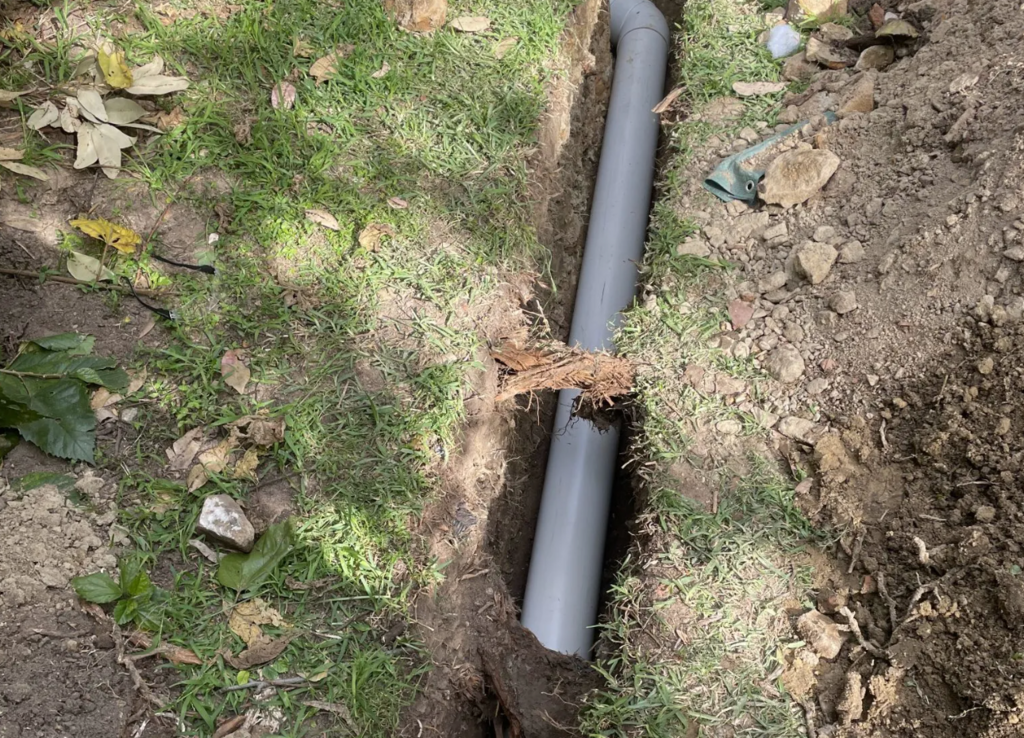
Structural pipe failures are among the most serious issues affecting residential and commercial plumbing systems. Unlike minor leaks or surface-level blockages, structural damage compromises the integrity of pipes and can lead to recurring problems, property damage and costly repairs if not addressed correctly. Many property owners exploring advanced solutions discover that pipe relining in Inner West Sydney provides an effective way to restore damaged pipes without extensive excavation. Understanding how structural pipe failures occur and the available repair options helps property owners make informed decisions when dealing with complex plumbing issues. Structural pipe failures often develop gradually, making early identification essential for preventing extensive damage.
What Structural Pipe Failure Means in Plumbing Systems
Structural pipe failure refers to damage that affects the physical integrity of pipes rather than temporary obstructions. This includes cracks, collapses, joint displacements and corrosion that weaken the pipe structure.
Unlike blockages that can be cleared with cleaning, structural failures require more advanced intervention because the pipe itself is compromised. These failures often occur underground or within walls, making them difficult to detect without specialised equipment. Understanding the difference between surface-level issues and structural failures is crucial for selecting the right repair approach.
Common Causes of Structural Pipe Damage
Structural pipe failures can result from a combination of environmental, material and usage factors. Over time, pipes are exposed to stress, pressure and external influences that gradually weaken their structure.
In older properties, ageing materials such as clay or cast iron are particularly vulnerable to deterioration. Soil movement, ground settlement and vibrations from nearby construction can also contribute to structural damage.
Tree root intrusion is another common cause, as roots penetrate joints and cracks in search of moisture, eventually widening existing fractures. Repeated exposure to high water pressure and temperature fluctuations can further accelerate wear. Recognising these causes helps property owners understand why structural pipe failures often occur unexpectedly.
Warning Signs of Structural Pipe Failure
Structural pipe failures often present subtle symptoms before major damage occurs. Recurring blockages, slow drainage and unpleasant odours may indicate underlying structural issues rather than simple obstructions.
Unexplained damp patches, mould growth or water stains on walls and floors can also signal hidden leaks. In severe cases, sinkholes, cracks in paving or uneven ground may appear above damaged pipes. Because these signs can be mistaken for minor plumbing issues, professional inspections are essential for accurate diagnosis.
Diagnostic Methods for Identifying Pipe Failures
Modern plumbing diagnostics rely on advanced technologies to locate and assess structural damage. CCTV drain inspections are widely used to visualise the interior of pipes and identify cracks, collapses and root intrusion.
Pressure testing and flow analysis can also help determine the extent of damage and pinpoint problem areas. These diagnostic methods reduce the need for guesswork and invasive exploration. Accurate diagnosis is a critical step in selecting the most appropriate repair strategy for structural pipe failures.
Traditional Pipe Replacement as a Repair Option
Historically, structural pipe failures were addressed through excavation and pipe replacement. This method involves digging trenches to access damaged pipes and replacing them with new sections.
While effective, traditional replacement can be disruptive, time-consuming and expensive. Excavation may damage landscaping, driveways and building structures, particularly in densely built areas. For some situations, such as completely collapsed pipes, replacement remains necessary. However, it is no longer the only viable option for addressing structural failures.
Pipe Relining as a Modern Repair Solution
Pipe relining has emerged as a non-invasive alternative to traditional pipe replacement. This method involves inserting a resin-coated liner into the damaged pipe, which is then cured to form a new, durable inner surface.
Relining restores structural integrity without the need for extensive excavation. It is particularly effective for cracks, joint failures and root damage, making it suitable for many structural issues. For property owners seeking efficient solutions, pipe relining offers reduced disruption, faster completion and long-term durability.
Comparing Repair Options for Different Scenarios
Choosing the right repair method depends on the nature and severity of the structural damage. Minor cracks or joint displacements may be effectively addressed through relining, while severe collapses may require partial or full replacement.
Factors such as pipe material, location, accessibility and budget also influence the decision-making process. Professional plumbers assess these variables to recommend the most appropriate solution. Understanding the advantages and limitations of each repair option helps property owners make informed choices.
Long-Term Benefits of Modern Pipe Repair Methods
Modern repair techniques offer significant advantages over traditional methods.T present text: advanced durability, minimal disruption and improved lifespan. Pipe relining, in particular, can extend the life of existing pipes by decades when properly installed.
These methods also reduce the risk of recurring issues by addressing the underlying structural problems rather than temporary symptoms. For property owners, this translates into lower maintenance costs and greater system reliability. Investing in advanced repair solutions can therefore provide long-term financial and operational benefits.
Preventative Strategies to Reduce Structural Failures
While structural pipe failures cannot always be prevented, proactive maintenance can significantly reduce risk. Regular inspections, timely repairs and responsible usage practices help maintain pipe integrity.
Monitoring tree growth near underground pipes, managing water pressure and avoiding the disposal of inappropriate materials down drains are practical preventative measures. Professional maintenance programs further enhance system resilience by identifying vulnerabilities before they escalate into structural failures.
The Role of Professional Expertise in Structural Repairs
Structural pipe repairs require specialised knowledge, equipment and experience. Attempting DIY solutions or relying on temporary fixes can worsen damage and increase repair costs.
Professional plumbers understand the complexities of underground systems and use advanced diagnostic tools to develop effective repair strategies. Their expertise ensures that repairs meet regulatory standards and deliver lasting results. Engaging qualified professionals is essential for addressing structural pipe failures safely and effectively.
Conclusion
Structural pipe failures represent a serious challenge for property owners, often developing silently and escalating into major issues if left untreated. Understanding the causes, warning signs and repair options empowers property owners to respond proactively and choose effective solutions.
For those exploring modern repair methods, options such as pipe relining in Inner West Sydney highlight how non-invasive techniques can restore damaged pipes with minimal disruption. By combining accurate diagnostics, advanced repair technologies and professional expertise, property owners can protect their infrastructure and avoid the high costs associated with traditional excavation-based repairs.