

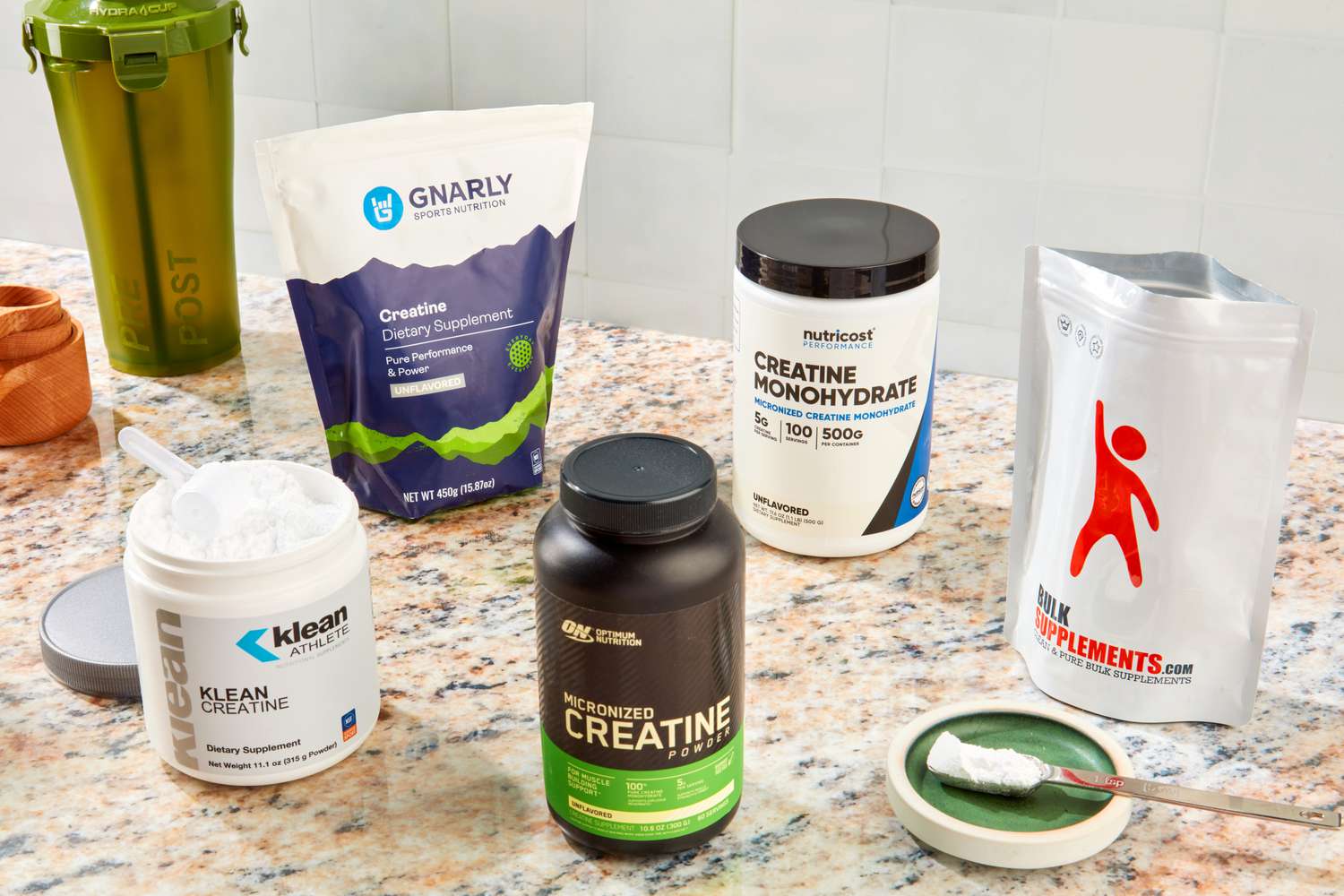
In today’s fast-paced world, the importance of health and wellness is more prominent than ever. From weekend warriors to elite athletes, people are turning to dietary supplements to boost performance, support recovery, and fill nutritional gaps. Among these, creatine supplements have gained widespread popularity due to their impressive track record in the world of sports and fitness.
But what are supplements, exactly? And why is creatine often at the top of the list for those looking to improve strength, endurance, and overall health? In this article, we’ll break down the basics of dietary supplements, dive into the science behind creatine, and discuss how it may benefit various lifestyles.
What Are Dietary Supplements?
Dietary supplements are products designed to augment your daily nutrient intake. They come in many forms—pills, powders, capsules, liquids, and gummies—and may include:
- Vitamins (e.g., Vitamin C, Vitamin D, B-complex)
- Minerals (e.g., magnesium, calcium, iron)
- Herbs and botanicals (e.g., ginseng, turmeric)
- Amino acids (e.g., leucine, glutamine)
- Specialty supplements (e.g., probiotics, omega-3s, creatine)
These supplements are not intended to replace a balanced diet but rather to complement it. For example, someone with low iron levels may take an iron supplement, while an athlete may use protein powder to support muscle recovery after training.
Why Are Supplements Popular?
Supplements are popular for a range of reasons:
- Filling nutritional gaps: Even with a well-rounded diet, many people fall short of meeting daily requirements for key nutrients.
- Supporting specific goals: Athletes may take performance-enhancing supplements like creatine or beta-alanine to boost results.
- Convenience: It’s often easier to take a capsule or shake than prepare multiple meals with all required nutrients.
- Age and health concerns: Older adults, pregnant women, or those with specific medical needs may require tailored supplementation.
While supplements can be helpful, not all are created equal. It’s important to choose high-quality products from reputable manufacturers and to consult with a healthcare professional before beginning any regimen.
Spotlight on Creatine Supplements
Among the most researched and widely used fitness supplements is creatine. Naturally produced in the body and found in small amounts in red meat and seafood, creatine plays a critical role in cellular energy production.
What Is Creatine?
Creatine is a compound stored in your muscles and used to generate energy during short bursts of high-intensity activity, such as sprinting or weightlifting. The body produces it from amino acids like arginine and glycine, but many athletes and gym-goers take creatine supplements to elevate their performance.
The most common form available is creatine monohydrate, known for its purity, effectiveness, and affordability.
Benefits of Creatine Supplements
Numerous studies support the benefits of creatine for both athletic performance and general health. Some key advantages include:
- Increased Strength and Power
Creatine helps regenerate adenosine triphosphate (ATP), the body’s primary energy source during intense activity. This translates to improved power output, allowing athletes to lift more weight, run faster, or complete more reps.
- Muscle Growth
Creatine increases water retention in muscle cells, promoting a fuller appearance and creating an optimal environment for muscle growth. Over time, it can help increase lean body mass.
- Faster Recovery
Some research suggests creatine may reduce muscle damage and inflammation following strenuous workouts, helping athletes recover faster and train more frequently.
- Enhanced Cognitive Function
Emerging research indicates creatine may also support brain health, especially under conditions of mental fatigue or sleep deprivation. The brain, like muscles, relies on ATP to function properly.
- Support for Older Adults
Creatine isn’t just for bodybuilders—it may also help older adults maintain muscle strength and bone density, reducing the risk of falls and promoting overall mobility.
How to Take Creatine
The typical creatine protocol includes:
- Loading Phase: 20 grams per day for 5–7 days (split into 4 doses)
- Maintenance Phase: 3–5 grams per day thereafter
However, you can skip the loading phase and take 3–5 grams daily for a slower but equally effective saturation.
Creatine is best taken with carbohydrates (like juice or a post-workout shake), which helps improve absorption into muscle tissue.
Is Creatine Safe?
Yes—creatine is one of the most studied supplements in the world and has a strong safety profile when used as directed. Most people tolerate it well, although some may experience mild water retention or stomach discomfort.
Contrary to common myths, creatine does not harm the kidneys in healthy individuals. Still, if you have a pre-existing kidney condition, it’s wise to consult a doctor before supplementing.
Choosing the Right Creatine Supplement
When shopping for creatine, look for:
- Creatine monohydrate: The most proven and affordable form
- Third-party tested products: For purity and label accuracy
- Micronized creatine: Easier to mix and absorb
Avoid products with unnecessary additives, fillers, or “proprietary blends” that don’t disclose ingredient amounts.
Supplements, when used properly, can be a powerful addition to a healthy lifestyle. Whether you’re an athlete looking to maximize performance or someone trying to maintain energy and strength as you age, creatine stands out as one of the most effective and reliable options available.
However, no supplement can replace the foundation of good health: a balanced diet, regular exercise, quality sleep, and stress management. Supplements should be just that—a supplement, not a shortcut.
If you’re curious about adding creatine to your routine, start with a small dose, track your progress, and consult a healthcare provider if you have any concerns. When chosen wisely, creatine and other supplements can support your goals and keep you at your best—both in and out of the gym.