

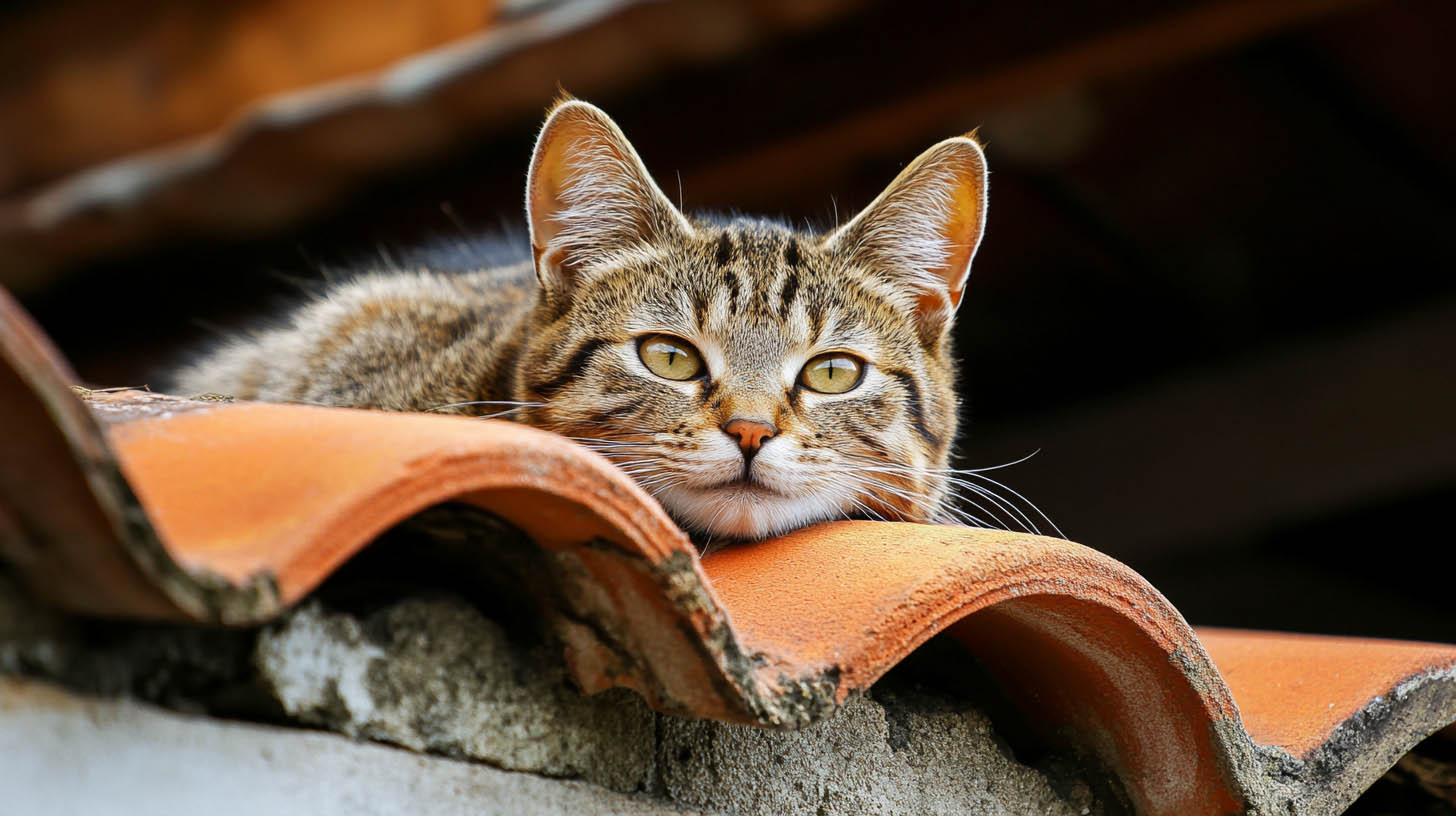
Your roof does more than just keep out rain and snow; it also keeps out wildlife. But sometimes, animals still find their way in. Roofers Rochester MN often see the surprising damage these uninvited guests can cause.
Why Animals Target Your Roof
Animals are always looking for shelter, especially during extreme weather. Your attic offers warmth, safety, and protection from predators. Small gaps or damaged areas on your roof give them the perfect entry point.
Vents, soffits, chimneys, and loose shingles are common weak spots. Animals like squirrels and raccoons are excellent climbers and can pry their way in. Once they’re in, they often build nests, chew wires, and tear up insulation.
It’s not just one visit; they often return or bring friends. A minor issue can quickly grow into a full-blown infestation, so acting early makes a big difference.
Common Animals That Cause Roof Damage
Squirrels are a top offender. They chew through wood, plastic, and even metal to access attics. Once inside, they’ll gnaw on wires, which increases fire risk.
Raccoons are larger and much stronger. They can rip off shingles or break through vents with ease. Their weight and movement can also damage roofing materials.
Birds and bats cause issues, too. They nest in chimneys and vents, blocking airflow. Their droppings are highly acidic and can deteriorate roofing surfaces over time.
Types Of Damage To Watch For
Chewed or torn roofing materials are one of the first signs. Look for damage around vents, edges, and eaves. Missing shingles or holes may also signal a problem.
You might find nests, droppings, or chewed insulation in your attic. Strange noises, especially scratching or scurrying, are common indicators. You may also notice unpleasant odors from urine or feces.
Left unaddressed, these issues can lead to roof leaks, mold growth, and structural damage. That’s why acting as soon as you suspect animal activity is crucial.
How To Safely Remove Animals
If you suspect animals are living in your roof or attic, don’t try to remove them yourself. Wildlife can be aggressive, especially if they’re protecting their young. Plus, some species are protected by law and require special handling.
Contact a licensed wildlife removal professional. They can safely and humanely relocate the animals, help identify entry points, and suggest ways to keep them from returning.
In some cases, traps or deterrents may be used. Always choose ethical methods that comply with local regulations. The goal is to remove the animals without harming them or you.
Preventing Future Infestations
Prevention starts with regular inspections. Check your roof at least twice a year, especially after storms. Look for loose shingles, cracked flashing, or gaps around vents and chimneys.
Seal any openings with durable materials like metal flashing or steel mesh. Trim tree branches away from the roof to limit access for squirrels and raccoons. Install chimney caps and vent covers to block common entry points.
You can also use motion-activated lights or ultrasonic deterrents. These tools make your home less attractive to wildlife. Prevention is always easier and cheaper than repair.
Repairing Animal Damage
Once the animals are gone, the next step is repair. Start by replacing damaged shingles, soffits, or vent covers. If insulation has been contaminated, it must be removed and replaced.
Have a professional inspect the area for hidden structural issues. Water damage, chewed wires, and mold are common long-term side effects of animal activity. A thorough inspection ensures your home is safe and sound again.
Some damage may be covered by insurance. Check your policy and document everything with photos. Working with experienced roofers will help speed up the repair process.
Conclusion
Animals might seem harmless, but they can cause serious problems when they invade your roof. Acting quickly protects your home from costly damage. For expert help, Roofers Rochester MN are ready to assess, repair, and safeguard your space.