

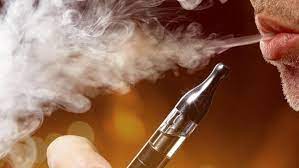
Vaping has become increasingly popular in recent years as an alternative to smoking. A vape is an electronic device that heats a liquid, often referred to as e-liquid or vape juice, to produce a vapor that is inhaled. Unlike traditional cigarettes that burn tobacco, vaping does not involve combustion but instead relies on a battery-powered heating element to vaporize the liquid. E-liquids typically contain nicotine, flavorings, and a base of propylene glycol or vegetable glycerin. Nicotine is the addictive substance found in tobacco and is often the primary reason individuals turn to vaping as a smoking alternative. However, e-liquids come in various nicotine strengths, giving users the option to gradually reduce their nicotine intake.
The device itself consists of several components: a battery, a coil (the heating element), and a tank to hold the e-liquid. When the user activates the device, the battery sends power to the coil, which then heats up and vaporizes the liquid. The resulting vapor is then inhaled, creating a sensation similar to smoking. The experience of vaping can vary depending on the type of device, e-liquid flavor, and nicotine concentration. Many users find vaping more satisfying than traditional smoking because it offers a wide variety of flavors and a customizable experience.
The Popularity Surge and Reasons Behind It
In recent years, vaping has surged in popularity, particularly among younger adults. Many people who previously smoked tobacco have turned to vaping as a perceived healthier alternative. This rise can be attributed to various factors, including the perceived lower health risks associated with vaping compared to smoking. Tobacco smoking is known to cause a range of serious health conditions, including cancer and lung disease. As a result, many smokers have been seeking alternatives like vaping, which is often marketed as being less harmful, although research on its long-term effects is still ongoing.
Another reason for the popularity of vaping is the variety of flavors available. E-liquids come in a multitude of flavors, ranging from fruity to dessert-like options, giving users a more enjoyable and personalized experience. This wide selection is in stark contrast to the limited taste options available with traditional tobacco cigarettes. Many young adults are also drawn to vaping due to its association with modern trends and social media influencers who promote vaping culture. The visually appealing clouds of vapor and the convenience of vaping have contributed to its widespread acceptance in social circles.
Health Impacts and Concerns
While vaping is generally considered less harmful than smoking tobacco, it is not without health risks. The long-term effects of inhaling vaporized e-liquid are still not fully understood, but research has suggested that vaping can pose certain health risks. For instance, some e-liquids contain harmful chemicals that may contribute to respiratory problems or lung damage when inhaled. Additionally, the presence of nicotine in most e-liquids can lead to addiction, making it difficult for users to quit vaping.
Nicotine itself has been linked to a range of negative health effects, including increased heart rate, high blood pressure, and potential harm to brain development, especially in adolescents. Furthermore, there have been reports of lung injury associated with vaping, particularly from the use of unregulated or counterfeit RELX MaxGo 22k Pro 18mg Disposable vape products. While vaping is less harmful than smoking traditional cigarettes, it is not without its own set of dangers, and users are encouraged to consider these risks carefully before starting or continuing to vape.
Vaping and Regulation Around the World
As vaping continues to grow in popularity, governments and health organizations around the world have begun implementing regulations to control its use. The regulation of vaping products varies significantly across different countries and regions. In some countries, vaping is highly regulated, with strict rules about advertising, product labeling, and age restrictions. For example, in the United States, the Food and Drug Administration (FDA) has the authority to regulate e-cigarettes and vaping products, ensuring they meet certain standards for safety and labeling.
In other parts of the world, such as in several European countries, vaping is permitted but subject to certain restrictions. Some countries have chosen to ban the sale of vaping products altogether, citing concerns about public health and safety. In countries like Australia, vaping is strictly regulated, with nicotine-containing e-liquids banned unless prescribed by a doctor. Despite these regulations, the global market for vaping products continues to grow, with millions of people worldwide using e-cigarettes as a smoking alternative.
The Future of Vaping and Its Role in Society
Looking ahead, the future of vaping will likely involve more innovation and regulation as the industry continues to evolve. Technological advancements may lead to the development of more efficient and safer vaping devices, while new e-liquid flavors and nicotine delivery systems may cater to an even wider range of consumers. As public awareness of the health risks of vaping continues to increase, there may also be further efforts to regulate and control the marketing and sale of e-cigarettes.
The societal impact of vaping remains a topic of debate. On one hand, it provides a safer alternative for people who are trying to quit smoking traditional cigarettes. On the other hand, there are concerns about the potential for young people to become addicted to nicotine through vaping, which could lead to long-term health consequences. As more research is conducted on the effects of vaping, society will need to find a balance between allowing adults the freedom to make their own choices while ensuring that the risks to public health are minimized.
Vaping is not just a passing trend but a cultural phenomenon that has reshaped the landscape of smoking and tobacco consumption. Its future will depend on the ongoing dialogue between health experts, governments, and consumers as they navigate the complexities of vaping’s role in modern society.