

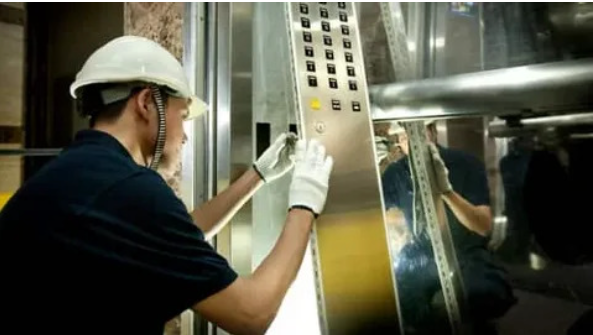
It is essential to plan, execute and have technical knowledge of installing a lift to meet building requirements. Before embarking on an installation project, property owners should take into account issues such as structure, usage requirements, safety and performance over time. By carefully designing the system, potential installation problems can be minimised and a reliable system established that meets the system’s building operational requirements and is safe for the passengers.
Before beginning any lift project, experts assess the site, determine the building needs and choose appropriate equipment. They have a structured approach looking at planning, installation, and final performance checks to ensure system reliability. The expert lift installation Singapore process is carried out by a team of skilled professionals who meticulously handle every aspect, from the initial assessment to the installation of components and testing. Their technical expertise ensures that the lift complies with the regulations and provides reliable service for homes, commercial and industrial buildings.
Why Professional Lift Installation Matters for Buildings in Singapore
Meeting Singapore Lift Safety Requirements
There are many safety rules to observe prior to the lift’s operation. Singapore has laid down guidelines to consider the safety of the passengers, reliability of equipment and correct installation procedures.
Installation is done with qualified technicians who inspect safety requirements at all stages. They check parts, test functions and do necessary tests prior to approval.
The professional installation crew knows the rules and regulations. This information helps minimise the risks of installation and helps the lift system adhere to standards.
Safety inspections also help to ensure that emergency equipment, controls and mechanical systems are functioning properly. These checks provide assurance for building owners and prospective building users.
Ensuring Proper System Selection
The needs of each building are unique. Different lift solutions are required for residential properties, commercial buildings and industrial facilities.
There are a number of factors assessed before the purchase of equipment. These factors consist of building size, passenger amount, space and usage expectations.
The appropriate lift system enhances the efficiency in the operations and long-term reliability. Technical demands are taken into account first by experts before recommending a certain model or configuration.
Future needs are also taken into account in the selection process. An adequate-sized system can accommodate future building needs.
Reducing Installation Risks
Installing lifts can be complex mechanical and electrical work. Inadequate planning may result in delays, safety issues, and extra costs.
Installation is done by trained technicians according to a specific procedure. They arrange equipment delivery, site preparation, component assembling and system testing.
Unexpected issues during the project are minimised using professional planning. It also guarantees that each stage of the installation is given due consideration.
What Happens During an Expert Lift Installation Singapore Process?
Initial Site Assessment and Planning
A site assessment is the first step in the installation process. Technicians check the structure of the building and installation needs.
They assess the space, electrical connections, lift shaft condition and access. This assessment is valuable in the planning of the projects.
The building requirements are also discussed with the owners and the project manager by professionals. These talks enable one to make appropriate lift specifications and installation techniques.
During the planning stage, a roadmap is formed for the whole project. It enables teams to plan resources, schedules and safety plans.
Lift Design and Equipment Selection
Once the assessment is done, it is followed by choosing the right lift design. It can be decided according to the needs and requirements of the building.
Some of the most common lifts are the following:
- Hydraulic lifts
- Traction lifts
- Passenger lifts
- Service lifts
The technical features differ from one system to another. It is assessed by experts in terms of capacity, speed, energy consumption and available space for installation. The equipment selected should be compatible with the environment in the building. The selection becomes proper, and reliable operation and suitable performance are ensured.
Preparing the Installation Site
Technicians pre-plan the site for equipment installation. Structural verification and arrangements are in this stage.
Some of the work that may be done in preparation is:
- Lift shaft inspection
- Electrical setup
- Safety arrangements
- Equipment delivery planning
Technicians plan and organise each activity to keep work organised. The environment is suitable for installation work if prepared properly. Installation methods may vary as a function of building conditions. For this reason, a professional will check on site information prior to starting large projects.
Installing Lift Components
The next step is to put the lift parts together and into place. Each component is placed with great care according to the manufacturer’s instructions.
Major components include:
- Lift cabin
- Motors
- Controllers
- Doors
- Safety systems
The installer’s team is responsible for joining mechanical and electrical elements to form a whole system that works. During installation, experienced staff ensure alignment and connections of components. These checks ensure the correctness and reliability of a system.
Testing and Final Inspection
Testing is an important phase that precedes the lift going into operation. Technicians inspect the accuracy of the movement, stopping accuracy, operation of the doors and safety functions.
They make several tests for the correct working. The systems, sensors and control mechanisms for emergencies are thoroughly assessed.
Final inspections ensure the installed system complies with the needed standards. Documentation is created on successful completion of testing. With a full assessment, building owners can have confidence in the new lift system.
Key Components Installed During a Lift Installation Project
Lift Cabin and Door Systems
The lift cabin is used for the primary passenger space. Technicians perform cabin structure installations based on safety and design specifications.
Installing door systems is also very critical. During operation, doors should open, close and operate properly.
Today, the mechanisms used for doors are equipped with sensors that allow them to detect door movement and ensure the safety of passengers. Such systems are thoroughly tested by professionals before they are approved.
Control Systems and Electrical Components
Control systems are used to regulate the lift and communication between various components. They decide who to select for the floor, fasten up the pace and make the decisions about how to respond during operation.
Electrical components supply the power and link various system functions. Technicians install wiring, controllers, etc. as per technical specifications.
Highly advanced systems need the handling skills to operate. The proper installation provides smooth communication between mechanical and electrical parts.
Safety Devices and Emergency Features
Safety devices ensure the safety of passengers in normal and abnormal conditions. The parts are safety brakes, sensors, emergency alarms and backup systems.
It is engineers’ job to check each safety feature in the final inspection process. They validate that the functions work as expected during an emergency.
Safe systems are a crucial aspect in any professional lift project. They are symbolic of the expertise and attention to detail in the installation process.
Factors That Influence Lift Installation Requirements in Singapore
Building Type and Usage Purpose
The lifts needed in each building vary depending on the building use and activities. For residential buildings, systems for regular passenger movements may be required, and for commercial buildings, higher-capacity systems may be necessary.
Industrial facilities typically have varying needs, as they may be transporting equipment, materials or heavy loads. Building functions are assessed by the professionals before they make any recommendations regarding the suitable systems.
Capacity, speed, design and features of operation are all directly affected by the purpose of the lift. A detailed assessment makes sure that the chosen system is appropriate for the building environment.
Available Space and Structural Conditions
Lift installation planning is a feature which is influenced by the building structure. Equipment selection is affected by available space, dimensions of the shaft and building restrictions.
Older buildings might need extra planning as there could be challenges when installing in an existing building. These conditions are reviewed by the professionals prior to the project.
Technicians can use structural assessments to detect potential problems in the early stages. This method helps to make the setup process more streamlined and prevents any last-minute hassles.
Lift Capacity and Traffic Requirements
The number of passengers determines the type of lift system needed for a building. If you have a small residential property, you may require a different solution to that of a busy commercial facility.
Professionals perform analysis of expected usage prior to the equipment selection. They take into account the levels of flow during peak times, the number of passengers and the number of buildings.
Smooth operation is achieved through appropriate capacity planning. Additionally, it will help avoid problems that result from choosing a system that is not compatible with building requirements.
Common Challenges During Lift Installation Projects
Limited Installation Space
When installing in space, installing a lift could be a challenge. There are some buildings with limited areas which cannot be used without care.
Technicians inspect sites and decide on installation techniques. They take into account structural conditions whilst keeping safety requirements.
A thorough evaluation enables professionals to come up with real answers to various building configurations.
Coordination With Building Operations
Care must be taken when installing a lift within an active building. It’s common for commercial and residential property installations to keep operations running throughout.
Schedules developed by professionals to minimise disruption. They liaise with building managers and other stakeholders in the project. Good communication ensures safety and organisational processes during installation.
Compliance and Inspection Requirements
Projects with a lift requirement are subject to certain requirements for safety and functionality. Systems are inspected prior to public use to ensure they are working properly.
Technicians create documentation and perform evaluations as needed. They inspect mechanical components, electrical systems, and safety items.
Compliance procedures continue to be important for safe lift operation. Proper documentation also provides important records for future maintenance activities.
Choosing the Right Lift Installation Company Singapore
Reviewing Technical Experience and Expertise
When hiring an installation company, it is essential to make a careful evaluation. Experience is a key factor due to the complexity of engineering processes in lift systems.
The company should have technically skilled personnel that are well aware of various lift technologies. They have experience with different install requirements, demonstrated in their previous projects.
Expert lift installation Singapore companies should have technical expertise, professionalism and knowledge of safety standards.
The experienced team can recognise the project problems and use appropriate installation techniques. Their experience helps to build a better base for successful lift projects.
Checking Certifications and Safety Practices
Certifications and safety records are important signs of the professionalism of a company. Before choosing who to hire, property owners must check on qualifications.
A reputable installation company adheres to industry standards and safety measures. These are some of the practices that reflect the commitment to quality and responsible project management.
Safety-orientated companies have comprehensive checkups and proper documentation during the installing process.
Evaluating Installation Support and Service Plans
A lift needs to be paid attention to even after it’s installed. It’s important for the owner to look for companies that offer technical help and maintenance planning.
Post-installation services enable future needs to be identified and system performance to be maintained. Technicians can keep track of equipment condition through regular inspections. A comprehensive service concept leads to better value for the building owner over the long term.
Understanding Lift Installation Costs in Singapore
Equipment Type and Specifications
The equipment type and specifications. The type and specifications of the equipment.
The cost of lifting installations varies according to the type of equipment and technical characteristics. Each system contains different components, materials and installation techniques.
Other features such as lifting power, rate, engineering and technology affect the overall cost of the project.
Cost estimates are only prepared after a professional evaluation of the building needs. This way, the pricing will be in line with the actual scope of the project.
Building Requirements and Installation Complexity
The needs of every installation project are unique. There are a number of factors that can impact overall costs, including structural modifications, site conditions, and building accessibility.
New buildings may be easier to set up since it is possible to plan lifts from the outset of designing the building.
There may be some preparation work for existing buildings. All of these are factors that are evaluated by professionals when developing project plans and budgets.
Maintenance and Long-Term Ownership Costs
Installation expenses are just a single aspect of lift possession. More routine maintenance and inspections can also have an impact on the long-term cost.
Property owners need to look at the services they will need when they are making a property investment. A good maintenance programme is important in maintaining the condition of the system over time.
The selection and professional installation of quality equipment provides a better base for future usage.
Conclusion
The installation of a successful lift involves careful assessment, detailed planning, skilled installation, and thorough testing. All stages of the process are important components of the development of a reliable transportation system for buildings. When working with seasoned professionals, there is a proper assessment of equipment selection, installation and safety checks. The installation work for expert lift installation Singapore projects demands technical knowledge and adherence to awareness of compliance in order to effectively meet the building requirements. When choosing a service provider, property owners should consider their experience, safety measures and technical skills. A structured installation approach will yield better results and contribute to long-term lift reliability.
FAQs
What is the time taken for experts to install the lift in Singapore?
The installation time will vary depending on the type of building, design of lift, site conditions and complexity of the project. Typically, a schedule is given by the professionals after the initial assessment.
What are the key factors that businesses must take into account before fitting a lift?
Before installing a lift system, businesses should take into account the structure they want to design, the number of passengers they expect, the space available, safety standards, budget planning and future usage needs.
What’s the point of companies employing professional lift installation specialists?
Professional experts have technical knowledge, installation experience and insight on safety awareness. They know what equipment is required and the correct way to use it during the project.
What happens when a lift installation is finished?
Technicians test, inspect and check systems after installation. When the lift conforms to the standards, experts document and discuss future maintenance needs.