

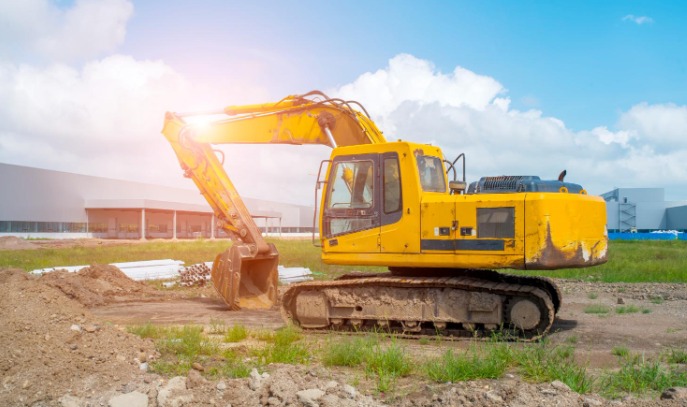
Hiring heavy equipment for home projects like tree removal, construction, landscaping, or pool installation can make the work much quicker and more efficient. However, without proper preparation, it can also lead to unexpected property damage and extra costs.
Before you bring large machinery onto your property, it’s worth taking a moment to understand how the process works and what safety measures should be in place.
Know what equipment will be used
Not all renovation or outdoor projects require the same machinery, and each type comes with different space and weight requirements. Understanding what equipment will be used helps you prepare your property and prevent damage.
Ask your contractor what type of equipment will be used (cranes, excavators, lifts, etc.), how large and heavy it is, and where it will be positioned on your property.
If the project involves larger machines, it’s especially important to know how they’ll be stabilized. Equipment with outriggers may require protective support, such as outrigger pads, to prevent pressure damage to driveways, patios, or lawns.
Having this information upfront allows you to plan and ensure proper precautions are in place.
Ask about the ground protection
Heavy equipment puts significant pressure on the ground. Without proper protection, it can crack driveways, damage patios, or sink into lawns.
Professional contractors should use protective measures such as mats or outrigger pads. These pads are placed under stabilizing legs to distribute weight evenly and reduce pressure on surfaces.
This is especially important for concrete or paved driveways, soft soil or grass, and decorative outdoor areas.
Don’t hesitate to ask how they plan to protect your property — it’s a standard part of responsible work.
Check access and space requirements
Before any heavy equipment arrives, it’s important to make sure your property can safely accommodate it. Large machinery needs enough space to enter, move, and operate without causing accidental damage to structures or landscaping.
Start by checking key areas such as driveways and entry points, gate openings and tight corners, overhead obstacles, and ground conditions.
If space is limited, contractors may need to adjust equipment size or plan alternative access routes. In some cases, they’ll also set up specific work zones where machinery is stabilized with supports such as outrigger pads to reduce pressure on surrounding surfaces.
Taking time to assess access and space in advance helps prevent delays, reduces the risk of property damage, and ensures the work can be carried out safely and efficiently.
Understand the risks to your property
Even with experienced contractors, large machinery, and constant activity can put stress on different parts of your property.
Some of the common risks include cracked or stained driveways and paved areas, compacted soil and damaged lawns, scratched or broken fences, walls, or outdoor structures, or disturbed landscaping, garden beds, or irrigation systems.
The level of risk depends on the size of the equipment, the length of the project, and how well the site is prepared. This is why protective measures are so important.
For example, properly stabilizing equipment and using ground protection, such as outrigger pads, can significantly reduce pressure on surfaces and help prevent avoidable damage.
By understanding these risks early, you can ask the right questions, set clear expectations, and make sure proper precautions are in place before work begins.
Confirm insurance and responsibility
It’s crucial to always check that the contractor has proper insurance coverage. This protects you in case something goes wrong.
You should also clarify who is responsible for repairs if damage occurs, whether cleanup is included, and how disputes will be handled. Getting this in writing avoids confusion later.
Communicate your concerns early
If you have areas you’re particularly worried about, like a new driveway or carefully maintained garden, bring them up before work begins.
A good contractor will adjust their plan if needed, use additional protection, and explain how they’ll avoid damage. Clear communication helps everyone stay on the same page.
Prepare your property
Yet another thing you should do before equipment arrives is take a few simple steps to protect your space.
Make sure you move outdoor furniture and décor, mark underground utilities or irrigation systems, protect delicate plants or relocate them temporarily, and cover surfaces where possible.
These small actions can prevent unnecessary damage.
A little preparation goes a long way
Heavy equipment can make home projects easier, but it requires careful handling and planning. By asking the right questions and ensuring proper protections, you can reduce risks and keep your property safe.
At the end of the day, a successful project isn’t just about getting the job done — it’s about getting it done without leaving damage behind.