

The evolution of synthetic materials has revolutionized various industries, particularly the leather industry. One of the most advanced and widely used alternatives to genuine leather today is microfiber leather. This high-performance material combines cutting-edge technology with versatility, making it a preferred choice in automotive, fashion, sports, and upholstery applications. But what exactly is microfiber leather, and why is it becoming so popular? In this article, we’ll explore everything you need to know about microfiber leather—its composition, advantages, applications, and why it’s considered the next-generation material for modern manufacturing.
Understanding Microfiber Leather
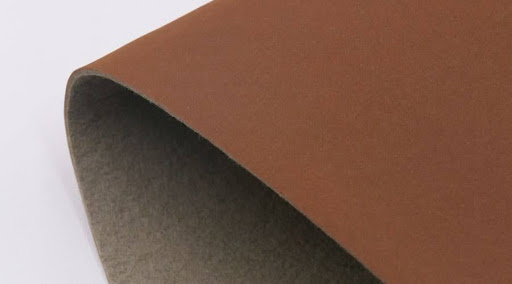
Microfiber leather is a synthetic leather made by combining high-density microfiber non-woven fabric with a layer of polyurethane (PU) resin. The microfiber base mimics the fibrous structure of natural animal hide, which gives this material a feel and durability similar to genuine leather. The PU coating on the surface adds water resistance, texture, and a wide range of finish options. The result is a strong, flexible, and visually appealing leather alternative that is animal-free and suitable for a wide array of applications. Unlike older synthetic leathers like PVC, microfiber leather is engineered for better breathability, wear resistance, and softness.
How Microfiber Leather Is Made
The manufacturing process of microfiber leather begins with the production of a three-dimensional microfiber substrate, usually made of ultra-fine fibers such as polyester and nylon. These fibers are entangled and bonded to mimic the structure of natural leather. Once the base is created, it undergoes a coating process where layers of PU resin are applied. The material is then embossed with textures to resemble various types of genuine leather grains. Depending on the end-use, manufacturers may also apply protective coatings to enhance UV resistance, flame retardancy, or colorfastness. This multi-layered construction gives microfiber leather its signature performance.
Key Features and Benefits
Microfiber leather offers several advantages over both genuine leather and traditional synthetic leathers. First, it is extremely durable—resistant to abrasion, tearing, and aging. Second, it is water-resistant and can be cleaned easily with a damp cloth. Third, microfiber leather is eco-friendly, as it is made without animal products and can be manufactured with reduced emissions and less waste. Additionally, it has excellent elasticity, making it ideal for products that require frequent bending or stretching. Because of these properties, microfiber leather has carved out a strong position in industries demanding high-performance and longevity.
Microfiber Leather vs. Genuine Leather
While genuine leather has long been considered the gold standard in quality and luxury, microfiber leather provides a compelling alternative. From a tactile perspective, high-grade microfiber leather closely mimics the softness and texture of real leather. In terms of performance, microfiber leather often exceeds natural leather in areas like water resistance, stain resistance, and UV stability. Unlike genuine leather, which may crack or dry out over time, microfiber leather retains its appearance for longer periods. It also eliminates the ethical concerns associated with animal hides, making it an ideal choice for vegan and sustainable brands.
Microfiber Leather vs. PU Leather
It’s important to distinguish between microfiber leather and traditional PU (polyurethane) leather. While both are synthetic, microfiber leather is superior in terms of structure and performance. PU leather typically has a looser woven fabric base and may not offer the same durability or breathability. Microfiber leather, by contrast, uses an ultra-fine, tightly woven microfiber base that better replicates the fibrous composition of animal leather. This structural difference leads to greater longevity, improved wear resistance, and enhanced comfort. As a result, microfiber leather is often referred to as “high-end synthetic leather” in the market.
Common Applications of Microfiber Leather
Because of its premium characteristics, microfiber leather is used in a wide range of products and industries. In the automotive sector, it’s popular for car seats, steering wheels, and interiors due to its durability and easy maintenance. In furniture manufacturing, microfiber leather offers a stylish yet practical solution for sofas and chairs. The fashion industry uses it in handbags, belts, and shoes, offering luxurious appeal without using animal leather. Additionally, sports gear manufacturers rely on it for items like footballs, gloves, and protective gear where performance and wear resistance are critical. Its versatility makes it a top material choice across multiple fields.
Environmental and Ethical Advantages
Today’s consumers are more environmentally and ethically conscious than ever, and microfiber leather aligns well with these values. Unlike traditional leather, which involves animal slaughter and chemical tanning, microfiber leather is cruelty-free and less toxic to the environment. Some manufacturers even use recycled materials to produce microfiber substrates, further reducing waste. Additionally, the production process consumes less water and emits fewer pollutants compared to tanning leather. For brands focused on sustainability and ethical sourcing, microfiber leather offers a clear advantage and strengthens their commitment to responsible manufacturing.
Care and Maintenance Tips
One of the standout features of microfiber leather is its ease of maintenance. Unlike genuine leather, which requires conditioning and is sensitive to water, microfiber leather is largely waterproof and can be cleaned with mild soap and water. It is resistant to mildew and fading, making it suitable for both indoor and outdoor use. However, to extend the lifespan of microfiber leather products, it’s advisable to avoid exposing them to extreme heat or prolonged direct sunlight. Regular dusting and occasional surface cleaning will keep the material looking new and extend its functional life.
Why Microfiber Leather Is the Future
As technological innovation continues to redefine materials across industries, microfiber leather stands out as a game-changer. It offers the best of both worlds—combining the aesthetic appeal of genuine leather with the high performance of advanced synthetics. Its versatility, ethical appeal, and environmental friendliness make it a preferred material for modern manufacturers and conscious consumers alike. As demand grows for sustainable and cruelty-free alternatives, microfiber leather is poised to become the go-to material for everything from luxury fashion to everyday household items. It’s not just a substitute—it’s an upgrade in many respects.
Conclusion
In conclusion, microfiber leather is a smart, sustainable, and high-performing alternative to traditional leather. Its unique combination of synthetic structure and leather-like texture makes it ideal for a wide range of applications—from automotive and fashion to furniture and sports equipment. With environmental concerns and animal welfare becoming central to consumer choices, microfiber leather provides a future-focused solution that does not compromise on quality or aesthetics. As industries continue to adopt more innovative materials, microfiber leather is leading the way with durability, functionality, and ethical appeal.