

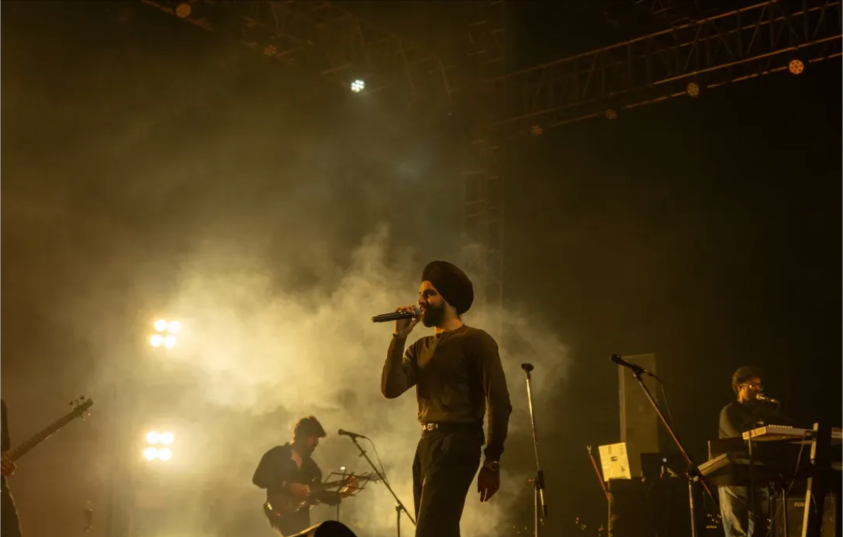
You can sense a shift in music when a song succeeds without trying to dominate.
“Khat” by Navjot Ahuja doesn’t arrive like a takeover, it arrives like a pause. The kind that quietly settles in, almost unnoticed, until you realise you’ve stopped scrolling.
A Song Meant to Be Felt, Not Rushed
Most songs today are built for instant impact. The first few seconds decide everything.
“Khat,” however, feels different. It unfolds slowly, almost deliberately. The guitar doesn’t rush toward a drop, the vocals don’t compete for attention, and the composition leaves space instead of filling it.
- It isn’t engineered for quick loops
- It’s built for a full listen
- It allows silence to carry emotion
That’s where it leans into soft rock melody first, emotion first, and space that lets your own memories step in. You’re not reacting to it; you’re sitting with it.
Why It Feels Like Comfort in 2026
A khat is a letter, something physical, something that stays.
That one idea quietly resists the way modern relationships exist today: messages disappear, conversations get buried, and emotions are shortened for convenience.
The song doesn’t present love as something to display. It presents it as something to keep.
People don’t share it loudly. They pass it on quietly, almost like handing someone a sentence that helped them get through the day. Even with its massive reach huge streaming numbers and a reported long run at #1 on Spotify’s Daily Viral Global Songs chart (around Feb 2026) the way it spreads feels personal, not performative.
A Line That Turns Emotion Into Something Sacred
“Main khuda mein maanu nahi, par maangu dua tere liye.”
You don’t need to be religious to feel what this does.
It works because it captures a contradiction we all understand:
- You may not believe
- But you still hope
- You still ask for something bigger when it matters
Love pushes you beyond logic. It makes you reach for language that doesn’t fully belong to you and that’s exactly why the line stays.
What Navjot Ahuja achieves here is rare: devotion without exaggeration.
Where Small Things Matter More Than Grand Gestures
“Khat” avoids dramatic expressions of love. Instead, it focuses on details that feel real.
“Kagaz ke phool laaun tere liye, khat likhoon tere liye.”
Paper flowers don’t fade. They don’t impress. They simply exist just like feelings that refuse to disappear.
Then come the moments that feel almost lived-in:
“Deewarein neele rang se sajaaun… tumne bataya tha ek dafa.”
It’s not about showing love, it’s about how love quietly changes your decisions. The kind of change no one else notices.
Even the emotional contradictions remain soft:
- You don’t fully understand them, yet they make sense
- They unsettle you, yet you protect their innocence
“Teri baatein naasamajh si… phir bhi jaayaz lag rahi hai.”
“Tu pareshaan kar rahi hai… phir bhi masoom lag rahi hai.”
That’s the essence of soft rock: messy, gentle, and honest.
Soft Rock Never Left—It Just Got Drowned Out
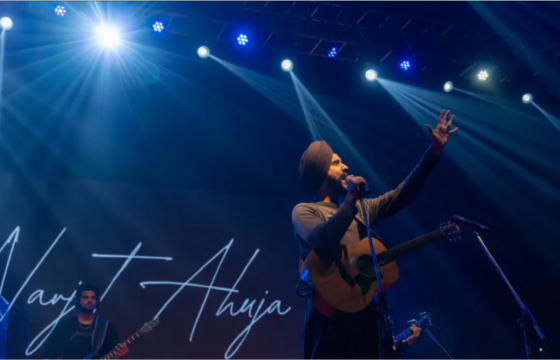
This isn’t about genres competing. Hip-hop didn’t replace emotion, and pop didn’t erase melody.
But somewhere along the way, speed became the default. Songs became sharper, faster, more immediate.
“Khat” doesn’t reject modern music it simply refuses to rush.
- It lets a simple guitar carry complex emotion
- It doesn’t compress feelings into moments
- It allows them to exist fully
It reminds you what soft rock has always done best: make you feel without forcing you to react.
The “Overnight” Song That Took Years
“Khat” may feel like a sudden success, but it isn’t accidental.
It’s Navjot Ahuja’s 26th song, shaped by around 14 years of work. That time shows—not in complexity, but in restraint.
The song doesn’t chase attention. It trusts that the listener will stay.
And that’s what makes it powerful.
What “Khat” Really Signals
“Khat” isn’t starting a genre war. It’s revealing something simpler:
You still want music that slows you down.
You still connect with words you couldn’t say yourself.
You still feel something when love sounds like a prayer even if you don’t pray.
And maybe that’s the real shift.
Not in music, but in listening.