

Insulating your home is one of the most effective ways to cut energy costs, improve comfort, and reduce environmental impact. But with so many options on the market, it can be hard to know which type of insulation is right for you. Enter blown-in insulation, a versatile and efficient insulation method that’s gaining popularity among homeowners and professionals alike.
Whether you’re new to the concept of insulation or looking to upgrade your home’s thermal performance, this post dives deep into why blown-in insulation could be the smart choice for your home.
What is Blown-In Insulation?
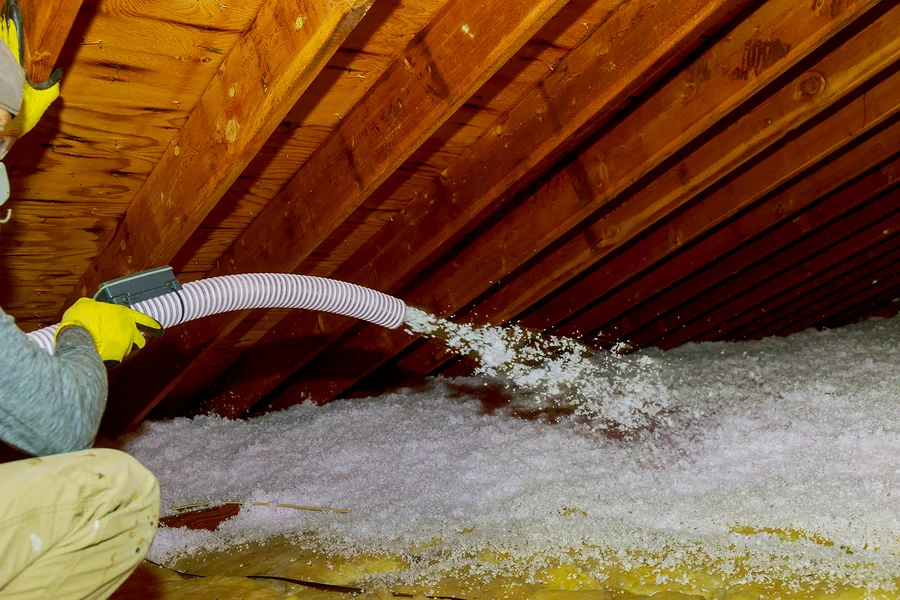
Blown-in insulation involves using specialized equipment to blow loose-fill insulation material into walls, attics, or crawl spaces. The material, typically fiberglass, cellulose, or mineral wool, forms a seamless layer that fills every nook and cranny. This ensures airtight coverage, which is essential for energy efficiency.
Unlike traditional insulation options such as batt or spray foam, blown-in insulation offers flexibility in terms of application and material choices, making it a suitable option for various kinds of properties.
Benefits of Blown-In Insulation
Blown-in insulation provides a host of advantages that go beyond just keeping your home warm in winter and cool in summer. Here’s a closer look at its benefits.
In addition to its energy efficiency benefits, blown-in insulation can also contribute to a healthier home environment by reducing moisture buildup. This is particularly important in areas like basements and crawlspaces, where excess moisture can lead to mold growth and structural damage. For homeowners looking to protect these vulnerable areas, investing in trusted basement and crawlspace waterproofing can provide an added layer of defense against moisture intrusion. By combining effective insulation with reliable waterproofing solutions, you can ensure your home remains comfortable, safe, and energy-efficient throughout the year.
Superior Energy Efficiency
One of the biggest selling points of blown-in insulation is its ability to eliminate drafts and create a tight thermal barrier. By filling even the smallest gaps and crevices, it minimizes heat loss during winter and heat gain during summer.
For example, according to the U.S. Department of Energy, homeowners can save up to 20% on heating and cooling costs by properly insulating their homes. Blown-in insulation is highly effective in achieving this.
Noise Reduction
The density and coverage of blown-in insulation make it an excellent choice for soundproofing. It absorbs sound waves, reducing noise from outside or between rooms.
This makes it ideal not just for homes in bustling neighborhoods but also for multi-level properties where upstairs noise can become a significant issue.
Fast and Easy Installation
Unlike other insulation methods that involve extensive setup and cutting of materials, blown-in insulation is quick to install. Professionals utilize a blowing machine to apply loose-fill material evenly, allowing a large area to be insulated in a relatively short period.
And because it’s injected into spaces, there’s no need for invasive construction or tearing down walls, making it a great solution for retrofit projects.
Eco-Friendly Options
If sustainability is a priority for you, blown-in insulation offers green options, such as cellulose insulation made from recycled paper products. These materials not only reduce landfill waste but also come with a smaller carbon footprint compared to some traditional insulation materials.
Non-Toxic and Safe
Contrary to some misconceptions, many modern blown-in insulation materials are non-toxic and safe for residential use. For example, fiberglass options are free of harmful chemicals, and mineral wool is naturally fire resistant. Always check for certifications and safety ratings when choosing your insulation material.
Where to Use Blown-In Insulation
Blown-in insulation is versatile and can be used in several areas throughout your home.
Attics
Attics are one of the most common places for heat loss in a home. Blown-in insulation is perfect for filling an attic’s open spaces and tight corners, creating a seamless thermal barrier.
Walls
Whether you’re dealing with existing walls in need of additional insulation or building new ones, blown-in insulation ensures maximum coverage. It’s particularly useful for retrofitting insulation in older homes with little to no pre-existing wall insulation.
Crawl Spaces
Insulating crawl spaces can make a big difference in maintaining consistent indoor temperatures. Because crawl spaces are prone to dampness, blown-in insulation’s moisture-resistant options, like fiberglass or mineral wool, are effective solutions.
Blown-In Insulation Versus Other Types
How does blown-in insulation stack up against other popular methods like batt insulation or spray foam? Below is a quick comparison.
| Feature | Blown-In Insulation | Batt Insulation | Spray Foam Insulation |
| Installation Time | Fast | Moderate | Longer |
| Efficiency | High | Moderate | Very High |
| Versatility | Excellent (fills crevices) | Limited | Excellent |
| Cost | Moderate | Low | High |
| Soundproofing | High | Low | Very High |
| Retrofit Compatibility | Perfect | Requires modifications | Complex |
A Few Considerations Before You Commit
While blown-in insulation offers a variety of benefits, there are a few considerations to keep in mind.
- Cost: Although more affordable than spray foam, blown-in insulation can cost more upfront than batt insulation. However, the long-term energy savings often justify the expense.
- Humidity Concerns: If moisture is an issue in your home, ensure you choose a moisture-resistant material like fiberglass or mineral wool to prevent mold growth.
- Professional Installation: Blown-in insulation requires specialized equipment for installation, so hiring a professional is typically necessary. Make sure to choose certified contractors for the best results.
Is Blown-In Insulation Right for Your Home?
Not sure if blown-in insulation is the best option for your property? Here are a few questions to ask yourself that may help guide your decision:
- Does your home have hard-to-reach spaces in need of insulation?
- Are you focused on reducing energy bills and making your home more eco-friendly?
- Are noise reduction and soundproofing a priority for your living spaces?
If you answered “yes” to any of these, blown-in insulation might be the perfect fit for your needs.
Take the Next Step Toward a Cozier, More Efficient Home
Blown In Insulation is a game-changer for homeowners who want to enjoy better energy efficiency, improved comfort, and lower utility bills without the hassle of invasive installations. Whether you’re retrofitting an older home or upgrading your current insulation, it’s worth considering this efficient and versatile option.
Want to learn more about insulation solutions tailored to your home? Contact [Your Company Name] today for a free consultation and estimate. Our experts will help you decide if blown-in insulation is right for you.