

Most people buying an electric vehicle spend weeks researching the car. The charger gets about ten minutes of thought, usually right before delivery day. That imbalance is worth correcting, because the charger shapes the ownership experience far more than the badge on the bonnet does. The spread of EV chargers in Australia is quietly restructuring daily habits, household energy decisions, and even where Australians choose to stop on a road trip. It deserves a proper look.
Range Anxiety Is the Wrong Fear
Charging anxiety makes more sense as a concern than range anxiety, honestly. The worry about running out of charge in the middle of nowhere is understandable, but it rarely matches reality. Most Australians drive well within the capability of a modern EV battery on an average day. What catches new owners off guard is not distance — it is the mental reset required to stop thinking like a petrol driver. You no longer fill up when empty. You top up whenever the car is sitting still. Once that habit clicks, the anxiety tends to disappear on its own.
Not All Chargers Are Equal
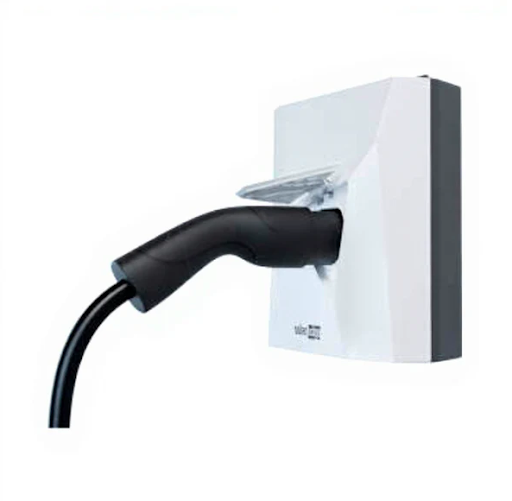
Plugging into a regular wall socket at home will charge your EV, yes. But it does so slowly enough that it only suits drivers covering very short distances daily. A dedicated home wall charger works considerably faster and handles the needs of most commuters without any drama. Out on the highway, DC fast chargers operate on a different level altogether — a decent break at a servo can restore a meaningful chunk of range before you’ve finished your meat pie. Knowing which charger suits which situation saves a lot of frustration early on.
Solar and Charging Go Hand in Hand
Australia has taken to rooftop solar with genuine enthusiasm, and that has created an interesting opportunity for EV owners. Pairing a home charger with a solar system means the car can draw from panels during the day rather than the grid. Smart chargers take this further — they monitor when solar output is strong and pull power automatically during those windows. For households already running solar, this arrangement quietly changes what it actually costs to drive. The fuel becomes, in practical terms, sunlight. EV chargers in Australia work best when that solar connection is part of the planning from the start.
Workplaces Are Quietly Joining In
Apartment renters often get overlooked in EV conversations because they cannot easily install a home charger. Workplace charging is one of the more practical answers to that problem. An employee whose car charges during the workday solves the overnight charging issue entirely. Some employers have started treating workplace chargers as a staff perk rather than just an infrastructure checkbox. The installation is rarely as complicated or expensive as businesses assume, and the goodwill it generates among staff tends to stick around.
Apartments Remain a Genuine Challenge
Strata living and EV ownership have a complicated relationship. Installing a charger in a shared car park means navigating body corporate approval, electrical capacity checks, and sometimes drawn-out negotiations between residents with competing priorities. It is not impossible — plenty of apartment owners have managed it — but it takes patience. Several states are updating legislation to make the process more straightforward, though the rules on paper and the reality on the ground do not always line up yet. This is one of the few areas where the honest answer is: it depends heavily on your building.
Second-Hand EVs Are Broadening Access
Early EVs are now old enough to have a genuine used market in Australia. That matters because it shifts access away from exclusively early adopters and towards a wider range of buyers. A used EV with a solid battery sitting in a driveway where the previous owner already installed a wall charger is a practical and accessible package. The infrastructure often comes with the house. People who assumed EVs were out of reach are discovering that the second-hand path makes more sense than waiting for the right new model at the right moment.
Conclusion
The conversation around EV chargers in Australia tends to get flattened into talking points about emissions targets and green energy. The real story is more grounded than that. It is about habit change, about solar panels on suburban rooftops, about apartment buildings slowly sorting out their wiring, and about families in regional towns waiting for infrastructure that city dwellers take for granted. The shift is real and it is picking up pace — but it is uneven, and pretending otherwise helps nobody making actual decisions about whether to go electric.