

Introduction
Your vehicle is more than just a mode of transportation; it is a valuable asset that requires consistent care and attention. Over time, daily driving exposes your car to dirt, road debris, harsh weather conditions, UV rays, and environmental contaminants that can gradually diminish its appearance and structural integrity. While routine maintenance such as oil changes and tire rotations keeps the engine running smoothly, aesthetic upkeep plays an equally important role in preserving overall value. Regular car detailing goes beyond a simple wash by thoroughly cleaning, restoring, and protecting both the interior and exterior surfaces of your vehicle. By investing in professional detailing services on a consistent schedule, you not only maintain a polished and well-kept appearance but also safeguard your car from long-term damage. In this guide, we will explore how regular detailing directly contributes to higher resale value, improved longevity, and a better overall driving experience.
Protecting Your Investment with Professional Care
Regular car detailing is one of the smartest ways to protect your automotive investment. Dirt, bird droppings, tree sap, and road salt can cause corrosion and paint deterioration if left untreated. Over time, these contaminants eat away at the clear coat, leading to fading, oxidation, and costly repairs. Professional detailing removes these harmful elements and applies protective layers such as wax or sealants to shield the paint. Many vehicle owners researching car detailing benefits discover that consistent professional care significantly reduces long-term wear and tear. By visiting trusted experts for thorough services, you ensure your vehicle receives proper treatment that preserves its original finish and shine. This proactive approach prevents premature aging, keeps the exterior glossy, and ultimately enhances your car’s resale appeal. Maintaining your vehicle’s condition through regular detailing demonstrates responsible ownership, which buyers and dealerships highly value.
Enhancing Exterior Appearance and Paint Longevity
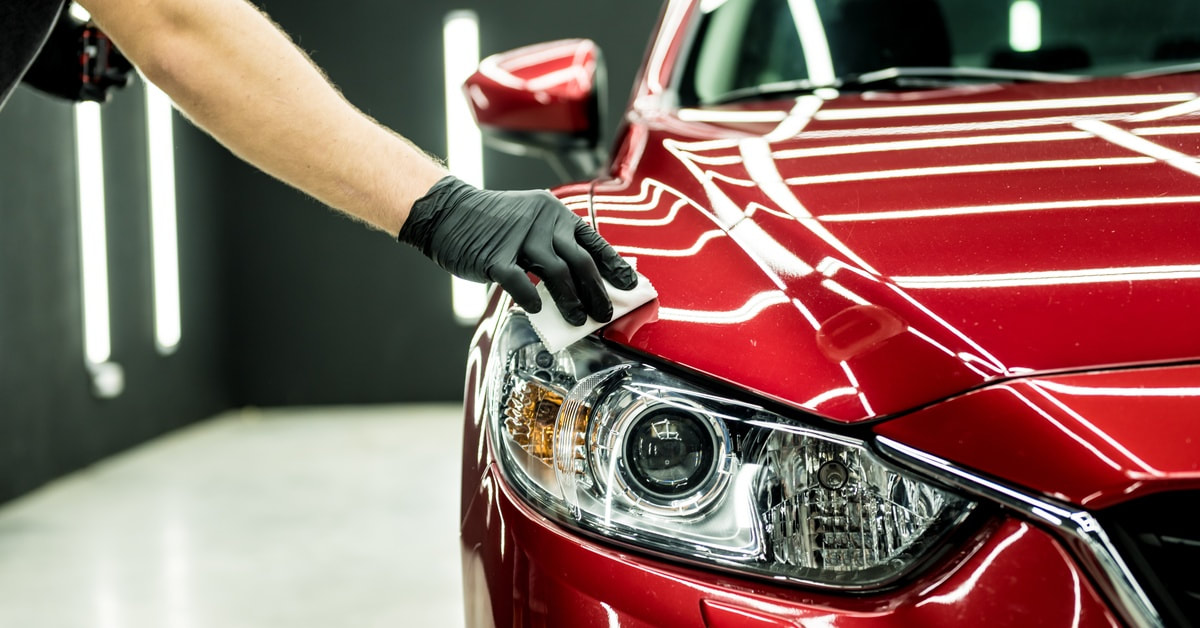
A vehicle’s exterior condition is one of the first things potential buyers notice. Regular detailing maintains a smooth, glossy finish that reflects proper care and attention. Paint correction services remove minor scratches, swirl marks, and oxidation, restoring the car’s original brilliance. When detailing is performed consistently, protective coatings prevent contaminants from bonding to the surface, reducing the risk of permanent damage. UV rays from the sun can cause paint fading and clear coat breakdown, but waxing and ceramic sealants provide a protective barrier. Clean wheels, polished headlights, and spotless windows further improve the overall presentation. A well-maintained exterior creates a strong first impression, often allowing sellers to negotiate higher prices. In contrast, neglected paintwork and dull finishes can significantly lower perceived value. Regular detailing ensures your vehicle continues to look vibrant and well-preserved throughout its lifespan.
Preserving Interior Quality and Comfort
The interior of a vehicle plays a crucial role in determining its overall value. Buyers are more likely to pay a premium for a car with clean upholstery, fresh air quality, and well-maintained surfaces. Regular detailing includes deep vacuuming, shampooing carpets, conditioning leather seats, and sanitizing dashboards and consoles. These services prevent stains from becoming permanent and protect materials from cracking or fading. Dirt and debris trapped in carpets can cause unpleasant odors and wear down fibers over time. By consistently cleaning and protecting interior components, you extend their durability and maintain a comfortable driving environment. Detailing also removes allergens and bacteria, improving cabin hygiene. A spotless interior not only enhances your driving experience but also signals meticulous care to potential buyers. This level of maintenance can significantly boost resale value and make your vehicle stand out in competitive markets.
Preventing Costly Repairs Through Preventative Maintenance
One of the most overlooked advantages of regular car detailing is its role in preventing expensive repairs. Contaminants such as road salt and moisture can cause rust formation, particularly in wheel wells and undercarriages. Routine detailing includes thorough cleaning of these vulnerable areas, reducing the risk of corrosion. Paint protection treatments prevent clear coat damage that could otherwise require repainting. Interior conditioning prevents leather cracking and dashboard fading, eliminating the need for costly replacements. Headlight restoration improves visibility and prevents deterioration that might require new assemblies. By addressing minor issues early, detailing minimizes the likelihood of major cosmetic repairs. This preventative approach saves money in the long run and preserves your vehicle’s structural and aesthetic integrity. A car free from visible damage and deterioration naturally commands a higher resale price and inspires buyer confidence.
Boosting Resale and Trade-In Value
When it comes time to sell or trade in your vehicle, its condition directly influences the price you receive. Dealerships and private buyers evaluate appearance as a key indicator of maintenance. A regularly detailed vehicle looks newer, better cared for, and more desirable. Clean paintwork, scratch-free surfaces, and a fresh-smelling interior create a positive impression that can justify a higher asking price. Even minor cosmetic improvements achieved through detailing can increase perceived value by hundreds or even thousands of dollars. Buyers often equate cleanliness with mechanical reliability, assuming that a well-maintained exterior reflects proper overall care. In competitive markets, a spotless vehicle stands out among similar models. Regular detailing ensures your car remains in excellent condition year-round, so when you decide to sell, you can confidently command the best possible return on your investment.
Extending the Lifespan of Vehicle Components
Regular detailing does more than improve aesthetics; it extends the lifespan of various vehicle components. Protective treatments prevent paint deterioration, while conditioning products maintain the flexibility of rubber seals and trim. Clean windows and mirrors ensure optimal visibility and safety. Upholstery care prevents fabric wear and leather cracking, maintaining structural integrity. Engine bay cleaning removes debris that can trap heat and affect performance. By consistently caring for these components, detailing reduces long-term degradation and helps your vehicle function efficiently for years. Prolonging the life of interior and exterior materials directly contributes to sustained value. Vehicles that age gracefully retain higher market demand and often require fewer refurbishments before resale. Through ongoing detailing, you preserve both form and function, ensuring your car remains reliable, attractive, and financially valuable throughout its lifecycle.
Building Pride of Ownership and Buyer Confidence
Regular detailing fosters pride of ownership, which translates into better overall vehicle care. When your car looks pristine, you are more likely to maintain it properly and address issues promptly. This consistent attention reduces neglect and supports higher resale value. Buyers appreciate vehicles that reflect careful maintenance and cleanliness. A detailed car demonstrates that the owner invested time and resources into upkeep. Clean service records paired with a spotless appearance create a compelling sales proposition. Furthermore, a fresh and polished vehicle enhances everyday driving enjoyment, making ownership more satisfying. The psychological impact of a clean car should not be underestimated; it signals responsibility and reliability. When prospective buyers see a meticulously maintained vehicle, they are more confident in their purchase decision, often resulting in quicker sales and stronger offers.
Frequently Asked Questions (FAQs)
- How often should I detail my car to maintain its value?
Detailing every four to six months is recommended for most vehicles, though frequency may vary based on climate and usage. - Does detailing really increase resale value?
Yes, a well-maintained vehicle typically commands a higher resale price due to improved appearance and perceived care. - Is professional detailing better than DIY cleaning?
Professional detailing uses specialized equipment and products that provide deeper cleaning and longer-lasting protection. - Can detailing prevent rust and corrosion?
Regular cleaning and protective treatments reduce moisture buildup and contaminants that cause rust. - What is the difference between washing and detailing?
Washing removes surface dirt, while detailing involves deep cleaning, restoration, and protective treatments for both interior and exterior surfaces.
Conclusion
Regular car detailing is a powerful strategy for preserving and increasing your vehicle’s value over time. By maintaining both the exterior and interior, detailing protects against environmental damage, prevents costly repairs, and extends component lifespan. A consistently clean and polished vehicle creates a strong impression, enhancing buyer confidence and resale potential. Beyond financial benefits, detailing improves driving comfort and promotes pride of ownership. Rather than viewing detailing as an occasional luxury, consider it an essential part of routine vehicle maintenance. Investing in professional care today ensures your car remains attractive, reliable, and valuable for years to come.