

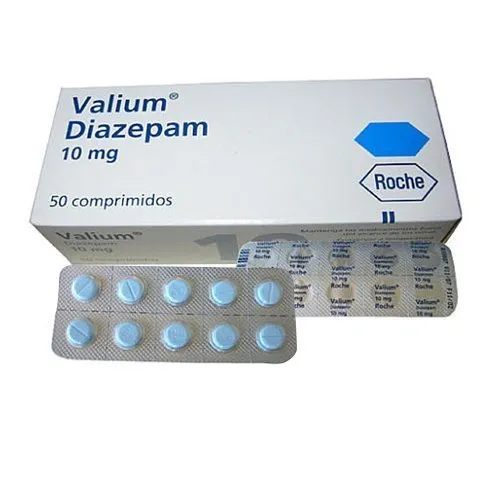
Diazepam is a prescription medicine that has been used for many years to help manage certain medical conditions involving anxiety, muscle spasms, seizures, and alcohol withdrawal symptoms. In the UK, diazepam is classified as a controlled medicine and is only available with a prescription from a qualified healthcare professional.
Because diazepam can affect the central nervous system, it is important for patients to understand both its benefits and its risks. This article provides an educational overview of diazepam, how it is used in the UK to buy diazepam online UK , and why obtaining it through legitimate healthcare channels is essential for safety.
What is diazepam?
Diazepam belongs to a class of medicines called benzodiazepines. It works by enhancing the effects of gamma-aminobutyric acid (GABA), a neurotransmitter in the brain that helps calm nerve activity. By increasing the action of GABA, diazepam can reduce anxiety, relax muscles, and help control certain types of seizures.
Diazepam is available in several forms, including tablets, oral solutions, and injectable preparations used in hospital settings. The specific form and dosage prescribed depend on the patient’s medical condition and clinical needs.
Common medical uses of diazepam
In the UK, diazepam may be prescribed for a range of medical conditions. Some of the most common uses include:
- Anxiety disorders: Diazepam may be prescribed for short-term relief of severe anxiety symptoms when other treatments are not sufficient.
- Muscle spasms: It can help relax muscles in conditions where spasms cause discomfort or restricted movement.
- Seizures: Diazepam may be used in certain situations to help control seizures, particularly in emergency settings.
- Alcohol withdrawal: Doctors may prescribe diazepam to help manage withdrawal symptoms in people reducing or stopping alcohol consumption under medical supervision.
- Pre-procedural sedation: In some cases, diazepam may be used to help relax a patient before a medical or dental procedure.
How diazepam works
Diazepam acts on the brain and nervous system by enhancing the calming effects of GABA. This leads to a reduction in excessive nerve activity, which can help relieve anxiety, reduce muscle tension, and suppress abnormal electrical activity associated with seizures.
Because diazepam affects the central nervous system, it can also cause drowsiness and sedation. Patients are usually advised to avoid driving, operating machinery, or performing hazardous tasks if they feel sleepy or impaired while taking the medication.
Benefits of diazepam when used appropriately
When prescribed and monitored by a healthcare professional, diazepam can provide significant benefits for patients with specific medical conditions. Potential benefits include:
- Rapid relief of acute anxiety symptoms.
- Reduction of painful muscle spasms.
- Assistance in controlling certain seizure episodes.
- Support during alcohol withdrawal treatment.
- Short-term calming effects before medical procedures.
These benefits are most likely to occur when diazepam is used exactly as prescribed and for the shortest duration appropriate to the medical condition.
Potential side effects
Like all medicines, diazepam can cause side effects. Common side effects may include:
- Drowsiness or fatigue.
- Dizziness or light-headedness.
- Muscle weakness.
- Confusion or difficulty concentrating.
- Dry mouth.
Most side effects are mild and may lessen as the body adjusts to the medication. However, some side effects can be more serious, especially if diazepam is taken in high doses or combined with alcohol or other sedating substances.
Important safety information
Seek medical advice promptly if you experience severe drowsiness, difficulty breathing, unusual mood changes, confusion, or signs of an allergic reaction while taking diazepam.
Risks of dependence and withdrawal
One of the most important considerations with diazepam is the risk of dependence. Benzodiazepines can be habit-forming, particularly when used for long periods or at higher doses.
To reduce this risk, healthcare professionals in the UK generally prescribe diazepam for short-term use whenever possible. Patients should not stop taking diazepam suddenly without medical guidance, as this can lead to withdrawal symptoms such as anxiety, insomnia, irritability, tremors, and, in some cases, seizures.
If long-term use is necessary, a doctor may recommend a gradual dose reduction plan to minimise withdrawal effects.
Who should use diazepam with caution?
Diazepam may not be suitable for everyone. Patients should inform their healthcare provider about their full medical history, including:
- Respiratory conditions such as chronic obstructive pulmonary disease (COPD) or sleep apnoea.
- Liver or kidney disease.
- History of substance misuse or dependence.
- Depression or other mental health conditions.
- Pregnancy or breastfeeding.
- Current use of other medications, especially opioids, antidepressants, or sleeping tablets.
A healthcare professional can assess the potential risks and benefits and determine whether diazepam is an appropriate treatment option.
Safe use of diazepam
To use diazepam safely, patients should follow their prescriber’s instructions carefully. Key safety tips include:
- Take the medication exactly as prescribed.
- Do not increase the dose or frequency without medical advice.
- Avoid alcohol while taking diazepam, as it can increase sedative effects and breathing risks.
- Do not share the medication with anyone else.
- Store diazepam securely and out of reach of children.
- Attend follow-up appointments so your doctor can monitor your response to treatment.
Safe access to diazepam online UK
In the UK, diazepam is a prescription-only medicine. The safest and legal way to obtain it is through a consultation with a qualified healthcare professional, such as a GP or specialist. A prescriber will assess your symptoms, medical history, and treatment needs before deciding whether diazepam is appropriate.
Patients should be cautious about websites offering diazepam without a prescription or without proper medical oversight. Medicines obtained from unregulated sources may be counterfeit, contaminated, incorrectly dosed, or unsafe to use.
When using an online pharmacy, ensure that it is registered with the General Pharmaceutical Council (GPhC) and requires a valid prescription where appropriate.
Alternatives to diazepam
Diazepam is not the only treatment option for anxiety, muscle spasms, or related conditions. Depending on the individual situation, a healthcare professional may recommend alternatives such as:
- Cognitive behavioural therapy (CBT) or other talking therapies for anxiety.
- Selective serotonin reuptake inhibitors (SSRIs) for longer-term anxiety management.
- Physiotherapy or other treatments for muscle spasms.
- Alternative anticonvulsant medications for seizure management.
- Lifestyle approaches such as stress reduction, sleep hygiene, and regular exercise.
The most appropriate treatment depends on the patient’s symptoms, medical history, and personal circumstances.
Frequently asked questions
How long can diazepam be taken?
Diazepam is usually prescribed for short-term use, often for a few days or weeks. Long-term use may increase the risk of dependence and should be carefully monitored by a healthcare professional.
Can diazepam be taken with alcohol?
Alcohol should generally be avoided while taking diazepam because the combination can increase drowsiness, impair coordination, and increase the risk of breathing difficulties.
Is diazepam addictive?
Diazepam can cause physical and psychological dependence, particularly when used for extended periods or at high doses. This is why it should only be used under medical supervision.
What should I do if I miss a dose?
If you miss a dose, follow the advice provided by your prescriber or pharmacist. Do not take a double dose to make up for a missed dose unless specifically instructed.
Conclusion
Diazepam is an effective medicine for certain medical conditions when used appropriately and under the supervision of a qualified healthcare professional. It can provide relief from anxiety, muscle spasms, seizures, and alcohol withdrawal symptoms, but it also carries risks such as drowsiness, dependence, and withdrawal effects.
For patients in the UK, the safest approach is to seek medical advice before using diazepam and to obtain the medication only through legitimate, regulated healthcare channels. Understanding how diazepam works, its potential side effects, and the importance of proper medical oversight can help patients use the medicine safely and effectively.
If you have questions about diazepam or think it may be suitable for your condition, consult a GP, pharmacist, or other qualified healthcare professional for personalised advice.