

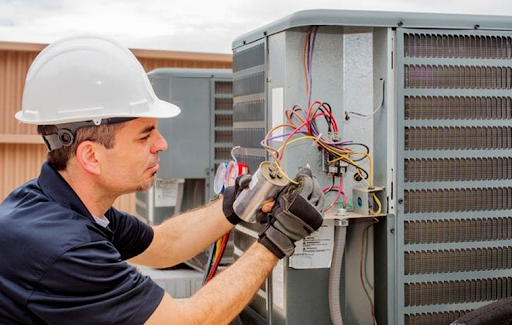
Heating, ventilation and air conditioning systems, in homes as well as commercial buildings throughout the city, need installation, repair and regular upkeep — this is what HVAC services Melbourne generally means. Comfort inside a property depends on these services, along with proper temperature regulation and air quality that stays healthy. Between cold, damp winters and hot, humid summers, Melbourne’s weather keeps shifting, and this shift puts real pressure on heating and cooling equipment. For that reason, consistent servicing matters here more than in cities where the climate stays steadier.
What HVAC Work Actually Covers
Fixing a broken air conditioner is what many people assume HVAC work to be, though the reality covers much more ground than that. New units get installed by technicians, maintenance checks get run, ductwork gets cleaned out, thermostats get calibrated, and parts not performing as they should get troubleshot. Refrigerant levels, electrical wiring, and airflow testing are usually all part of a typical visit, so the technician can confirm the system works together as a whole.
Tasks that keep coming up include:
- Air filters that need cleaning or replacing
- Refrigerant charge checks in cooling units
- Thermostat accuracy testing
- Worn parts that need repair or swapping
- Dust and debris clearing from ducts and vents
Why Extra Strain Comes From Melbourne’s Weather
One climate pattern is not something Melbourne really settles into for long. Air conditioners get pushed to their limit during summers, while heaters run for hours at a stretch through winter. Components wear down faster because of that back-and-forth between extremes, compared to places where weather stays milder and more consistent.
Efficiency gets lost gradually when systems go without regular attention. Higher power bills usually show up first, and more serious breakdowns follow later — breakdowns that an inspection could have caught much earlier.
Signs a System Needs Attention
Until something feels off, most people don’t give much thought to their heating or cooling system. Before a full breakdown, a few warning signs tend to appear:
- Grinding, buzzing, or rattling noises
- Airflow feeling weak or uneven between rooms
- Bills creeping up with no clear explanation
- The system switching on and off more often than usual
- A burning or musty smell while it runs
A smaller repair bill instead of a full replacement is usually what comes from catching these signs early.
How Often Servicing Should Happen
This question comes up often, and rightly so. Once or twice a year is what most technicians recommend, ideally just before summer arrives and again before winter sets in. Filters get cleaned within that timing, moving parts get lubricated, and the whole unit gets checked before facing its hardest work. Faster wear and breakdowns at the worst possible moment tend to happen with systems that get skipped year after year.
How Long These Systems Typically Last
A few factors decide this, mainly how often the unit runs, how well maintenance gets handled, and the quality of the original installation. Somewhere between 10 and 15 years is typical for air conditioners. Heating systems, when looked after properly, can stretch a little longer. Replacement often comes much sooner, though, for units that get neglected.
How Maintenance Connects to Energy Use
Comfort isn’t the only thing reduced by a blocked vent or dirty filter — the whole system ends up working harder than necessary because of it. That extra strain reflects on energy bills and cuts down the unit’s working life over time.
Small habits go a long way here: filters swapped on schedule, duct leaks sealed properly, and a professional taking a periodic look at the system. Beyond energy savings, indoor air also stays cleaner when a system is well maintained, with less humidity and dust floating around.
Why Professional Inspection Still Matters
Handling basic upkeep isn’t much of a hassle, but there’s only so much visible without proper training. Things like a slow refrigerant leak, a wiring issue, or hidden duct damage — a qualified technician can spot these where they wouldn’t otherwise be obvious. Keeping a system reliable over years depends on that kind of detailed check, not just on it running day to day.
Final Thoughts
Avoiding expensive repairs down the track comes down to understanding how these systems work and paying attention when something feels off. A routine filter change or an early warning sign caught in time — either way, staying on top of heating and cooling equipment keeps things running smoothly regardless of season. For anyone looking into HVAC services Melbourne, consistent maintenance paired with quick attention to small issues remains the most dependable way to keep a system performing well throughout the year.