

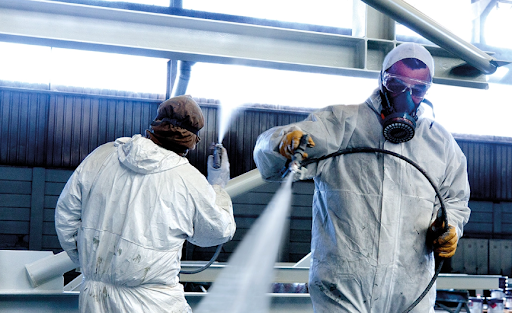
Anyone who has spent enough time around industrial sites will tell you this: protective coatings, nobody really notices them, until the day they fail. It is the coatings specialist whose job is to make sure that day never comes. Applying, inspecting, maintaining protective or decorative coatings on metal, concrete, wood, and industrial equipment, this is what the role involves, all with one purpose in mind, keeping surfaces safe from corrosion, wear, chemical exposure, and the slow damage of weather over time. For this reason, heavy reliance is placed on this kind of expertise by construction crews, manufacturers, oil and gas operators, marine engineers, and infrastructure teams alike, because when a coating gets applied the correct way, years, sometimes even decades, can get added to the life of an asset.
What This Job Actually Looks Like Day to Day
When people hear about this line of work, spraying paint on a wall is usually the picture that comes to their mind, yet the actual job goes much deeper than that on the technical side. Surface preparation, this is where everything begins, and more often than not, more time gets spent here than on the coating application itself. Cleaning, sandblasting, grinding down, surfaces go through all this to strip away rust, grease, or old paint that sits underneath. If this part gets rushed, or worse, skipped entirely, not much of what comes after will hold up for long.
Once a surface has gone through proper preparation, the next big decision becomes picking the right coating for the situation at hand. A pipeline that sits outdoors, exposed to humid conditions, this needs something entirely different compared to a steel beam that stays tucked away inside a warehouse. After the coating goes on, thickness, adhesion, curing quality, all of this gets checked with inspection tools, the purpose being to confirm everything lines up with what the project standards call for.
The Main Types of Coatings You’ll Come Across
There are a few categories that keep showing up, again and again, no matter which industry you look at:
- Epoxy coatings, these hold up well when chemicals are involved and stick to surfaces in a reliable way
- Polyurethane coatings, often the pick when resistance to sunlight and flexibility over the years matters most
- Zinc rich coatings, mostly seen on steel, where corrosion tends to be the biggest worry
- Powder coatings, these get applied while dry, then cured using heat, giving a tough and even finish
- Fireproofing coatings, used with the goal of slowing down how fire spreads across structural parts
Each type here, it has its own specific job to do, and getting the wrong one picked is never just some small slip up. Early failure, higher safety risk, costly rework further down the road, all of this can follow from that one mistake.
Why Surface Prep Gets Blamed for Most Coating Failures
This is likely the question that gets asked more than any other: even when top quality materials are used, why do coatings still end up failing? Nine times out of ten, what happened before the coating was even applied, that is where the answer usually traces back to. Oil, salt, moisture trapped underneath, any of these stop a coating from bonding the way it should. Months go by, and then blistering, peeling, or rust starting to form from underneath rather than on the surface, this is what shows up. Anyone who has real experience in this field, they will all say the same thing, prep work is not the boring part of the job, far from it actually, it is the part deciding whether everything else that follows will hold up or not.
Getting Qualified for This Kind of Work
Training and certification, these carry a lot of weight in this field. Certifications covering surface prep standards, inspection methods, safety procedures, these get offered by bodies like NACE International and SSPC, and recognition for these extends across much of the world. Coming up through apprenticeships is also common among professionals, working alongside crews who already have experience before eventually handling projects on their own. Since industrial environments are where this work often happens, safety training around hazardous materials, confined spaces, protective gear, this matters just as much in the qualification process as the technical side of things does.
How Inspection Fits Into the Process
Rather than only happening once the job wraps up, inspection actually runs through the whole process from start to finish. Wet film thickness gauges, dry film thickness gauges, adhesion testers, all of these get used to confirm the coating matches up with what the project specifies. Weather also plays its part here, so humidity and temperature get watched closely, since curing that happens outside the recommended range can quietly undo an otherwise solid job.
Final Thoughts
Glamorous, this job is not, yet quietly, it protects the infrastructure, machinery, and structures that people depend on every single day. From that very first pass of surface prep all the way through to the final inspection check, real technical know how gets demanded by this job, along with a good amount of patience too. As industries keep pushing toward assets that last longer and job sites that stay safer, the need for people skilled in this line of work, that is not going anywhere anytime soon.