

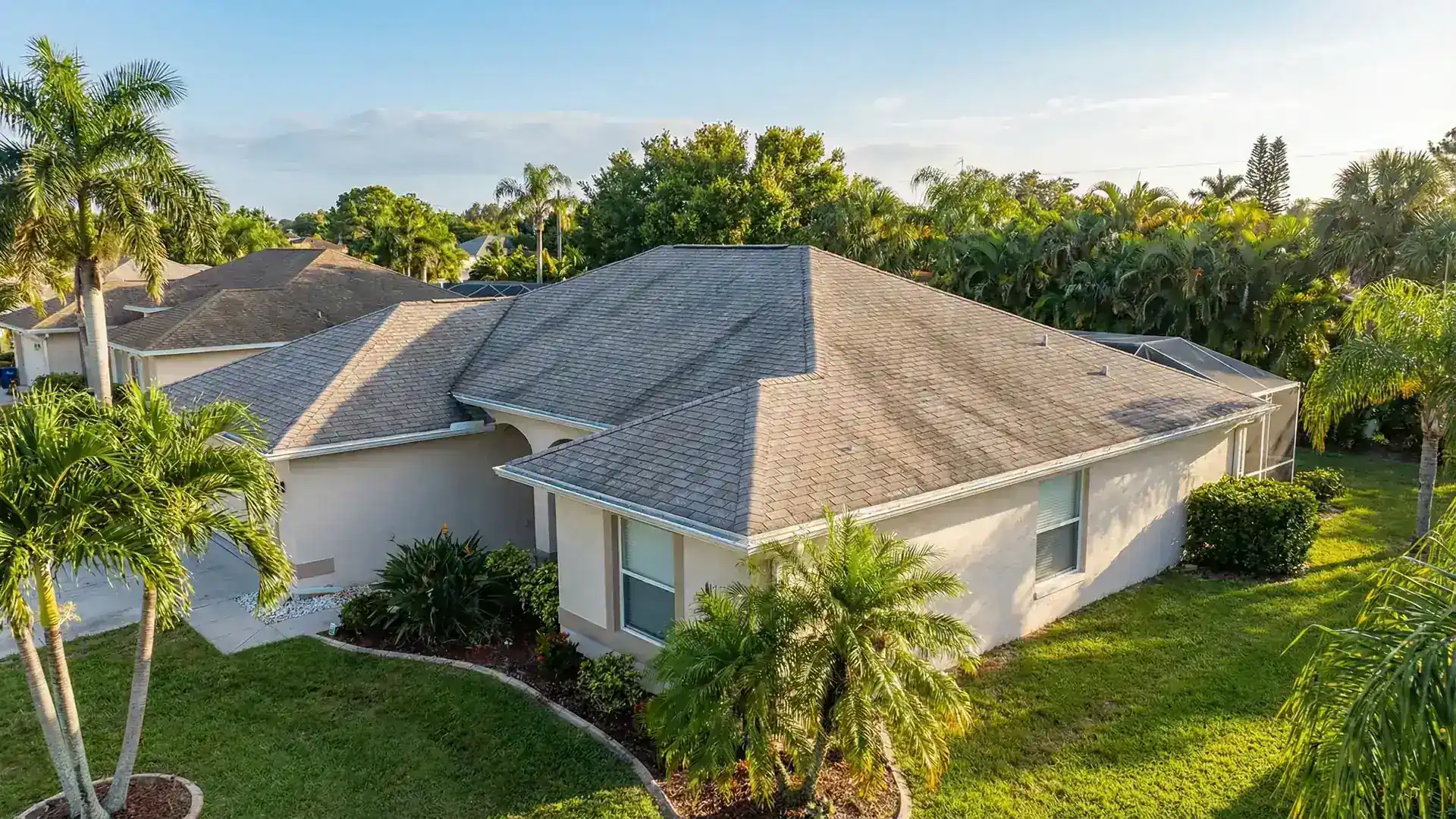
A roof is one of the most important investments for any property owner, especially in a high-risk weather region like Florida. Strong sun, heavy rainfall, hurricanes, salt air, and constant humidity all affect how long a roofing system can last. Homeowners often ask how many years a roof can survive before it needs repair or full replacement, especially when planning Roof Installation in Miami.
The truth is that roof lifespan in Florida is shorter compared to many other states because of the extreme climate conditions. However, the exact lifespan depends on the roofing material, installation quality, maintenance, and exposure to storms.
Understanding how different roofing systems perform in Florida helps homeowners make smarter decisions about repair, maintenance, and replacement planning.
Why Florida Climate Impacts Roof Lifespan
Florida’s weather creates constant pressure on roofing systems. Even high-quality roofs wear down faster due to environmental conditions.
Key factors affecting roof lifespan include:
- Hurricane-force winds
- Heavy tropical rain
- High humidity levels
- Salt air near coastal areas
- Intense UV radiation
- Sudden temperature changes
These conditions can weaken roofing materials over time, causing cracks, leaks, fading, and structural damage.
Professional Roof Installation in Miami must account for these conditions to ensure maximum durability and storm resistance.
Asphalt Shingle Roof Lifespan in Florida
Asphalt shingles are one of the most common roofing materials used in residential homes.
In Florida, asphalt shingle roofs typically last:
- 15 to 25 years (average lifespan)
However, in high-storm areas like Miami, lifespan may be closer to the lower end of this range.
Shingle roofs are popular because they are affordable and easy to install. But they are also more vulnerable to:
- Wind uplift during hurricanes
- Heat damage from UV exposure
- Moisture penetration during heavy rain
Signs of aging asphalt shingles include:
- Curling edges
- Missing shingles
- Granule loss
- Cracks or brittleness
Proper Roof Installation in Miami using high-quality shingles and correct fastening methods can improve durability significantly.
Clay Tile Roof Lifespan in Florida
Clay tile roofing is a popular choice in South Florida due to its durability and aesthetic appeal.
Clay tile roofs can last:
- 40 to 50+ years
In many cases, the tiles themselves can last even longer, but underlayment and structural components may require replacement sooner.
Tile roofs perform well in hot climates because they resist heat and UV damage. However, they are vulnerable to:
- Impact damage from debris
- Cracking under heavy force
- Underlayment deterioration
Regular inspections help extend the lifespan of tile roofing systems.
Professional Roof Installation in Miami ensures proper structural support because tile roofs are heavy and require strong framing.
Concrete Tile Roof Lifespan in Florida
Concrete tiles are similar to clay tiles but often more affordable and widely used in Florida homes.
Concrete tile roofs typically last:
- 30 to 50 years
They offer strong resistance to:
- Heat
- Wind
- Fire
- UV exposure
However, they may still suffer from:
- Surface erosion over time
- Cracking from impact
- Moisture absorption
With proper maintenance and quality installation, concrete tile roofs can provide long-term durability in Florida’s climate.
Metal Roof Lifespan in Florida
Metal roofing is becoming increasingly popular for both residential and commercial properties in Miami due to its strength and energy efficiency.
Metal roofs can last:
- 30 to 50 years (sometimes longer)
High-quality systems like standing seam metal roofs offer excellent resistance to hurricane winds and heavy rain.
Benefits of metal roofing in Florida include:
- Reflects heat and reduces cooling costs
- Strong wind resistance
- Lightweight structure
- Low maintenance requirements
However, metal roofs may face issues such as:
- Corrosion in coastal areas
- Fastener loosening over time
- Noise during heavy rain (if not properly insulated)
Proper Roof Installation in Miami with corrosion-resistant coatings is essential for maximizing lifespan.
Flat Roof Lifespan in Florida
Flat roofing systems are commonly used in commercial buildings, apartments, and modern residential designs.
Flat roofs typically last:
- 10 to 20 years depending on material
Common flat roofing materials include:
- TPO roofing
- EPDM rubber roofing
- Modified bitumen
- Built-up roofing systems
Flat roofs require more maintenance due to:
- Water pooling risks
- Drainage system dependency
- Seam vulnerability
- UV exposure
Regular inspections and maintenance are essential to extend lifespan in Florida’s wet climate.
How Hurricanes Affect Roof Lifespan
Hurricanes are one of the biggest factors reducing roof lifespan in Florida.
Strong storms can cause:
- Wind uplift damage
- Missing roofing materials
- Water intrusion
- Structural weakening
- Hidden leaks
Even if a roof looks intact after a storm, internal damage may exist.
Proper Roof Installation in Miami includes hurricane-resistant techniques such as:
- Enhanced fastening systems
- Secondary water barriers
- Impact-resistant materials
- Reinforced roof structures
These methods significantly improve long-term durability during storm seasons.
Importance of Roof Installation Quality
Roof lifespan is not determined by material alone. Installation quality plays a major role in how long a roof will last.
Poor installation can lead to:
- Early leaks
- Loose materials
- Structural failure
- Reduced wind resistance
Experienced roofing professionals ensure:
- Proper sealing techniques
- Correct material placement
- Strong fastening systems
- Code-compliant installation
High-quality Roof Installation in Miami helps maximize lifespan and reduce repair costs over time.
Maintenance and Roof Longevity
Regular maintenance is essential for extending roof life in Florida.
Basic maintenance includes:
- Cleaning gutters
- Removing debris
- Inspecting flashing
- Checking for leaks
- Replacing damaged materials
Neglecting maintenance can significantly shorten roof lifespan, especially in humid and storm-prone environments.
Even durable roofing systems require periodic care to perform at their best.
Coastal Environment and Salt Air Damage
Homes near the coast in Florida face additional roofing challenges due to salt air exposure.
Salt air can cause:
- Metal corrosion
- Material weakening
- Faster aging of roofing components
This is especially important for homes in Miami and surrounding coastal areas.
Using corrosion-resistant materials during Roof Installation in Miami helps reduce long-term damage caused by salt exposure.
Signs Your Roof Is Nearing the End of Its Life
Homeowners should watch for warning signs that indicate roof replacement may be needed:
- Frequent leaks
- Missing or damaged shingles
- Sagging roof areas
- Mold or mildew growth
- Rising energy bills
- Visible wear and tear
If these issues become frequent, it may be more cost-effective to replace the roof instead of repairing it repeatedly.
Insurance and Roof Lifespan Considerations
Insurance companies in Florida often evaluate roof age and condition.
Older roofs may:
- Have higher premiums
- Require inspections
- Face coverage limitations
Maintaining a strong, well-installed roof helps support insurance coverage and claim approvals after storm damage.
Proper documentation of Roof Installation in Miami also helps during insurance evaluations.
Energy Efficiency and Roof Performance
A well-installed roof contributes to energy efficiency by:
- Reducing heat absorption
- Improving insulation
- Lowering cooling costs
In Florida’s hot climate, energy-efficient roofing systems are essential for comfort and cost savings.
Materials like metal and reflective shingles perform especially well in reducing heat buildup.
Choosing the Right Roofing Material for Florida Homes
Selecting the right roofing material depends on:
- Budget
- Property type
- Climate exposure
- Maintenance preference
Each material has different strengths and lifespan expectations, but proper installation and maintenance are equally important.
Working with experienced roofing professionals ensures the best choice for long-term performance.
Building Strong Roofs for Florida’s Climate
Roof lifespan in Florida depends on multiple factors, including material type, installation quality, maintenance, and exposure to extreme weather conditions. While some roofing systems can last several decades, others require earlier replacement due to environmental stress.
Understanding these differences helps homeowners make informed decisions about repair, maintenance, and Roof Installation in Miami to ensure long-term protection and value.
For residential roofing, commercial roofing, roof replacement, and expert Roof Installation, Fixup Roofing company Miami provides professional roofing services designed to help Florida homeowners and businesses build durable, weather-resistant roofing systems that can withstand the challenges of South Florida’s demanding climate.