

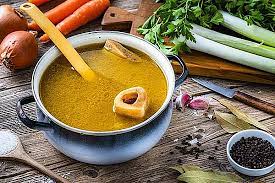
Bone broth is often praised for its healing properties, especially when it comes to skin, joints, and gut health. A big part of that reputation comes from collagen—a structural protein found in bones and connective tissue. But how much collagen are you actually getting in a cup of bone broth?
Here’s what you need to know.
What Is Collagen?
Collagen is the most common protein in the human body. It helps form the structure of your skin, joints, tendons, cartilage, and bones. As you age, your body naturally produces less collagen, which can lead to wrinkles, joint pain, and reduced flexibility.
That’s why foods like bone broth—rich in collagen-derived amino acids—have become so popular.
How Collagen Ends Up in Bone Broth?
When you slow-cook bones and connective tissues in water, the collagen breaks down into gelatin, a protein packed with amino acids like glycine, proline, and hydroxyproline. These compounds help your body rebuild its own collagen.
Collagen Content in Bone Broth
The amount of collagen in bone broth depends on several factors:
- Type of bones used: Chicken feet, beef knuckles, and marrow bones have more collagen.
- Cooking time: The longer the simmer (12–24 hours), the more collagen gets extracted.
- Water-to-bone ratio: More bones per pot = higher collagen density.
- Homemade vs store-bought: Many packaged broths are watered down or lack proper simmer time.
On average:
- Homemade bone broth typically provides 6 to 12 grams of protein per 1-cup serving, mostly from gelatin (a collagen source).
- Store-bought bone broth ranges from 4 to 10 grams per cup, depending on the brand and preparation.
Not all of that protein is technically “collagen,” but the majority of it comes from collagen-rich sources.
How to Make Bone Broth Higher in Collagen?
Want to boost the collagen content in your broth? Follow these tips:
- Use collagen-heavy bones like chicken feet, beef knuckles, and joints.
- Add apple cider vinegar to the pot—it helps break down collagen during cooking.
- Simmer for at least 12–24 hours to extract the most nutrients.
- Let it cool—if it gels when cold, it’s loaded with collagen.
Is Bone Broth a Good Source of Collagen?
Yes, especially if made correctly. While collagen powders offer a more concentrated dose, bone broth provides not just collagen but also minerals, amino acids, and gut-soothing compounds.
It may not deliver an exact gram-count like a supplement, but it’s a whole-food source that can easily be included in daily meals.
Bottom Line
A cup of bone broth can contain anywhere from 6 to 12 grams of collagen-rich protein, especially when made with the right bones and cooked for long enough. It’s a natural, nutrient-packed way to support your body’s collagen production—and a great addition to any diet focused on joint, skin, and digestive health.