

Most people assume sleep apnea treatment is just about stopping the snoring. That’s missing the bigger picture entirely. What really matters is what happens during those silent gaps when breathing stops. Your body floods with stress hormones it was never designed to handle repeatedly throughout the night.
The Adrenaline Problem
Doctors don’t always explain this part clearly. Every breathing pause triggers an adrenaline dump. Your body reacts as if you’re drowning. The nervous system gets stuck in fight-or-flight mode during what should be peaceful rest. People describe feeling wired and exhausted at the same time. Their bodies are worn out but chemically incapable of proper relaxation.
Why CPAP Fails
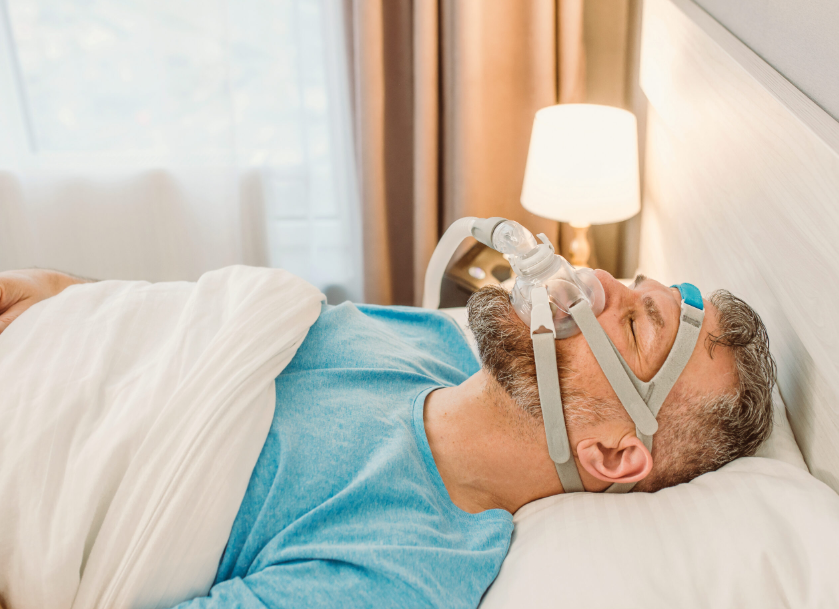
Plenty of people give up on their CPAP machines early. It’s not about being difficult or lazy. The pressure settings need tweaking as throat tissues change. What felt comfortable initially can become unbearable weeks down the track. Most clinics only handle the initial setup. Finding someone who offers ongoing calibration changes everything. That’s the gap between a machine that works and one that collects dust in the cupboard.
The Jaw Connection
Dental appliances aren’t just holding your mouth in position. There’s actual science behind how they function. These devices activate a neurological reflex that keeps upper airway muscles engaged. Your brain gets continuous signals to maintain throat muscle tone during sleep. Individual responses vary quite a bit though. What works brilliantly for some people does absolutely nothing for others.
Positional Therapy Secrets
Sleeping on your back allows gravity to pull the tongue and soft palate backward. The airway collapses more easily in this position. You’ve probably heard about sewing tennis balls into pyjamas. That old trick rarely works long term. People just rip them out while half asleep. Modern devices use subtle vibrations instead. They prompt position changes without actually waking you. Over time, your body learns to avoid back sleeping naturally.
Weight Loss Reality
Here’s what makes this complicated. Losing weight genuinely helps with sleep apnea treatment outcomes. But sleep apnea itself makes dropping kilos incredibly difficult. Disrupted sleep messes with hunger hormones. You feel ravenous all the time. Your metabolism slows down. It’s a vicious trap. Treating the sleep apnea first often makes weight management much easier afterward. Most people try doing it backward and struggle unnecessarily.
Surgical Timing Matters
Surgery gets treated like a desperate last option. Sometimes that’s backward thinking though. Younger patients with obvious anatomical problems might do better with earlier surgical intervention. Think severely enlarged tonsils or a jaw that sits too far back. Waiting decades means tissues lose elasticity. That can reduce how well surgery works. The “exhaust all other options first” mentality isn’t ideal for everyone.
The Glucose Connection
Blood sugar control deteriorates fast with untreated sleep apnea. Interrupted sleep causes insulin resistance. This happens even in otherwise healthy people. Glucose levels often improve within weeks of starting sleep apnea treatment. Sometimes before any weight comes off. Anyone dealing with pre-diabetes or diabetes should be screened for sleep apnea as standard practice. The connection is that strong.
Relationship Dynamics Shift
Partners develop their own sleep problems from constant monitoring. They’re subconsciously checking breathing patterns all night. Neither person reaches deep sleep properly. Once treatment starts, both need adjustment time. The partner might struggle sleeping without those familiar sounds. This creates weird tension right when things should be getting better. Nobody warns you about this part.
Alcohol’s Hidden Impact
Having a drink before bed seems harmless enough. Many people use alcohol to help them fall asleep. What actually happens is the complete opposite of helpful. Alcohol relaxes throat muscles even more than usual. The airway collapses more easily throughout the night. Even people with mild sleep apnea can experience severe episodes after drinking. This effect lasts for hours. A glass of wine with dinner might still be affecting your breathing at midnight. Most sleep specialists recommend avoiding alcohol for several hours before sleep. The difference in breathing quality can be dramatic.
Conclusion
The genuine value of sleep apnea treatment shows up in surprising ways. Blood sugar steadies. Weight becomes more manageable. Both partners finally sleep properly. Initial discomfort with devices is completely normal. Settings need regular fine-tuning. Improvements build gradually rather than appearing instantly. Think of treatment as an interconnected system needing multiple components. That perspective helps more than expecting a magic single solution.