

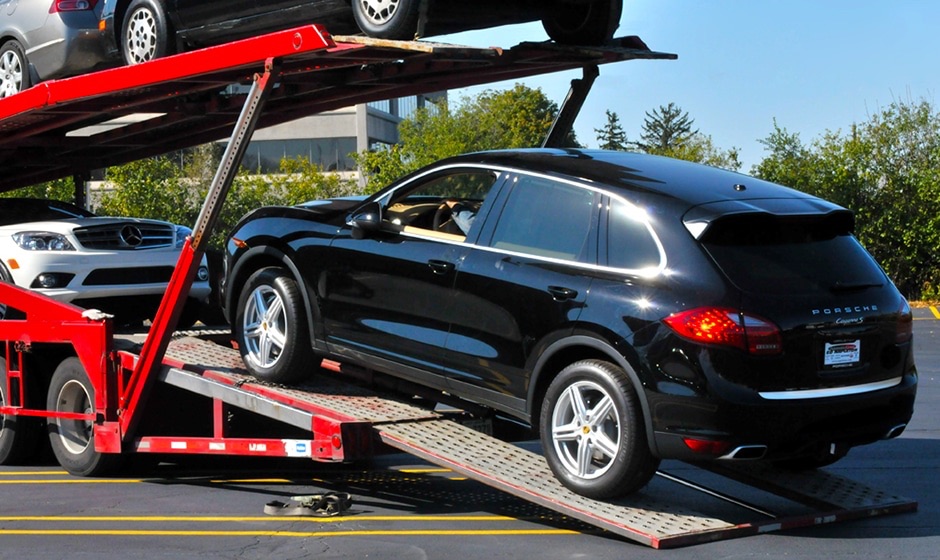
Relocating a vehicle across county lines might seem straightforward, but it often comes with unexpected challenges.
Whether you’re moving for work, buying a car from another region, or helping a friend or family member, avoiding common mistakes can save you time, money, and stress.
Here are key tips to ensure your vehicle transport goes smoothly and safely.
1. Do Your Research on Car Transport Companies
Not all car transporters offer the same quality of service. Some may specialize in short distances, while others are better equipped for long-haul moves. Check customer reviews, service ratings, and any available insurance policies. A well-reviewed company is more likely to treat your vehicle with care and communicate clearly throughout the process.
2. Compare Quotes—But Don’t Just Pick the Cheapest
It’s always tempting to go with the lowest quote, but that can lead to issues. Cheap prices may mean corners are being cut—perhaps in customer service, insurance coverage, or driver expertise. Instead, aim to find a balance between cost and quality. A mid-range quote from a reputable provider is often the safer option.
3. Understand the Types of Vehicle Transport
You’ll typically choose between open and enclosed transport. Open transport is more affordable but exposes your car to the elements. Enclosed transport offers more protection, which is ideal for high-value or classic cars. Make sure the method aligns with your vehicle’s needs and value.
4. Prepare Your Vehicle Before Pickup
Before your car is picked up, remove all personal items, deactivate toll tags, and take pictures from multiple angles. These photos serve as evidence of your vehicle’s condition in case of damage during transit. Ensure the tank is about a quarter full—it’s enough for loading and unloading, but light enough to reduce overall weight.
5. Know Your Route and Delivery Window
Some delays are unavoidable, especially when travelling across multiple counties. Weather, traffic, and unforeseen detours can impact delivery time. Stay in communication with your transporter and get a realistic estimate of when to expect your vehicle. Always allow for a flexible window of a few days, just in case.
6. Don’t Skip the Paperwork
When your car is picked up, the transporter should provide a Bill of Lading. This document outlines the car’s current condition, pickup, and delivery details. Double-check everything and make sure both parties sign it. This will be your main point of reference in case a claim needs to be made.
For those in the southwest of England, several trusted services specialize in moving vehicles safely and affordably. When looking to transport vehicles Devon, be sure to choose a provider who offers transparency, insurance, and positive customer feedback.
7. Inspect Upon Delivery
Once your vehicle arrives, inspect it thoroughly before signing off. Compare the condition to the photos you took earlier. Any discrepancies should be reported immediately, and the transporter should note them on the final delivery report.
Final Thoughts
Transporting a vehicle between counties doesn’t have to be stressful. By planning ahead, choosing the right provider, and staying informed every step of the way, you can ensure a hassle-free experience. Avoiding these common pitfalls will help keep your car—and your peace of mind—safe during the journey.