

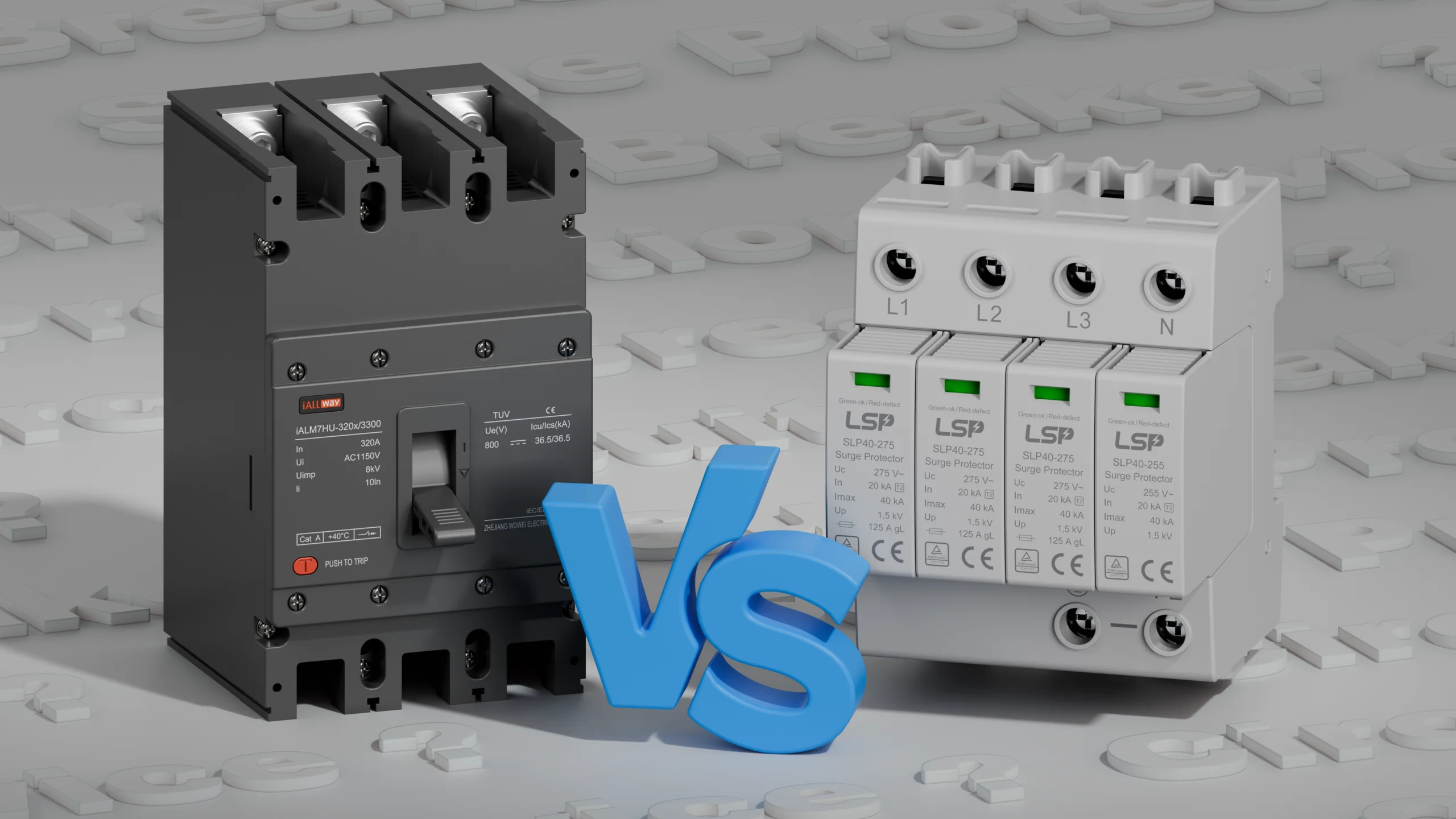
Electricity is one of those things we barely notice until something goes wrong. A sudden shutdown, a burnt smell from the distribution board, or equipment that simply refuses to start- most of us have seen it at least once. In reality, many of these issues are linked to overload conditions that quietly build up over time. This is where MCCBs step in as silent protectors.
Without proper protection, even a small overload can turn into major damage. A reliable moulded case circuit breaker doesn’t just interrupt faults. It safeguards continuity, safety, and equipment lifespan. This is exactly what makes it indispensable.
What is MCCB
At its core, a molded case circuit breaker is a protective device designed to handle higher current ratings compared to smaller breakers. It sits inside distribution systems and monitors electrical flow continuously. What many people don’t realise is that these devices aren’t only about switching circuits ON or OFF. They are about controlled protection.
You will often hear engineers refer to MCCB electrical protection in industries where load conditions fluctuate throughout the day. For example, in manufacturing plants, sudden motor starts or voltage dips can push systems into risky zones. This is where a well-selected MCCB switch becomes critical.
Unlike miniature breakers, MCCBs allow adjustable trip settings. Like Adjustable thermal overload settings (e.g., 0.8–1×In) , Adjustable magnetic short-circuit settings (2–10×In depending on model)
This flexibility helps technicians fine-tune protection levels based on real operating conditions rather than theoretical assumptions. It’s practical engineering. Not just theory.
How Does MCCB Work?
Understanding the working principle feels complicated at first. But in reality, it’s quite logical. A moulded case circuit breaker constantly compares actual current flow with preset safe limits. When something crosses that boundary, slowly or suddenly, it responds. Not randomly but precisely. Let’s break that behaviour into simpler parts.
-
Thermal Protection Mechanism
Inside many designs, a thermal element reacts to prolonged overload. Heat builds gradually as current exceeds rated levels. Eventually, the breaker trips. This delayed action prevents nuisance interruptions while still protecting cables. In a busy MCCB panel board, this behaviour is essential because not every temporary surge means danger. A reliable MCCB electrical setup balances patience with protection and that balance matters.
-
Magnetic Trip Function
Short circuits are different. They are aggressive, instant, and potentially destructive. Here, magnetic tripping takes over. The internal coil generates force the moment current spikes sharply, forcing contacts apart within milliseconds. The speed saves equipment. For example, in heavy installations using a molded case circuit breaker, magnetic response prevents transformer or motor windings from severe thermal stress during unexpected faults.
-
Manual Switching Capability
Protection is not the only role. Operators also use the breaker for controlled isolation during maintenance. A sturdy MCCB switch allows safe disconnection without touching live terminals. In real-world sites, like factories, malls, hospitals, technicians rely on this feature daily. It simplifies lockout procedures and reduces accidental energisation risks, especially when multiple feeders are integrated inside a complex MCCB panel board arrangement.
Uses of MCCB
The application scope is surprisingly wide. From commercial complexes to renewable plants, MCCBs quietly manage electrical safety behind panels and enclosures. Any place where load demand varies significantly needs dependable circuit interruption. Let’s explore some everyday and industrial uses where they truly make a difference.
-
Industrial Motor Protection
Large motors draw heavy starting currents. Without robust protection, insulation damage becomes a real possibility. Installing a moulded case circuit breaker in motor feeders ensures overloads are handled gracefully. It prevents overheating while allowing normal startup conditions. Engineers often coordinate trip settings with load curves to avoid unnecessary downtime, especially in continuous-process industries where productivity depends on uninterrupted operation.
-
Commercial Power Distribution
Shopping centres, office towers, and hotels depend on structured electrical layouts. Within these environments, a molded case circuit breaker helps segment loads across floors and service zones. This sectional protection reduces the risk of complete blackout during faults. In practical terms, it means lifts, lighting, and emergency systems continue functioning even if one feeder trips, which is exactly what facility managers want.
-
Renewable and Utility Systems
Solar farms and small substations also rely heavily on advanced MCCB electrical configurations. Load variability due to weather or grid interaction makes precise protection essential. Engineers install breakers at inverter outputs and feeder lines to isolate faults quickly. This approach improves reliability and ensures maintenance teams can safely service equipment without disrupting entire generation blocks.
-
Manufacturing Plant
In manufacturing plants, large motors run conveyor belts, pumps, and compressors. These motors draw very high inrush current during startup, often 6–8 times their normal running current. An MCCB protects these feeders by allowing adjustable thermal and magnetic trip settings, ensuring motors start smoothly without nuisance tripping.
For example, when a conveyor motor in a processing unit experienced insulation failure, the MCCB trip mechanism activated within milliseconds. This prevented cable damage, protected the MCC busbar, and avoided a full production shutdown. Such precise protection is why MCCBs are essential in Motor Control Centres across industrial facilities.
What is an Overload
An overload happens when electrical equipment draws more current than it was designed to handle- not necessarily instantly, but persistently. Imagine running multiple heavy appliances on a single feeder. The wiring begins to heat slowly and insulation weakens. Eventually, failure becomes inevitable. Unlike short circuits, overloads are sneaky. They build quietly over minutes or hours, which is why protective devices must detect subtle changes before visible damage occurs.
MCCB’s Role in Protecting Electrical Systems from Overloads
Protection from overload is less about dramatic interruption and more about intelligent timing. A properly configured MCCB switch observes current trends and reacts before temperatures reach dangerous levels. For example, in distribution systems integrated within an MCCB panel board, coordinated tripping ensures only affected sections shut down and not the entire facility.
-
Preventing Cable Overheating
Cables are often the weakest link during overload conditions. As current rises, conductor temperature climbs steadily. A sensitive trip curve inside MCCBs ensures shutdown occurs before insulation degradation starts. This proactive interruption reduces maintenance costs and extends wiring lifespan. In high-load environments like data centres or process plants, such protection isn’t optional. It’s operationally critical.
-
Protecting Equipment Lifespan
Motors, transformers, and compressors suffer silently during prolonged overload. Windings heat up. Efficiency drops. Eventually, catastrophic failure follows. By integrating a moulded case circuit breaker into feeder circuits, engineers create a buffer against this stress. Stopping a fault early often saves lakhs in repair or replacement costs, production losses and safety hazards.
-
Ensuring System Selectivity
Modern distribution design focuses on selectivity. This means only the nearest breaker should trip during overload. Strategic placement of an MCCB switch achieves this layered protection. Combined with smart MCCB electrical coordination, it ensures upstream supply remains stable. Facilities benefit from reduced downtime, smoother troubleshooting, and safer restoration procedures after overload incidents.
Conclusion
Electrical protection rarely gets attention until failure strikes. Yet, devices like the molded case circuit breaker quietly uphold system stability every single day. Whether installed in an industrial feeder or a commercial distribution panel, these breakers act as thoughtful guardians and not aggressive interrupters. Choosing the right ratings, settings, and installation practices ensures overloads remain manageable events instead of costly disasters.
Working with trusted manufacturers such as Lauritz Knudsen Electrical & Automation ensures that protection systems are designed with reliability, precision, and real-world performance in mind. In a world where power demand keeps rising, dependable protection through well-engineered MCCB panel board systems is no longer a luxury. It’s basic electrical responsibility.