

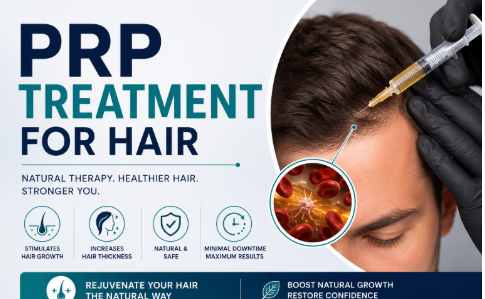
Watching your hair thin out — or worse, fall out faster than it used to — can mess with your confidence in ways you don’t always expect. Suddenly you’re avoiding certain hairstyles, certain lighting, certain photos. Shampoos and supplements might help a little, but for a lot of people, those just aren’t cutting it long-term. That’s pushed more and more folks toward regenerative medicine instead, and one option that keeps coming up is PRP treatment for hair.
The idea behind PRP — short for Platelet-Rich Plasma — is actually pretty clever. It uses your own blood, specifically the healing properties already in it, to wake up hair follicles that have gone dormant and encourage thicker, healthier growth over time. So whether you’re just starting to notice some thinning or you’ve been dealing with it for a while now, it’s an option worth at least looking into.
In this guide, we’ll break down how PRP actually works, what kind of results people tend to see, who it’s typically a good fit for, and what recovery looks like once you’ve gone through with it.
What Is PRP Treatment for Hair?
PRP treatment for hair works by taking plasma straight from your own blood — nothing synthetic, nothing foreign to your body. Platelets are packed with natural growth factors, and the idea is that those growth factors can help nourish hair follicles that have started to weaken, giving them a better shot at producing healthy growth again.
The process itself is pretty simple. It starts with a regular blood draw, just like you’d get at any doctor’s office. From there, the blood gets processed to pull out the platelet-rich plasma, and that plasma is then injected carefully into the areas of your scalp that need it most.
What sets PRP apart from most hair products on the shelf is what it’s actually targeting. Shampoos and topical treatments mostly just deal with how things look on the surface. PRP goes deeper — it’s working with your scalp’s own healing process to support real hair growth from the inside out.
Why More People Are Choosing PRP Treatment for Hair
PRP therapy has caught on for a good reason — it’s a way to deal with hair loss without going under the knife, using something your body already makes on its own. Here’s why people are drawn to it:
- It works with your natural hair growth process, not against it
- It uses your own blood’s healing properties, so nothing foreign goes into your system
- A lot of people see improvement in thickness and overall density
- It’s minimally invasive — no surgery involved
- Downtime is pretty much non-existent for most people
- Plans get tailored to you, not handed out the same way to everyone
- Over time, it tends to support healthier hair growth in general
That said, everyone’s different. How well it works really comes down to the condition of your hair follicles going in, plus your overall health — so results aren’t going to look identical from person to person.
Who May Benefit from PRP Treatment for Hair?
PRP treatment tends to come up for people at all kinds of different stages with their hair — not just one type of hair loss.
Male Pattern Hair Loss
For guys starting to notice their hair thinning out a bit earlier than they’d like, PRP can help support the follicles before things progress further.
Female Hair Thinning
Women dealing with thinning hair — whether it’s tied to hormones, age, or just life in general — often look into PRP as a way to deal with it without going the surgical route.
Stress-Related Hair Loss
Sometimes hair just starts falling out more than usual because life’s been a lot — stress, poor sleep, whatever it is. In cases like that, a treatment plan built around what’s actually going on with you, guided by an actual healthcare provider, can make a real difference.
Hair Weakness After Medical or Lifestyle Changes
If you’ve gone through something big — a major illness, a big shift in routine, anything that’s thrown your body off — and your hair’s taken a hit because of it, PRP is something worth considering to help bring some of that density back.
How PRP Treatment for Hair Works
Every treatment starts with a personalized consultation.
The process generally includes:
- Medical consultation and scalp evaluation.
- Small blood sample collection.
- Platelet-rich plasma preparation.
- PRP injections into targeted scalp areas.
- Follow-up sessions to monitor progress.
The goal is to stimulate healthy hair follicles and encourage natural hair growth over time.
Benefits of PRP Treatment for Hair
Results aren’t going to be identical for everyone, but there are a few reasons people keep choosing PRP therapy.
Supports Natural Hair Growth
PRP is loaded with growth factors that can help your hair follicles get healthier and grow the way they’re supposed to — naturally, without forcing anything.
May Increase Hair Thickness
A lot of patients start noticing their hair looking fuller as those existing follicles get stronger and healthier over time.
Minimally Invasive Procedure
No surgery, no long recovery. That alone makes it an easy option for people who want results without their whole life getting put on hold.
Personalized Hair Restoration
Your hair loss isn’t the same as the next person’s, so your treatment plan shouldn’t be either — everything gets built around your specific pattern and what you’re hoping to achieve.
Long-Term Hair Wellness
For people who stick with maintenance treatments when their provider recommends it, PRP can help keep supporting hair health well beyond that first session.
Who Is a Good Candidate for PRP Treatment?
PRP treatment for hair may be suitable for individuals experiencing:
- Early-stage hair loss
- Male pattern baldness
- Female pattern hair thinning
- Weak or thinning hair
- Receding hairline
- Reduced hair density
A healthcare provider can determine whether PRP therapy is appropriate after a complete evaluation.
What to Expect During Recovery
Recovery from PRP is honestly pretty painless — most people are back to their normal routine the same day.
A few things that help along the way:
- Stick to whatever aftercare instructions you’re given.
- Try not to mess with or irritate your scalp too much that first day.
- Drink plenty of water.
- Don’t skip your follow-up sessions if they’re recommended.
- Keep up good hair care habits in general.
Hair just doesn’t grow overnight, so don’t expect instant results. Most people start noticing real changes over the course of several months — it’s a gradual thing, but that’s just how hair growth works.
Why Personalized Hair Restoration Matters
Hair loss doesn’t look the same for everyone, so it doesn’t really make sense to treat it like it does. A treatment plan that’s actually built around you — your scalp, your history, what you’re hoping to get out of it — gives PRP a much better shot at working the way it’s supposed to.
And it’s not just about the injections themselves. Eating well, taking care of your scalp day to day, and staying connected with your provider along the way all add up. Put those together with PRP, and you’re giving yourself the best possible chance at real results.
Conclusion
PRP treatment for hair has really become one of the go-to non-surgical options for people who want fuller, healthier-looking hair without any of the risks that come with surgery. Since it’s literally using your own body’s healing properties, it works with your hair follicles rather than against them, helping growth come back gradually — and without putting your life on pause for weeks of recovery.If thinning hair has been on your mind and you’re looking for something natural before it gets further along, this could honestly be worth exploring. Contact us today, and we’ll walk you through what a personalized consultation looks like.