

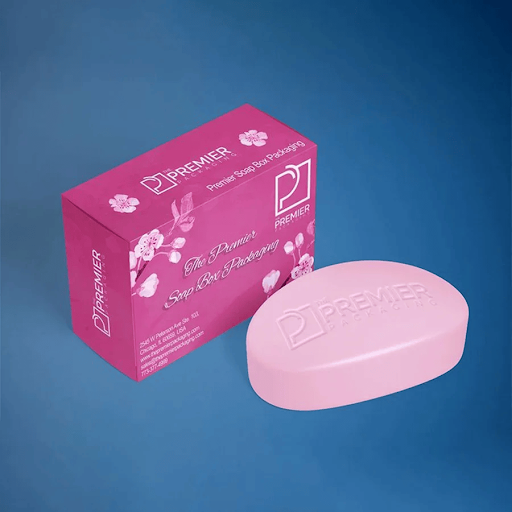
A customer once told me she nearly put a bar of soap back on the shelf because of the box it came in. Not the soap. The box. It was covered in glossy plastic film, way bigger than it needed to be, and honestly kind of ugly once you looked closely. She said it felt like the brand hadn’t thought about that part at all. That comment stuck with me longer than it probably should have, and it’s basically why I keep coming back to this topic of sustainable soap boxes, and why more soap brands are quietly switching over to custom soap boxes made from better materials.
People Are Looking at the Box Now, Not Just What’s Inside
Ten years ago nobody cared much about packaging. You bought the soap, tossed the box, moved on. These days it’s different. People flip boxes over to check if they’re recyclable. Some send messages to small brands asking what the packaging is made from before they even order.
Soap is a weird category for this, if you think about it. Brands market it as natural, handmade, gentle, good for your skin and then the bar shows up wrapped in shiny laminated cardboard that’ll sit in a landfill for decades. Customers pick up on that gap. Maybe not consciously every time, but it chips away at trust.
What Sustainable Actually Looks Like on a Soap Box
“Sustainable” gets used loosely enough that it barely means anything sometimes. So here’s what it actually looks like when a soap brand does it properly:
Kraft paper or recycled cardboard instead of that plastic-coated stock. Soy or water-based inks instead of the petroleum kind. Skipping lamination where possible, since laminated boxes are a pain to recycle. Boxes sized to actually fit the product instead of leaving half the box empty. And for brands that want to go further, compostable coatings that break down instead of sitting around forever.
None of this is hard to find anymore, either. Most packaging suppliers list these as regular options now, not some pricey upgrade tier. That’s changed a lot in the last five years or so.
It’s Not Just About Feeling Good There’s a Business Reason Too
I’m not going to pretend sustainability alone sells soap. It doesn’t. But it does one thing that’s genuinely hard to fake: it builds trust. A brand using eco-conscious custom soap boxes is quietly telling customers, “we thought about the whole thing, not just what’s inside.”
There’s a money angle too, and it’s worth mentioning. Kraft and recycled materials tend to weigh less than coated cardboard, which matters if you’re shipping orders yourself. And because these materials don’t take heavy printing well anyway, brands end up skipping the expensive foil stamping and ink-heavy designs. Sometimes a plain kraft box with one bold color does more work than a box plastered in graphics ever could.
Going Sustainable Doesn’t Mean Going Boring
Here’s the part people get wrong: switching materials doesn’t mean the box has to look plain or cheap. If anything, it pushes brands to actually think about design instead of hiding behind decoration. When you can’t print six colors on laminated stock, you have to rely on layout, spacing, a good logo, that kind of thing.
Some of the better soap packaging I’ve come across lately keeps it simple on purpose. A single embossed logo pressed into uncoated Kraft. Batch numbers stamped by hand, which somehow makes a product feel more small-batch even when it technically is anyway. Recycled tissue paper instead of plastic fill. A small QR code linking to ingredient info rather than cramming everything onto the box itself. Small stuff, but it adds up fast when a customer’s holding the product in their hands.
Questions Worth Asking Before You Pick a Supplier
If you’re a soap brand thinking about switching to sustainable custom soap boxes, here’s what I’d actually ask a supplier before signing off on anything:
Is the cardboard certified recycled, or from a responsibly managed source? Are they using soy or water-based inks, or just saying they are? Can they skip plastic lamination or shrink wrap entirely? What’s their minimum order does it actually match how much you’re producing right now? And can you get a physical sample before committing to a full print run?
A supplier who answers all that without dodging or stalling is usually one who’s built sustainability into how they actually operate, not just something they put on their website.
Where This Leaves Things
Packaging isn’t the boring last step before shipping a product out. For soap especially, it’s part of what a customer is actually buying into. And people are getting sharper at telling the difference between a brand that talks about being eco-conscious and one that’s actually doing it in the materials, the box size, the printing choices, all of it.
Switching to sustainable custom soap boxes won’t solve every problem a small brand has. But it does something that’s getting harder to fake these days it shows customers you cared about the whole product, box included. And with people reading labels more closely than they used to, that tends to get noticed.