

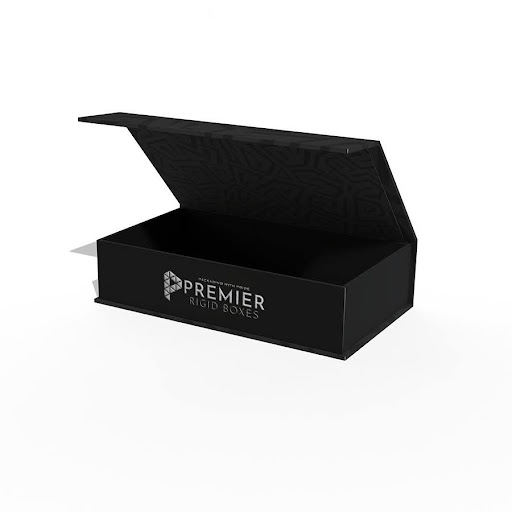
Someone once took almost a full minute just opening a box in front of me. Not the product inside it, the box. She untied a ribbon slowly, lifted a magnetic lid, ran her fingers over the surface before she’d even looked at what was inside. I remember thinking, okay, this is what people actually mean when they say luxury boxes. It has very little to do with price tags and a lot to do with getting someone to stop rushing for a second.
Plenty of brands assume a glossy coating and the word premium printed somewhere gets the job done. It really doesn’t work that way. There’s more going on under the surface with packaging that reads as luxury, and honestly most of it has nothing to do with gold foil or shiny finishes.
Weight Comes Before Looks
Hold a flimsy box next to a well-built one and you’ll feel the difference before your eyes even register what you’re looking at. Most luxury rigid boxes are rigid, made from thick dense board instead of the thin folding cardboard used for regular packaging. That’s not by accident. Weight tells someone’s hand something before their brain even catches up.
Rigid board costs more to work with. More material, more labor hours, slower production runs. That expense is basically the whole point though. A brand using it is saying, without printing a single word on the box, that nobody cut corners here.
The Box Itself Kind of Becomes Part of the Product
This is the piece a lot of people miss. For plenty of premium brands these days, the packaging isn’t just there to protect what’s inside, it’s part of what someone’s actually paying for. Jewelry companies figured this out a while ago. So did high-end skincare, watch brands, even a handful of tech companies over the past several years.
A magnetic closure that clicks shut with a small satisfying sound. A ribbon pull that eases an inner tray out slowly rather than someone just yanking the lid off. Tissue paper folded a particular way instead of stuffed in however it fits. None of that changes what the product does. It changes how the whole moment feels, and for a lot of people buying luxury goods, that feeling is genuinely part of the purchase.
Materials That Don’t Fall Apart Under a Closer Look
Cheap packaging tends to show its flaws once you look closely: a seam that’s a bit crooked, slightly blurry print, a hinge that wobbles. rigid boxes get examined up close pretty often, so the materials need to actually hold up to that.
A few things show up again and again here. Soft-touch matte lamination instead of standard glossy coating, mostly because it feels different against skin and doesn’t scratch as easily. Debossed or embossed logos, so the branding gets felt as much as it’s seen. Reinforced corners on rigid boxes so nothing dents in transit. And fabric or velvet-style interior lining, especially common with jewelry and watch boxes.
None of that ends up on a spec sheet someone reads before buying anything. It shows up the second the box lands in their hands, which is arguably a more honest test than any marketing description could ever be.
Keeping It Simple Is Actually Harder
Something that surprises people getting into packaging design for the first time the most expensive-feeling Custom luxury boxes are usually the plainest looking ones from the outside. A single embossed logo sitting on a matte black box. No pattern anywhere, no busy graphics competing for attention.
That’s deliberate, and it’s genuinely tougher to pull off than something loud and decorated. When a box has less going on, every single little detail matters, because nothing else is there to hide behind. A logo that’s slightly off-center on a plain black box jumps out immediately. On something covered in patterns, most people wouldn’t even notice.
Why Bother Spending This Much on Something People Throw Out
Here’s the part that confuses people sometimes. Most customers don’t actually keep the box around. So why would any brand pour real money into making it feel this good?
Because by the point someone’s tossing it in the recycling bin, it’s already done its work. It turned unboxing into something closer to an event than a chore. It told the customer, without needing to say it directly, that this brand notices details most companies skip past. And if the product was a gift, that box was the very first thing the person receiving it actually saw, which matters more than a lot of brands realize.
What Actually Matters When Sourcing Luxury Boxes
Anyone shopping around for a packaging supplier who can genuinely deliver something that reads as luxury should check a handful of things directly rather than trusting a catalog photo. Ask for a physical sample, since texture is something a picture just can’t show you. Test how it closes, whether that’s a magnetic lid, a ribbon pulls, or a plain lift-off top, and whether it feels solid in your hand or a little hollow. Ask what board thickness they’re actually using, because anything too thin reads as cheap regardless of how nice the print job looks. And find out if embossing or foil stamping happens in-house or gets outsourced somewhere else, since that tends to affect both the quality and how long orders take.
Bottom Line
Luxury boxes aren’t really about looking expensive for the sake of it. They come down to a handful of small, deliberate choices how much it weighs, how it feels under your fingers, the restraint in the design, even the sound a lid makes closing that together feel considered instead of mass-produced. Most people couldn’t tell you exactly why a box feels premium if you asked them. They just know within about three seconds of picking one up.