

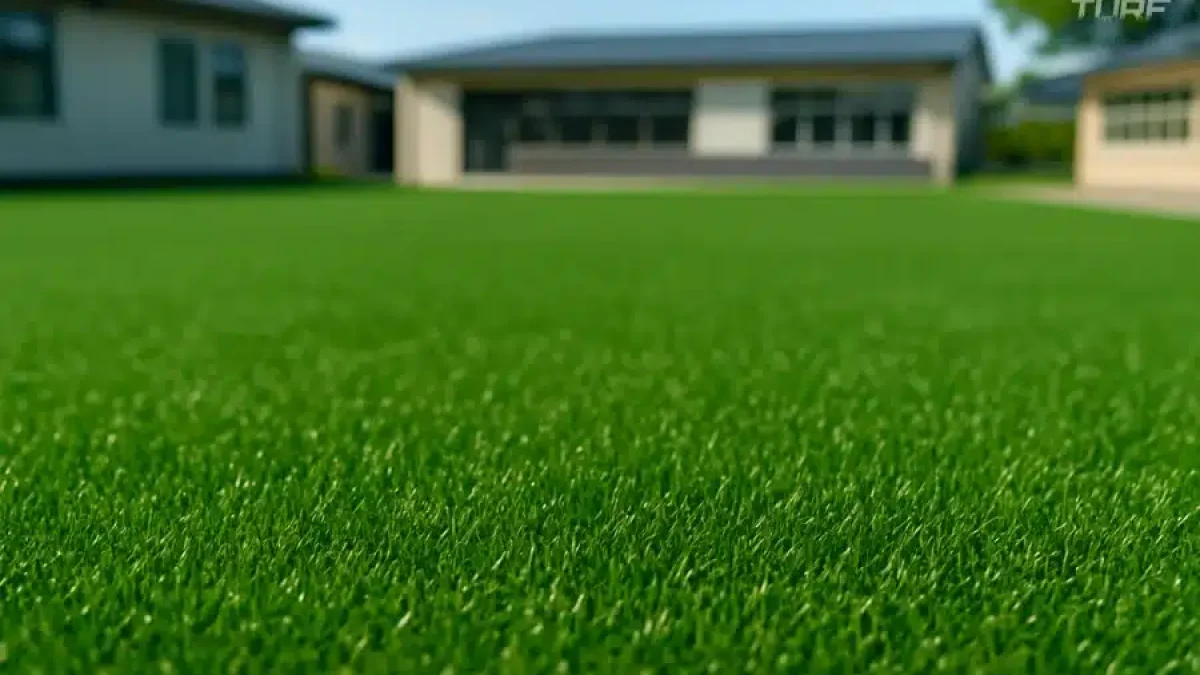
Artificial turf has become a game-changer for institutions and businesses looking for durable, low-maintenance, and visually appealing surfaces. Whether you are managing a school athletic program, developing a large-scale sports complex, or working on a commercial landscaping project, understanding the benefits and processes of synthetic grass installation is crucial. This guide provides a detailed overview of what to consider when planning your next turf project, from sports fields to aesthetic green spaces.
Why Choose Synthetic Turf for Modern Facilities?
The decision to transition from natural grass to synthetic alternatives is driven by several compelling factors. Natural grass demands rigorous upkeep, including constant watering, mowing, and fertilization, which can strain budgets and resources. In contrast, modern synthetic surfaces offer year-round playability and consistent aesthetics regardless of weather conditions. For schools and sports complex developers, this means maximizing the usage of the facility without the downtime associated with field recovery or muddy conditions.
Furthermore, the long-term cost-effectiveness of artificial grass makes it an attractive investment. While the initial installation requires a planned budget, the drastic reduction in maintenance costs often results in a favorable return on investment over the lifespan of the turf.
Planning a Sports Field: Key Considerations
When a project involves high-impact sports, the planning phase is critical. A well-constructed field is essential for athlete safety and performance. This is where professional expertise becomes invaluable. If you are looking for services like รับสร้างสนามฟุตบอลหญ้าเทียม, it is important to understand the components that make up a quality installation.
Crucial Steps in Sports Turf Installation
- Site Evaluation and Preparation: The foundation is everything. Proper excavation and grading ensure correct drainage and a level playing surface.
- Base Construction: Creating a stable, permeable base layer (often crushed stone) is vital for the longevity of the field.
- Shock Pad Installation: For contact sports, an underlayment shock pad is frequently recommended to enhance safety and shock absorption.
- Turf Selection: Choosing the right pile height, density, and material type based on the specific sport (e.g., soccer, field hockey, or multi-purpose).
- Infill Application: The infill (such as silica sand or crumb rubber) provides the necessary ballast, footing, and bounce characteristics for the athletes.
Selecting an experienced contractor to สร้างสนามฟุตบอลหญ้าเทียม ensures that these steps are executed with precision, meeting necessary safety and performance standards.
The Role of Expert Installation Partners
Executing a large-scale turf project requires specialized knowledge and equipment. This is why partnering with established professionals is highly recommended. Companies like Teamturfs offer the necessary expertise to navigate the complexities of turf installation, ensuring that the final product meets the specific needs of the client, whether it is a high school football field or a commercial landscape. Utilizing experienced contractors like Teamturfs minimizes risks and ensures the use of high-quality materials and proven installation techniques.
Transforming Landscapes with Artificial Grass
Beyond athletic fields, synthetic turf is increasingly utilized in landscaping projects by real estate developers and landscape architects. The appeal lies in its ability to provide a pristine, green appearance year-round with minimal upkeep.
When considering a จัดสวนหญ้าเทียม project, the focus shifts slightly from athletic performance to aesthetics and durability under foot traffic. Artificial grass is ideal for:
- Commercial Courtyards: Providing a welcoming green space for employees and visitors.
- Rooftop Gardens: Offering a lightweight, attractive alternative to natural soil and grass.
- High-Traffic Areas: Maintaining a perfect look in areas where natural grass would quickly wear down.
- Playgrounds: Creating a safe, clean environment for children when combined with appropriate shock-absorbing underlays.
Maintaining Your Investment
While significantly lower than natural grass, artificial turf still requires some maintenance to ensure its longevity and performance. Regular brushing helps keep the fibers upright and evenly distributes the infill. Debris such as leaves and twigs should be removed promptly to prevent organic buildup, which can affect drainage. Depending on the usage, occasional professional deep cleaning and infill replenishment may be necessary to keep the surface in optimal condition.
Conclusion
Whether your goal is to provide a premier athletic facility for students, develop a state-of-the-art sports complex, or create a low-maintenance, beautiful landscape, artificial turf offers a versatile and practical solution. By understanding the installation process and the importance of professional expertise for projects like รับสร้างสนามฟุตบอลหญ้าเทียม and จัดสวนหญ้าเทียม, you can make informed decisions that benefit your institution or business.
For professional guidance and comprehensive installation services for your next project, explore the options available at https://www.teamturfs.com/
Contact US
Address:99/96 Moo 18, Khlong Nueng Subdistrict, Khlong Luang District, Pathum Thani 12120, Thailand.
Phone:+6689 689 8288
Email:[email protected]
Website:https://www.teamturfs.com/