

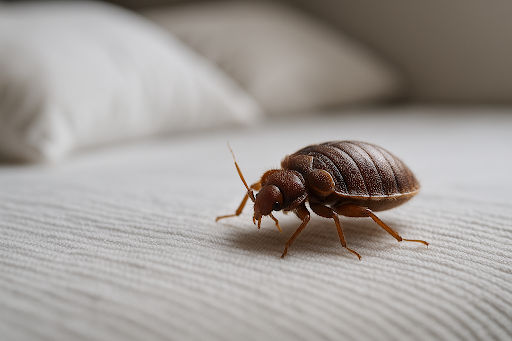
Most people think of pests as a mere household inconvenience — an annoying scratch in the wall, a few ants on the countertop, or an unexpected spider in the bath. But across the UK and Europe, pest activity is increasingly linked to a wider set of public health concerns that often go unspoken.
At a time when cities are densifying, infrastructure is ageing, and waste output is higher than ever, the conditions that support pests are growing too. Beyond the obvious discomfort, recent studies suggest that pests are quietly contributing to food contamination, allergic reactions, asthma development, and even mental stress.
This article explores the expanding intersection between pests and public health — and why policymakers, businesses, and homeowners should take this crossover more seriously.
Urban Areas Create Ideal Pest Ecosystems
Rodents, in particular, have adapted exceptionally well to urban environments. The combination of reliable shelter, consistent warmth, and abundant waste food sources makes cities a near-perfect habitat.
Mice can squeeze through gaps as small as 6 mm. Rats can scale vertical surfaces, swim through drains, and chew through most construction materials. Once they find entry points, their reproduction cycle takes over — turning small unnoticed incursions into fast-moving infestations.
In dense cities like London, Paris, and Berlin, this dynamic is intensifying year after year.
Food Safety: A Growing Concern
One of the most overlooked consequences of rising pest activity is its role in foodborne illnesses.
Rodents contaminate food long before their presence is detected. Their hair, droppings, and constant urination can introduce bacteria such as:
- Salmonella
- Listeria
- Leptospira
- E. coli
And this isn’t limited to domestic kitchens. Restaurants, takeaways, cafés, and food retailers face increasing scrutiny from local authorities — with pest control failures resulting in closures, fines, and damaged public trust.
This article provides a deeper breakdown of how pests threaten food hygiene and restaurant safety:
rodents and food safety
Climate Change Is Shifting Pest Patterns
Milder winters and warmer, longer summers are directly influencing pest reproduction cycles. Many species now remain active far beyond their historical seasons, with fewer cold spells to suppress population growth.
This has been documented especially with:
- Cockroaches
- Mosquitoes
- Mice
- Wasps
Extended breeding seasons mean more generations per year and more overlap between outdoor and indoor behaviour.
Mental Health: The Silent Impact
While harder to quantify, the psychological toll of pests is substantial. Anxiety, sleep disruption, embarrassment, and stress about contamination risks are common experiences across households dealing with infestations.
For businesses — particularly hospitality — the reputational anxiety is acute. A single customer photo shared online can trigger lasting brand damage, often irrespective of fault.
What This Means for Public Health Strategy
Pest management is often framed as a facilities issue rather than a public health priority. But as cities continue to expand and environmental conditions evolve, this framing is increasingly outdated.
Policy needs to shift toward:
- Proactive inspection programmes
- Stricter food safety monitoring
- Better building maintenance standards
- Public education on prevention
- Clear guidance for property managers
The goal isn’t to eradicate pests — which is impossible — but to manage them at levels that protect health, safety, and wellbeing.
For UK homeowners seeking practical guidance, Bugwise Pest Control offers preventative advice and tailored pest solutions across London & Essex, with BPCA-trained technicians helping residents address rodent, insect, and hygiene-related risks before they escalate.
Conclusion
Pests have always been part of the urban ecosystem, but their relationship with public health is changing. As infestations become more widespread and complex, understanding — and mitigating — the associated risks is becoming essential.