

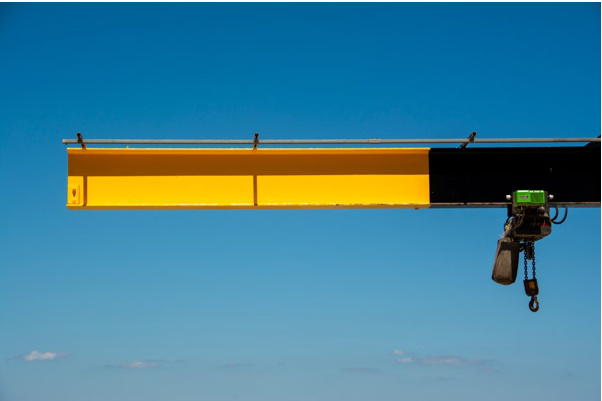
Jib cranes transform cramped, chaotic factory floors into smooth, efficient workspaces. Instead of relying solely on shared lifting equipment such as overhead cranes, workers can lift and move heavy materials right at their own stations. This simple change keeps production lines moving without any unnecessary delays. Manufacturing hubs around the world, from local workshops to industrial plants using high-quality jib cranes in Singapore, rely on these nimble lifting systems to handle daily heavy lifting.
Why Install a Jib Crane to Improve Productivity?
Time drains away when workers have to handle heavy loads manually or wait for shared lifting equipment. A dedicated jib crane solves this problem immediately. It gives operators complete control over their local workspace, reducing downtime. When a worker can swing a crane arm, pick up a component, and place it precisely where it needs to go in seconds, it helps improve workflow and reduce production delays.
Key Advantages of Jib Cranes in Manufacturing
Faster Material Handling and Reduced Worker Fatigue
Any type of heavy lifting is a tremendous strain on the human body. But none of the best lifting positions can prevent muscles from becoming tired and overstretched from moving heavy parts throughout the day. Your team does the light lifting with jib cranes.
Workers exert less physical effort. Reducing physical strain can help minimise fatigue and support consistent productivity throughout the shift. The machinery carries most of the load, so materials can be moved more quickly and efficiently than with manual handling.
Improved Workstation Efficiency
Many jib cranes have a compact footprint, making them ideal for workstations with limited floor space. Wall-mounted jib cranes require virtually no floor space, while pillar-mounted models occupy only a small footprint.
A self-sufficient work zone is created by positioning a crane at a particular workstation. Workers don’t have to leave their zones to locate shared equipment. They can access everything they need instantly, and work becomes much easier as a result.
Enhanced Workplace Safety
Workplace injuries can result in lost productivity, medical costs, and operational disruptions. A large proportion of workplace injuries are caused by improper manual lifting. Jib cranes help reduce the risk of manual handling injuries, back strain, and dropped loads when used correctly.
These cranes help operators move loads with greater control, reducing the likelihood of unintended swinging or collisions. Equipping your workers with the proper equipment helps keep them safe and fosters a safety culture.
Cost-Effective and Low-Maintenance Lifting Solution
It is very costly to equip a factory with large overhead bridge cranes. Jib cranes are a great solution for specific areas, and they are also cost-effective. They generally cost less to purchase and install than large overhead crane systems, making them ideal for workstation lifting and repetitive material handling tasks.
Their relatively simple design generally requires less maintenance than larger crane systems. With regular inspections and proper maintenance, jib cranes can provide reliable long-term performance.
Frequently Asked Questions About Jib Cranes
- Why install a jib crane? You install a jib crane to give individual workstations their own dedicated lifting power, which maximises space and speeds up daily tasks.
- Do jib cranes improve productivity? Yes, they eliminate wait times for shared-facility cranes and allow workers to move materials quickly.
- Are jib cranes easy to maintain? They require very little maintenance because they use a simple mechanical design with few moving parts.
- What are the advantages of jib cranes? They reduce worker fatigue, cut down on workplace injuries, save floor space, and offer a highly cost-effective lifting solution.
Final Thoughts
Smart manufacturing relies on removing bottlenecks and protecting your workforce. Jib cranes help address both challenges effectively. They turn demanding physical tasks into easy, precise operations while keeping your setup costs low. By adding these agile lifting tools to your production floor, you give your team the support they need to work faster, stay safer, and hit their daily targets with ease.