

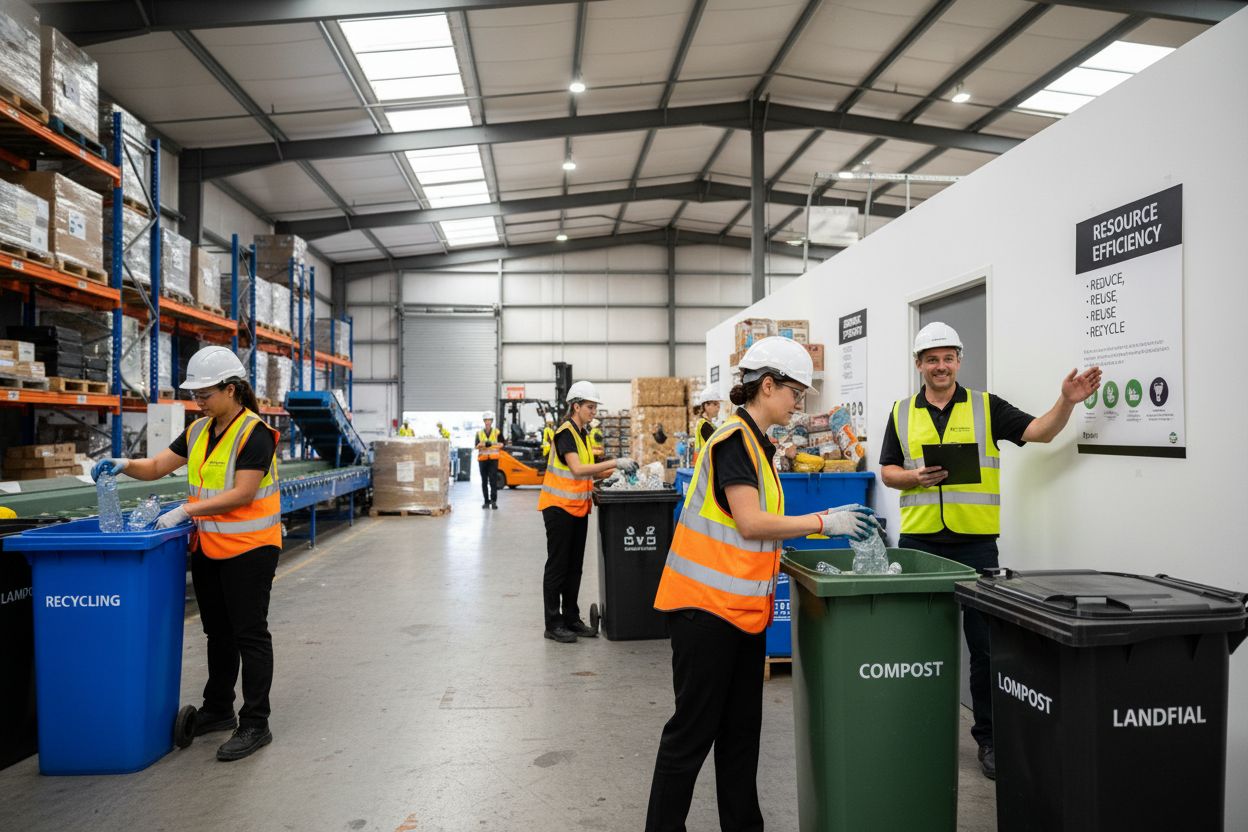
Recycling grants are financial awards provided by governments, local authorities, environmental organisations, and private funding bodies to support recycling initiatives. These grants are designed to encourage waste reduction, improve recycling infrastructure, and promote sustainable resource management across different sectors.
Businesses, charities, schools, community groups, and local councils may all be eligible for different types of recycling grants depending on the purpose of the project. Funding can be used for equipment purchases, educational campaigns, research projects, collection schemes, or improvements to waste management systems.
As environmental regulations and sustainability targets continue to develop, recycling grants have become an important tool for helping organisations invest in long-term waste reduction strategies.
Why Recycling Grants Are Important
Managing waste effectively can require significant investment, particularly for organisations dealing with large volumes of recyclable material. Recycling grants help reduce the financial burden associated with introducing or upgrading recycling systems.
Funding can support projects such as:
- Installing recycling bins and collection points
- Purchasing balers, compactors, or shredders
- Developing food waste recycling programmes
- Improving textile recycling systems
- Supporting construction waste recovery
- Creating educational recycling campaigns
By making these projects more financially accessible, recycling grants help increase recycling rates and reduce the amount of waste sent to landfill.
Types of Recycling Grants Available
Different funding schemes focus on different environmental goals. Some grants support local community projects, while others target commercial recycling operations or industry-specific waste streams.
Government Recycling Grants
National and local governments often provide recycling grants as part of wider environmental policies. These schemes may focus on reducing landfill waste, improving circular economy practices, or helping organisations meet sustainability targets.
Funding levels can vary significantly depending on the project scope and regional priorities. Some grants cover only a portion of project costs, while others may provide full funding for eligible initiatives.
Business Recycling Grants
Businesses can apply for recycling grants to improve workplace waste management and sustainability performance. These grants may support investments in recycling equipment, packaging reduction programmes, or systems that increase material recovery.
Manufacturing, retail, hospitality, and construction sectors are often targeted because of the volume and complexity of waste they generate.
Community and Charity Grants
Community groups and charities may access recycling grants for local environmental projects. These can include neighbourhood recycling schemes, reuse centres, repair workshops, or educational programmes designed to improve public awareness about recycling practices.
Smaller grants are often available for grassroots initiatives that encourage community participation and local environmental improvement.
Innovation and Research Funding
Some recycling grants are aimed at supporting innovation in waste management technology and material recovery. Universities, start-ups, and research organisations may receive funding to develop new recycling methods or improve the efficiency of existing systems.
This type of funding can support research into plastic alternatives, electronic waste recycling, or advanced sorting technologies.
Common Eligibility Requirements
Eligibility criteria for recycling grants depend on the organisation providing the funding. However, most schemes assess projects based on environmental impact, feasibility, and long-term sustainability.
Applicants are often required to provide:
- A detailed project proposal
- Estimated costs and budgets
- Expected recycling outcomes
- Evidence of environmental benefits
- Project timelines
- Information about the organisation applying
Some recycling grants also require matched funding, meaning the applicant contributes part of the project cost themselves.
Industries That Benefit from Recycling Grants
Many industries generate waste streams that can be improved through funded recycling initiatives.
Construction Industry
Construction projects produce significant amounts of waste materials including wood, metal, concrete, and plasterboard. Recycling grants can help companies invest in systems that improve material separation and recovery on-site.
Hospitality and Food Services
Restaurants, hotels, and catering businesses often use recycling grants to improve food waste collection and packaging recycling systems. Funding may also support composting equipment or reusable packaging initiatives.
Retail Sector
Retail businesses can apply for recycling grants to reduce packaging waste and improve customer-facing recycling schemes. Projects often focus on cardboard, plastics, textiles, or electronic waste.
Manufacturing
Manufacturers may use recycling grants to reduce production waste and improve material reuse processes. This can include equipment upgrades or systems that recover valuable materials from waste streams.
Environmental Benefits of Recycling Grants
The wider purpose of recycling grants is to support environmental improvement and resource conservation. Funded projects can contribute to:
- Reduced landfill use
- Lower carbon emissions
- Increased material recovery
- Improved public recycling participation
- Reduced pollution
- Greater resource efficiency
By supporting practical recycling solutions, these grants can help organisations transition towards more sustainable operations.
Challenges When Applying for Recycling Grants
Applying for recycling grants can involve a detailed assessment process. Competition for funding is often high, particularly for larger grants with broad eligibility criteria.
Common challenges include:
- Demonstrating measurable environmental impact
- Meeting application deadlines
- Providing accurate cost estimates
- Managing reporting requirements after funding approval
Organisations may need to show how their project will continue delivering environmental benefits after the grant funding has been used.
The Future of Recycling Grants
As sustainability becomes a growing priority worldwide, recycling grants are likely to continue evolving. Future funding schemes may place greater focus on circular economy principles, carbon reduction, and innovative recycling technologies.
Increased attention is also being given to difficult waste streams such as electronics, batteries, textiles, and flexible plastics. Recycling grants may play a larger role in supporting infrastructure and research needed to improve recovery rates in these areas.
For many organisations, access to recycling grants can provide an opportunity to introduce more sustainable waste management systems while reducing the financial barriers associated with environmental improvement projects.