

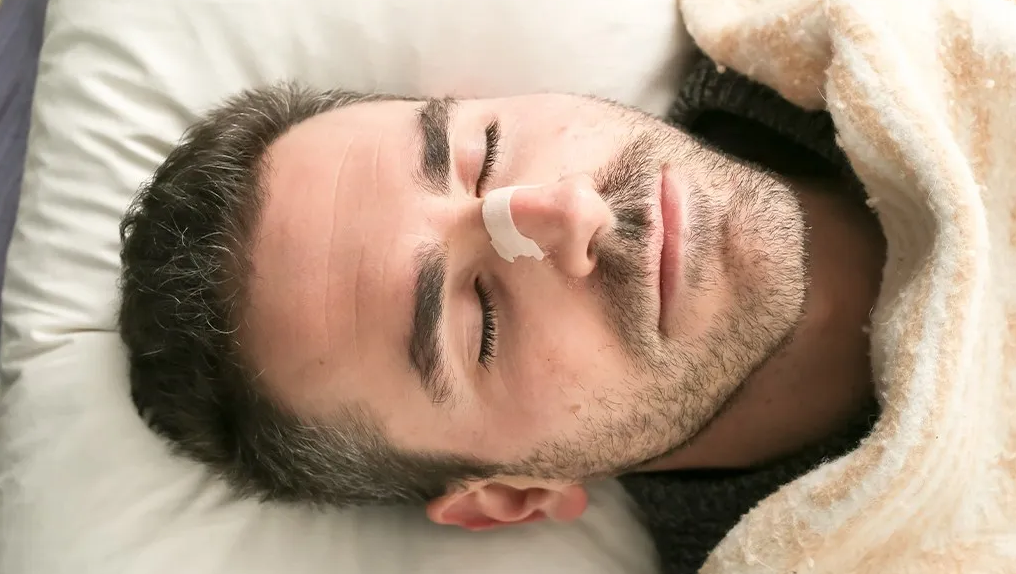
Most people don’t realise their nose is only doing half the job it should. You might think you’re breathing fine, but waking up with a dry mouth tells a different story. That inexplicable tiredness after a full night’s sleep? Your nasal passages might be the culprit. Nose strips for breathing aren’t just another wellness fad. They’re a mechanical solution to a problem that’s been quietly sabotaging your rest, workouts, and daily energy levels.
The Nasal Valve Problem
Here’s something your doctor probably never explained. The nasal valve accounts for a huge portion of your entire airway resistance. It’s a tiny area, barely noticeable. When it collapses even slightly, your breathing effort shoots up dramatically. Nasal strips work by targeting this exact spot.
The spring-like mechanism doesn’t just “open your nose a bit.” It counteracts the natural tendency of soft tissue to collapse inward. This happens especially during sleep when muscle tone drops. People often breathe worse at night without realising it. The strips keep that vulnerable area stable when your body can’t.
Why Snorers Are Mouth Breathers
Snoring isn’t actually about your throat being the problem. Most chronic snorers have switched to mouth breathing because their nose can’t keep up with oxygen demands during sleep. Once you’re breathing through your mouth, your tongue falls back. Your jaw relaxes. The real noise begins.
Nose strips for breathing interrupt this cycle at the source. When your nose works properly, your mouth stays closed. Your tongue stays forward. The entire chain reaction stops before it starts. It’s not about reducing snoring. It’s about eliminating the reason you snore in the first place.
The Athlete’s Secret
Elite athletes have known this for years. Recreational exercisers are catching on now. Nasal breathing during exercise isn’t just healthier. It’s actually more efficient once you’re conditioned for it. Your nose warms, filters, and humidifies air in ways your mouth never could.
The problem is that most people’s nasal passages can’t handle the volume during intense effort. Strips bridge that gap. They let you maintain nasal breathing at higher intensities. You’ll notice the difference most during recovery periods between sets or intervals. That’s when efficient breathing matters most.
Congestion Isn’t Always Mucus
You know that blocked feeling when you don’t actually have a cold? That’s often inflammation and swelling, not mucus buildup. Decongestant sprays shrink swollen tissue chemically. They cause rebound swelling when you stop using them, though.
Nose strips for breathing take a different approach. They physically expand the space regardless of what’s happening with the tissue itself. This is why they work even when you feel stuffed up but can’t actually blow anything out. The mechanical action doesn’t depend on changing your tissue chemistry.
The Pregnancy Advantage
Pregnant women face a lesser-known challenge called pregnancy rhinitis. Hormonal changes cause nasal swelling that can last months. Most medications are off-limits during pregnancy. Nasal strips become one of the few safe options that actually works.
The mechanical action doesn’t interact with hormones or cross the placenta. Many women discover them during pregnancy and continue using them afterward. They finally experienced what proper nasal breathing feels like. Going back isn’t an option once you know the difference.
Deviated Septum Workaround
A deviated septum means your nasal passage is partially blocked by misaligned cartilage. Surgery is the only permanent fix. Not everyone wants or needs it, though. What most people don’t realise is that the narrower side often has a weaker nasal valve too. This compounds the problem.
Strips can’t straighten your septum. They can stabilise and widen the valve on the compromised side, though. Some people find this provides enough improvement to avoid surgery altogether. Others use strips to postpone the decision indefinitely.
The Adaptation Period
Here’s what nobody mentions upfront. The first few nights might feel weird. Your body has adapted to restricted breathing over time. Suddenly increasing airflow can feel almost too open. Some people find it slightly uncomfortable initially.
You might unconsciously remove the strip in your sleep during the first week. This doesn’t mean they don’t work. It means your nervous system needs time to accept this as the new normal. Stick with it for a couple of weeks. You’ll wonder how you ever slept without them.
Conclusion
Nose strips for breathing address mechanical breathing restrictions that most people don’t know they have. Whether it’s a collapsing nasal valve during sleep or inflammation that won’t respond to medication, these strips create physical space where your body needs it most. Structural issues you’re not ready to surgically correct become manageable. The real value isn’t in what you feel immediately. It’s in the cumulative effect of breathing properly, night after night. Your body finally gets the oxygen efficiency it was designed to have.