

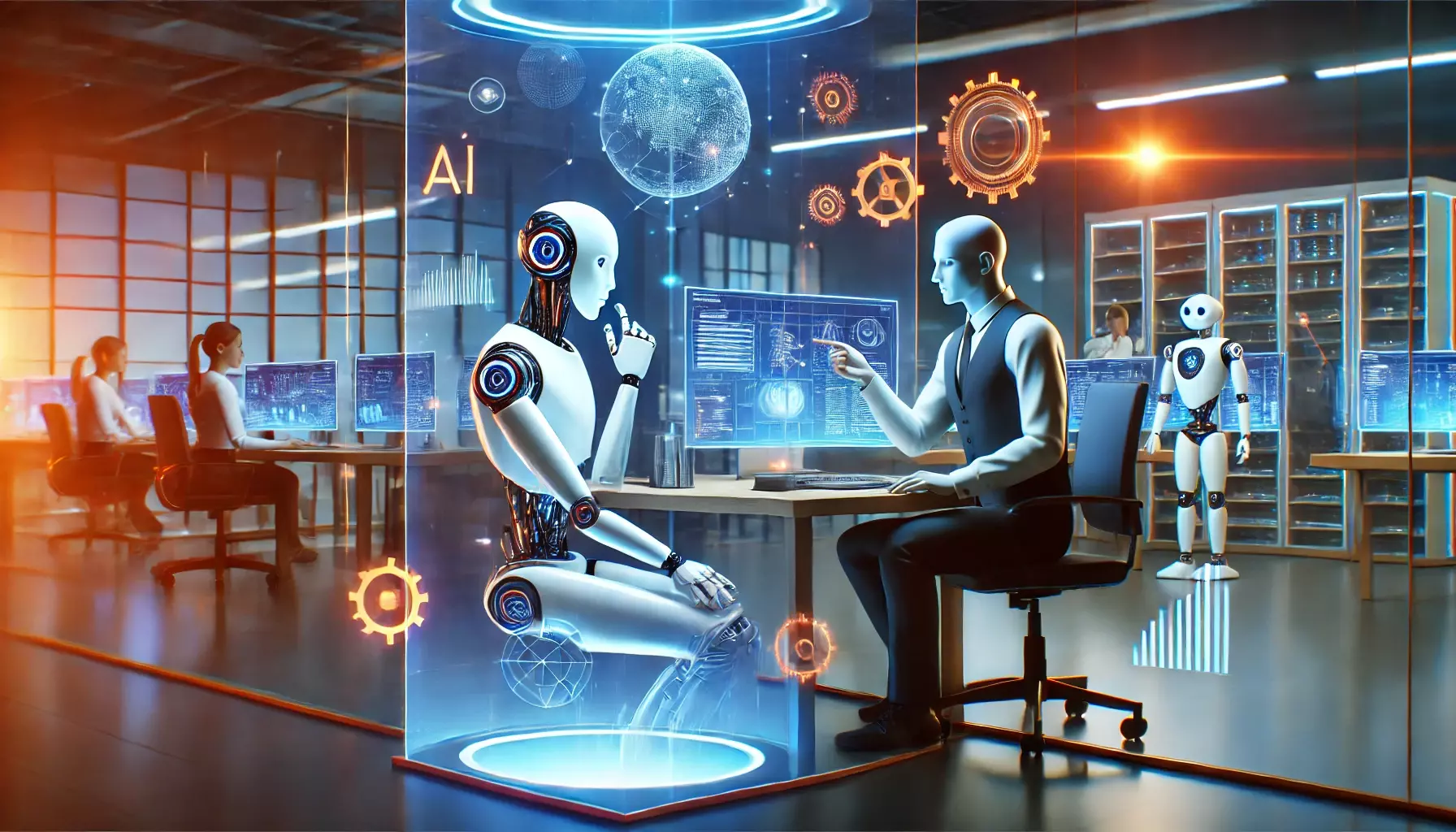
Artificial intelligence (AI) is no longer a futuristic concept—it’s a driving force reshaping how businesses operate in 2026 and beyond. From streamlining mundane tasks to providing deep insights through data analysis, AI is becoming an indispensable tool for companies aiming to stay competitive. Let’s explore how this technology is revolutionizing business operations and what it means for the future.
The Rise of AI in Everyday Business
AI has seamlessly integrated into the core of business processes, making operations faster and more efficient than ever. Companies now rely on AI-driven tools to handle everything from customer service chatbots to predictive inventory management. This shift isn’t just about cutting costs—it’s about enabling smarter decision-making with real-time insights that were once unimaginable.
Beyond automation, AI is also enhancing human capabilities by taking over repetitive tasks, allowing employees to focus on creative and strategic work. Imagine a marketing team using AI to analyze consumer trends instantly, freeing them to craft campaigns that resonate deeply. AI SEO tools are helping with things like link analysis, workflow, and optimizations. The technology’s ability to process vast datasets means businesses can anticipate needs before they arise, creating a proactive rather than reactive approach.
Personalized Customer Experiences at Scale
One of the most transformative impacts of AI is its ability to deliver hyper-personalized experiences to customers. Through machine learning algorithms, businesses can analyze individual preferences and behaviors to tailor offerings with pinpoint accuracy. This isn’t just a luxury—it’s becoming an expectation in a world where consumers demand relevance.
Take e-commerce as an example: AI systems recommend products based on past purchases, browsing history, and even social media activity. This level of customization builds trust and loyalty, as customers feel understood on a personal level. For deeper insights into how startups are leveraging such innovations, consider exploring this guide to top startup accelerators, which highlights how emerging companies are scaling with cutting-edge tech.
Moreover, AI-powered chatbots and virtual assistants now handle customer inquiries with a human-like touch, resolving issues around the clock. This ensures that businesses can maintain high satisfaction levels without scaling up human support teams exponentially. The result is a win-win—cost efficiency for companies and seamless service for clients.
Optimizing Supply Chains with Predictive Power
AI’s ability to forecast trends is revolutionizing supply chain management, a critical area for any business dealing with physical goods. By analyzing historical data, market conditions, and even weather patterns, AI can predict demand surges or disruptions with remarkable accuracy. This means companies can adjust inventory levels dynamically, avoiding overstock or shortages.
For manufacturers and retailers, this predictive power translates to significant cost savings and improved customer satisfaction. A delayed shipment due to poor planning can damage a brand’s reputation, but AI minimizes such risks by optimizing logistics in real time. It’s not just about reacting to data—it’s about staying one step ahead in a volatile market.
This is also where integrating reliable AI tools becomes essential for operational success. A AI platform for business like Zyro which is an all-in-one AI toolbox that helps businesses create content, generate leads, and automate tasks using a wide range of smart tools across marketing, writing, and workflows.
It’s good because it saves hours of work, boosts productivity, and lets you scale faster by handling repetitive tasks and delivering instant, high-quality results.
Enhancing Decision-Making with Data Insights
Data is the lifeblood of modern business, and AI is the engine that turns raw numbers into actionable strategies. Leaders no longer have to rely on gut feelings or outdated reports—AI systems provide data-driven recommendations that guide everything from product launches to budget allocations. This shift is empowering organizations to make informed choices with confidence.
Consider how financial firms use AI to detect fraud by spotting unusual patterns in transactions instantly. Similarly, healthcare providers leverage AI to predict patient outcomes and allocate resources effectively. These applications show how AI isn’t just a tool for efficiency—it’s a cornerstone for innovation across industries.
The beauty of AI lies in its ability to evolve as more data becomes available, continuously refining its insights. Businesses that embrace this technology can pivot quickly in response to market shifts, gaining a competitive edge. It’s about transforming uncertainty into opportunity, one algorithm at a time.
Securing Operations with AI-Driven Cybersecurity
As businesses digitize their operations, cybersecurity threats loom larger than ever, and AI is stepping up as a critical defense mechanism. Machine learning models can detect anomalies in network traffic, identifying potential breaches before they escalate. This proactive approach is vital in an era where cyberattacks can cripple a company overnight.
AI doesn’t just stop at detection—it also automates responses to threats, minimizing damage and downtime. For instance, when a phishing attempt is flagged, AI can isolate affected systems and alert administrators instantly. This level of protection ensures that businesses can focus on growth without constantly worrying about digital vulnerabilities.
Moreover, AI is helping companies stay compliant with evolving data privacy regulations by monitoring how information is handled. For a broader perspective on innovative approaches to tech challenges, take a look at this collection of unique innovation examples, which showcases how creative solutions are addressing complex problems. Integrating such inspiration with AI can fortify a business’s security posture significantly.
Fostering Collaboration Through AI Tools
AI is also redefining how teams collaborate, especially in a world where remote work remains prevalent. Virtual assistants powered by AI can schedule meetings, summarize discussions, and even suggest action items, making teamwork more efficient. This technology bridges gaps across time zones and departments, ensuring everyone stays aligned.
Beyond logistics, AI-driven platforms analyze communication patterns to improve productivity, identifying bottlenecks in workflows. For instance, if a project stalls due to unclear priorities, AI can highlight this issue and recommend solutions. The result is a more cohesive workforce, where technology amplifies human connection rather than replacing it.
This collaborative potential is especially crucial for startups and small businesses looking to scale without sprawling infrastructures. By embedding AI into their operations, these organizations can punch above their weight, competing with larger players. It’s a testament to how AI levels the playing field, empowering innovation at every level.
Looking Ahead: The AI-Powered Future
As we move deeper into 2026, the role of AI in business operations will only grow more profound. From personalizing customer interactions to securing digital assets, this technology is a catalyst for transformation across industries. The key takeaway? Embrace AI not as a replacement for human ingenuity, but as a partner that amplifies it, driving efficiency and innovation in equal measure.