

Choosing a sauna heater is one of the most important decisions in any home sauna project. The heater affects warm-up time, maintenance needs, installation planning, operating costs, and the overall character of the sauna experience. For many buyers, the choice comes down to two established options: modern electric units and traditional wood-fired models.
Both systems can produce excellent sauna conditions when sized and installed correctly. The better option depends less on trends and more on how the sauna will actually be used. A backyard sauna with no convenient electrical upgrade path may suit a wood-fired system. An indoor sauna that needs simple controls and predictable performance may be better served by an electric model.
Health discussions around sauna use also deserve a careful, evidence-based approach. Research suggests sauna bathing may support cardiovascular health and relaxation, but medical sources also note that hydration, session length, and underlying health conditions matter. Sauna use should be approached as a wellness practice, not a cure-all.
This guide explains how best sauna heaters electric options compare with wood-burning sauna stoves in real home settings, with attention to performance, safety, cost, and day-to-day practicality.
Why heater choice matters more than many buyers expect
A sauna heater does more than raise the air temperature. It shapes the way heat builds in the room, how stones perform, how much attention the user must give the system, and how consistently the sauna behaves from one session to the next.
A well-matched heater supports stable temperatures, proper stone capacity, and comfortable löyly, the steam created when water is applied to hot sauna stones. An undersized or poorly installed unit can lead to uneven heating, weak steam, longer warm-up times, and avoidable wear on materials.
This is why heater selection should be tied to the full sauna design. Room size, insulation level, ventilation, wall materials, power availability, chimney routing, and usage frequency all influence the right choice. In practice, the “best” heater is rarely the one with the most features. It is the one that fits the room, the installation conditions, and the owner’s habits.
That practical lens also helps avoid marketing noise. A buyer who wants fast, repeatable weekday sessions usually values different things than a buyer who wants an off-grid weekend ritual in a detached outdoor cabin.
What electric sauna heaters do best
Electric sauna heaters are popular because they are straightforward to operate and easy to integrate into modern homes. They heat predictably, typically require less daily effort, and can be paired with built-in or external controls for precise temperature management.
For homeowners comparing the best sauna heaters electric models, convenience is often the main advantage. With the press of a button or a programmed timer, the sauna begins heating without fire building, ash cleanup, or wood storage. That consistency matters for routine use. It lowers the friction between planning a sauna session and actually taking one.
Electric systems also fit indoor projects well. They avoid the ventilation and chimney considerations that come with combustion appliances, though they still require correct clearances, proper electrical work, and manufacturer-compliant installation. In many home environments, this makes them easier to plan around than wood-fired systems.
Another advantage is control. Electric heaters usually offer stable heat output, which helps maintain a more predictable session. For users who want reliability, faster weekday use, and cleaner operation, electric units are often the most practical choice.
Where wood-burning sauna stoves stand apart
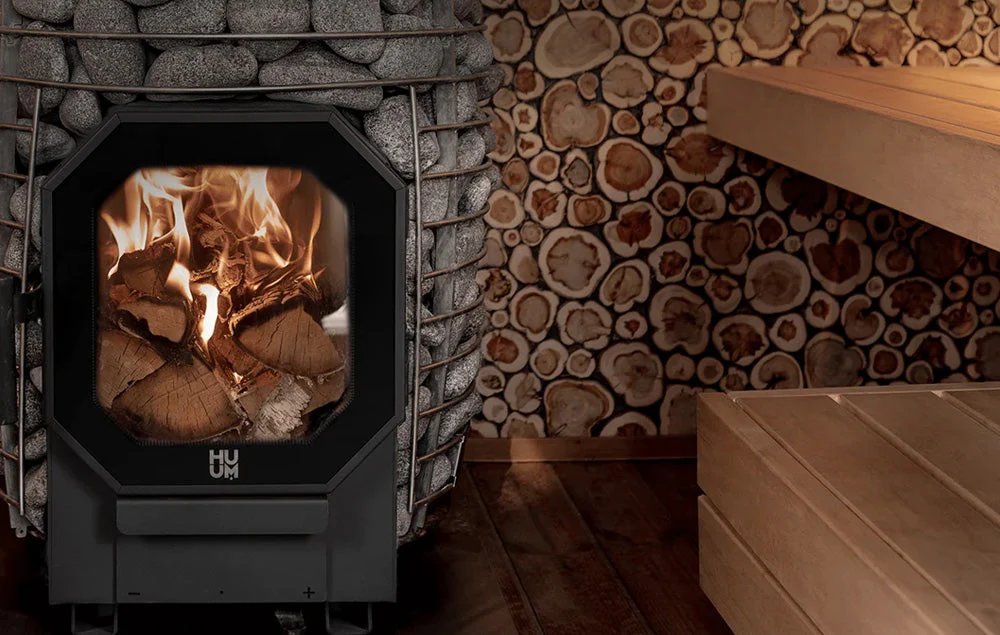
Wood-burning sauna stoves appeal to buyers who want a more traditional experience and a strong sense of atmosphere. The heat-up process is more involved, but many sauna owners value that rhythm rather than seeing it as a drawback.
A wood-fired stove changes the feel of a sauna session from the moment it starts. Building the fire, managing airflow, and waiting for the stones to reach temperature become part of the experience. For outdoor saunas, cabins, and rural properties, that can be a major part of the appeal.
These stoves also offer independence from high electrical loads. In some locations, installing a large electric heater may require service upgrades or complex electrical work. A wood-fired model may be easier to support where firewood is readily available and local building rules permit it.
Many users also describe the heat as softer or more layered, especially in well-designed rooms with a good stone mass. That does not mean wood is automatically superior. It means the style of heat is different, and often preferred by users who want a slower, more traditional sauna routine.
Heat quality and steam experience
Heat quality is one of the hardest factors to measure and one of the easiest to notice. Two sauna rooms at the same air temperature can feel very different depending on heater design, stone volume, ventilation, humidity, and room proportions.
Electric heaters often produce clean, steady heat. When the stone capacity is adequate and the unit is properly sized, they can deliver satisfying steam and very balanced sessions. This is one reason they perform well in regular-use home saunas.
Wood-burning sauna stoves often create a more gradual heat curve, with a room character that some users find more natural or immersive. Much of that experience comes from the combination of radiant heat, larger stone mass in some models, and the overall combustion-driven heating pattern.
What matters most is not the fuel type alone. It is whether the heater is correctly matched to the room and whether the sauna is built to support proper air circulation and safe steam use. Pouring water on stones should create pleasant steam, not harsh bursts of heat or uncomfortable dryness.
Installation realities homeowners should not overlook
Installation is often the point where preferences meet practical limits.
Electric installation considerations
Electric heaters need dedicated electrical capacity sized to the heater’s output and the applicable code requirements. Many units also require professional wiring and, depending on jurisdiction, inspection or permit approval. For indoor installations, this is often manageable and can be planned early in the project.
The key issue is not just whether electricity is available, but whether the home can support the required load without costly service changes. In some cases, the heater itself is affordable, but the electrical upgrade is what changes the budget.
Wood-fired installation considerations
Wood-fired systems require more infrastructure. A compliant chimney or flue, noncombustible floor protection, clearance management, combustion air planning, and local code compliance are all essential. This is not optional detail work. It is core safety planning.
For detached outdoor saunas, these requirements may be easier to accommodate. For indoor residential projects, they can become the deciding factor against wood. The safer and simpler installation path is often the better long-term choice, even when the traditional appeal of wood is strong.
Operating cost and maintenance over time
Operating cost is rarely just about fuel price. It includes upkeep, cleaning, replacement parts, labor, and time.
Electric heaters usually have lower daily effort. There is no ash removal, no wood handling, and less routine mess. Operating cost depends on heater size, session length, local electricity rates, and frequency of use. For homeowners who use the sauna often, the convenience may outweigh any differences in utility cost.
Wood-burning sauna stoves can be cost-effective where firewood is accessible and affordable, but they demand more user involvement. Firewood must be stored dry, fires must be built correctly, and ash must be removed regularly. Chimney inspection and ongoing maintenance also matter.
Over the long term, the right question is not which system is cheaper in theory. It is which system the owner will use consistently and maintain properly. A heater that fits the household routine usually delivers better value than one chosen only for fuel economics.
Safety and health considerations
Sauna discussions often drift into exaggerated wellness claims, so a grounded approach is important. Research suggests regular sauna bathing may be associated with cardiovascular benefits, relaxation, and lower blood pressure in some contexts, but the evidence does not support treating sauna use as a substitute for medical care. Major medical sources also note that more rigorous research is still needed for many claimed benefits.
Safety guidance is more settled. Dehydration and overheating are real concerns, especially during long sessions or in people with certain medical conditions. Harvard Health notes that saunas appear safe for most people, but people with uncontrolled high blood pressure or heart disease should check with a clinician before use. Cleveland Clinic also cautions that benefits should not be overstated, and Mayo Clinic explains how heat-related illness can develop when the body loses too much water or salt.
A few practical rules matter regardless of heater type:
Stay hydrated before and after use.
Avoid overly long sessions.
Use only manufacturer-approved installation methods.
Keep combustibles outside required clearances.
Do not treat heavy sweating as proof of “detox.” Cleveland Clinic notes there is not enough evidence that sweating through sauna use purifies the body in that way.
Which option fits different types of homeowners
The right choice usually becomes clearer when matched to real-life use cases.
Electric may be the better fit when
Electric is often the better answer for indoor saunas, frequent weekly use, households that value simple operation, and projects where precise controls matter. It also suits buyers who want a cleaner routine with fewer manual tasks.
For these users, comparing the best sauna heaters electric options makes sense because the main priorities are predictability, convenience, and seamless integration with a modern home.
Wood may be the better fit when
Wood often makes the most sense in detached outdoor saunas, off-grid or rural settings, and projects where tradition and ritual are part of the goal. It also fits owners who do not mind the extra time required to build and manage a fire.
For these users, wood-burning sauna stoves can offer a deeper connection to the traditional sauna experience, provided the installation is safe and compliant.
Common buying mistakes to avoid
One common mistake is choosing a heater before calculating the sauna room’s effective volume. Glass, masonry, and other less-insulated surfaces can change the heating requirement significantly.
Another mistake is focusing only on maximum temperature. A comfortable sauna depends on more than heat output. Stone capacity, room insulation, ventilation, bench layout, and control quality all affect performance.
A third mistake is underestimating installation constraints. A buyer may prefer wood on principle, only to find that chimney routing, clearances, or local code requirements make the project costly or impractical. The same can happen with electric units if the electrical service is not ready for the required load.
Finally, some buyers are swayed by broad health claims instead of solid design criteria. A sauna should be built and used safely first. Any wellness benefit depends on correct use, consistency, and individual health status, not on exaggerated promises.
Final decision: tradition or convenience
There is no universal winner between electric and wood-fired sauna heating. The better choice depends on the setting and the owner’s habits.
The strongest case for electric is ease. It offers simple startup, consistent performance, and a good fit for many indoor home installations. The strongest case for wood is character. It brings a traditional rhythm and atmosphere that many sauna owners value deeply, especially in outdoor settings.
For buyers trying to decide between the best sauna heaters electric models and wood-burning sauna stoves, the most reliable approach is to step back from marketing language and evaluate four factors: installation constraints, expected usage frequency, maintenance tolerance, and the kind of sauna experience desired.
When those four are clear, the right heater choice usually becomes clear as well. A sauna performs best when the heating system fits the room, the site, and the user. That is what turns a sauna from a good idea into a durable, enjoyable part of the home.