

Introduction
Creativity thrives when different art forms complement each other. One of the most exciting combinations in modern expression is when sound meets visuals. This is why music make the perfect pair with visual art—together, they create immersive experiences that captivate the senses and inspire new ideas.
From music videos and live performances to gallery installations and digital media, the fusion of music and visual art allows artists to communicate emotions, tell stories, and connect with audiences in unique ways. Even lifestyle and fashion trends, such as footwear women designs inspired by music and art culture, reflect this creative synergy.
In this blog, you will learn how music and visual art collaborate to elevate modern creativity, how they inspire innovative experiences, and how this pairing influences culture, design, and everyday life.
How Music Enhances Visual Art
Music can amplify the emotional and narrative power of visual art. When paired thoughtfully, it adds depth, rhythm, and context to creative works, making the experience more engaging.
Creating Emotional Depth
Visual art often relies on color, texture, and composition to convey emotion. Music adds another layer, enhancing these emotions through melody, tempo, and harmony. Together, they engage multiple senses, making the experience more memorable.
This is why music make the perfect pair with visual art in exhibitions, installations, and digital projects. Sound can evoke nostalgia, excitement, or tension, complementing the visual message.
Influencing Artistic Style
Musicians and visual artists frequently inspire each other. Paintings, digital graphics, and installations may draw directly from the rhythm, mood, or genre of music. For example, abstract visuals might echo jazz improvisation, while bold, rhythmic patterns could mirror electronic beats.
Even in commercial design, elements inspired by music influence trends in lifestyle products, such as footwear women collections featuring vibrant patterns and energetic colors inspired by musical culture.
Enhancing Storytelling in Media
Music also elevates storytelling within visual media. In films, animation, and music videos, soundtracks underscore narrative arcs, highlight dramatic moments, and enhance character development. The combination demonstrates how music make the perfect pair with visual storytelling to create immersive experiences.
Collaborative Projects in Modern Creativity
The collaboration between musicians and visual artists continues to push boundaries, offering audiences innovative and interactive experiences.
Music Videos as Artistic Platforms
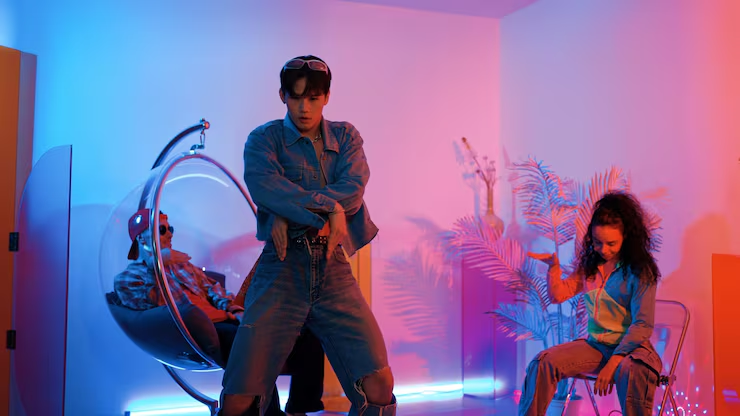
Music videos are a clear example of how music make the perfect pair with visual art. Directors, choreographers, and graphic designers work together to translate music into compelling visuals. These projects often include cinematic techniques, animation, and creative set designs that deepen the song’s message.
Through this collaborative approach, music videos become more than just promotional tools—they evolve into artistic statements.
Digital Installations and Interactive Art
Technology has opened new possibilities for combining sound and visuals. Digital installations often allow audiences to interact with music through visual interfaces. Visitors can influence visuals based on movement, touch, or audio input, creating a dynamic, multi-sensory experience.
This fusion exemplifies how music make the perfect pair with art in contemporary settings, transforming passive observation into active participation.
Cross-Industry Influence: Fashion and Lifestyle
The fusion of music and visual art also inspires lifestyle and fashion trends. Designers often draw from musical culture and artistic aesthetics when creating apparel, accessories, and even footwear women collections. Sneakers and shoes may feature bold patterns, vibrant colors, or graphics inspired by album art or iconic performances.
By integrating music and visual art into design, creators provide products that resonate culturally while celebrating artistic collaboration.
Cultural and Experiential Impact
The combination of music and visual art goes beyond aesthetics—it shapes culture, drives innovation, and enhances human experiences.
Strengthening Cultural Identity
Collaborations between musicians and visual artists reflect cultural movements and social narratives. Art and music together can highlight social issues, celebrate heritage, or create shared cultural experiences.
By experiencing both mediums simultaneously, audiences connect more deeply with cultural messages, showing why music make the perfect pair in shaping modern creative expression.
Inspiring Future Creativity
The pairing of music and art encourages cross-disciplinary experimentation. Artists are motivated to explore new techniques, technologies, and formats, often producing innovative projects that transcend traditional boundaries.
This cross-pollination fuels creativity in galleries, music festivals, digital media, and even fashion, influencing trends such as bold, music-inspired footwear women lines.
Creating Immersive Experiences
Interactive exhibitions, live performances, and digital media showcase how music and visuals together create immersive environments. Audiences can feel, hear, and see art in ways that elevate engagement and emotional connection.
The result is a richer, more memorable creative experience that demonstrates why music make the perfect pair in modern expression.
Conclusion
Music and visual art complement each other in ways that enhance creativity, storytelling, and cultural impact. From immersive exhibitions and music videos to lifestyle products like footwear women collections, the fusion of sound and visuals demonstrates how two artistic forms together can create experiences far greater than the sum of their parts.
By exploring the synergy between these mediums, artists, designers, and audiences gain new ways to connect with creativity, inspire innovation, and celebrate expression. This enduring partnership proves that music make the perfect pair in modern creativity, shaping the way we see, hear, and interact with art in everyday life.