

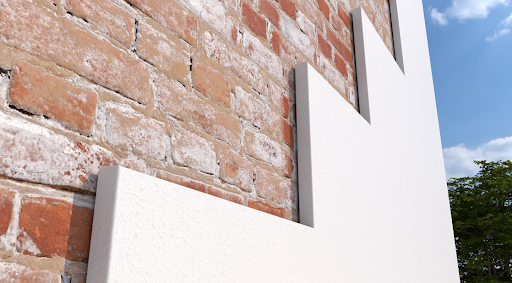
Most building materials come and go with trends. Polystyrene wall cladding has stuck around, and there are real reasons for that. At its core, it is a wall finishing system built from expanded or extruded polystyrene foam. A reinforced render or polymer finish gets applied over the top, giving it durability and a clean final appearance. Brick, timber, and fibre cement have dominated Australian construction for decades — but this material has carved out a genuine space among them. Builders are choosing it more often, and homeowners are starting to understand why.
Thermal Performance
Australia’s climate is all over the place. One region bakes through summer while another shivers through a wet, cold winter. Keeping a home comfortable across those extremes is genuinely difficult. Polystyrene helps with that. It is a naturally insulating material, so walls clad with it hold warmth in when temperatures drop and resist heat entry when things get scorching outside. Heating and cooling systems end up working less. That matters — not just for comfort, but for the long-term liveability of a home across changing seasons.
Lightweight Construction
Heavy cladding puts stress on a building. That stress adds up — structurally, financially, and in terms of sheer labour. Polystyrene wall cladding does not carry that burden. It is light, manageable on-site, and does not demand extra structural reinforcement just to hold itself up. Renovation projects tend to benefit most from this. Older buildings often have weight restrictions that rule out heavier materials entirely. With polystyrene, those restrictions become far less of an obstacle. Work moves faster, and the building frame is not pushed beyond what it was designed to handle.
Weather and Moisture Resistance
Salt air off the coast. Relentless tropical humidity. Dry inland heat followed by sudden, heavy rain. Australian weather tests buildings in ways that are hard to fully prepare for. Timber absorbs moisture and eventually pays the price — warping, rotting, losing structural integrity over time. Polystyrene simply does not behave that way. Moisture does not get absorbed. The material holds its form. When it is correctly installed and finished, it functions as a reliable shield against wind-driven rain and the kind of drawn-out wet conditions that quietly damage buildings from the outside inward.
Versatile Design Options
Performance and appearance do not always sit comfortably together. With polystyrene wall cladding, they generally do. The finishing systems applied over the panels are flexible enough to produce a wide range of looks — smooth contemporary render, textured stone finishes, classic stucco. Curved walls are achievable. Decorative cornices work well with the system. Feature panels are no problem either. Architects have taken notice because the material does not force a compromise between how a building performs and how it looks. That flexibility is rare, and it is a genuine drawcard for design-conscious projects.
Acoustic Advantages
Nobody thinks about sound until it becomes a problem. Then it is all they think about. Road noise, aircraft overhead, sound drifting in from neighbouring properties — these things erode the comfort of a home steadily and quietly. Polystyrene has a cellular structure that absorbs sound rather than letting it pass straight through. It is not a purpose-built acoustic product, but the contribution it makes is real. Urban homes and properties near busy roads tend to feel noticeably quieter when this cladding is in place. That is a small detail that makes a meaningful difference to daily life.
Ease of Installation
Masonry is slow. Anyone who has watched a brick wall go up knows that. Polystyrene cladding works differently. Panels get cut to size on-site, shaped around openings, and fixed directly to the substrate. The tools required are basic. The process is straightforward. Across Australia, more tradespeople have become comfortable with the system, so quality installation is not hard to find. On larger builds, the time saved during installation becomes significant. Projects finish sooner. That outcome tends to work well for everyone involved — builders, developers, and homeowners alike.
Conclusion
Polystyrene wall cladding has earned genuine respect in Australian construction — not through marketing, but through consistent performance. It insulates, resists moisture, weathers harsh conditions, and leaves room for strong design outcomes without complicating the structural side of a build. Installation is practical and relatively quick. The finished result holds up well over time. As efficiency standards tighten and design expectations keep climbing, this material is not going anywhere. If anything, its place in the Australian building industry looks more secure now than it ever has.