

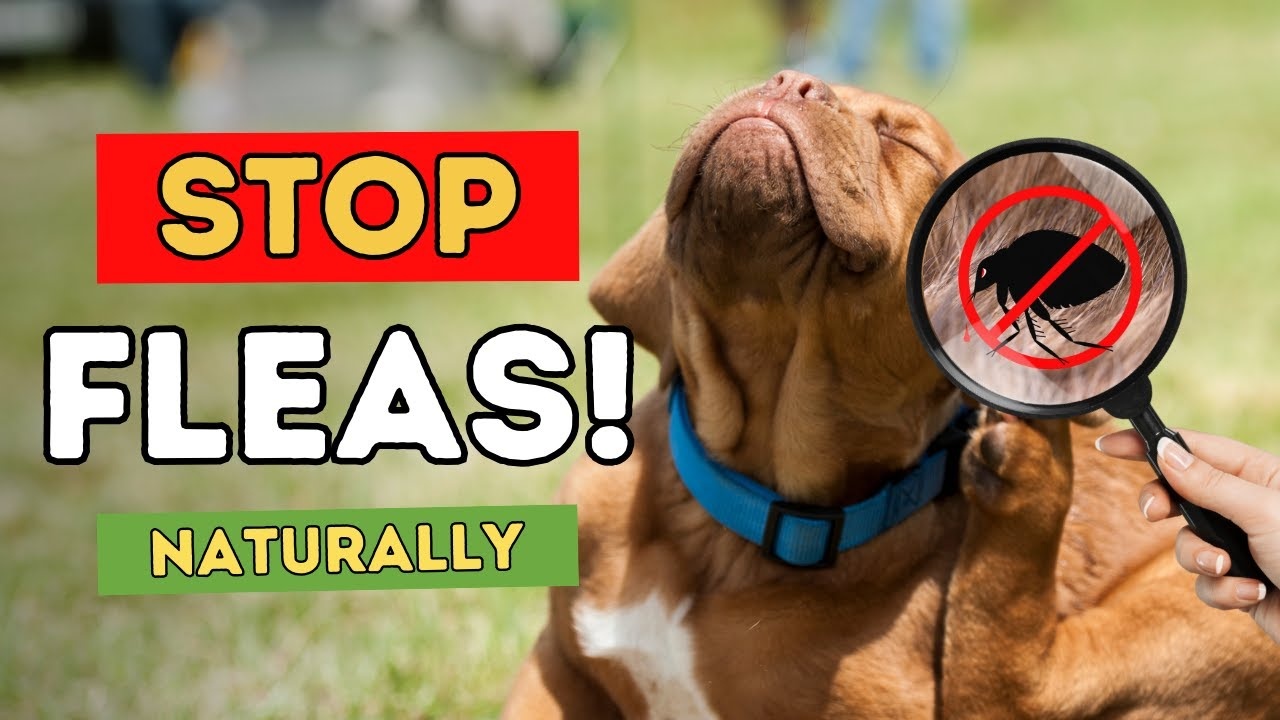
Fleas may be tiny, but they can cause big problems for pets and people. They multiply fast, hide in places you would never think to check, and spread through a home long before the first signs appear. Their bites cause itching and irritation, and some pets even develop allergic reactions. Because fleas are persistent and adapt quickly, basic cleaning or store bought sprays often are not enough to stop them. When the problem keeps coming back or grows out of control, professional fleas control services Brisbane become an important solution.
Why Fleas Become a Serious Problem
Fleas can become a serious problem for several reasons, primarily due to their impact on both pets and humans. Here are some key factors:
- Rapid Reproduction: Fleas reproduce quickly, with female fleas laying hundreds of eggs in a short period. This can lead to large infestations in a matter of weeks.
- Persistent Infestations: Fleas can hide in carpets, bedding, furniture, and outdoor areas, making it difficult to completely eliminate them without thorough treatment.
- Health Risks to Pets: Fleas cause discomfort, itching, and allergic reactions in pets. They can also transmit diseases such as tapeworms and bacterial infections.
- Difficult to Control: Once established, flea infestations can be challenging to eradicate, requiring multiple treatments and ongoing prevention measures.
How to Identify a Flea Problem Early
Spotting fleas early can prevent a small issue from becoming a full infestation. Identifying a flea problem early can help you control the infestation before it becomes severe. Here are some signs to watch for:
- Frequent Scratching or Biting: Pets, especially dogs and cats, scratching, biting, or licking excessively can indicate fleas.
- Flea Dirt: Tiny black specks that look like pepper on your pet’s skin or fur are actually flea droppings. To check, place the specks on a damp paper towel and if they turn reddish brown, it means fleas are present.
- Visible Fleas: Adult fleas are small, dark brown, and quick-moving. They can sometimes be seen jumping on your pet or in your home.
- Bite Marks on Humans: Small, itchy bites, often in clusters or lines, particularly around ankles, legs, or waist.
- Pet Skin and Coat Changes: Hair loss, redness, or irritated skin, especially around the neck, tail, or abdomen.
How Flea Infestations Spread
Flea infestations spread through several common pathways, making them highly contagious and challenging to control once established. Here are the primary ways fleas spread:
- From Pets to Environment: Fleas often jump onto pets like dogs and cats, then lay eggs in their fur. When the pet moves around the home, fleas and eggs drop into carpets, furniture, and bedding.
- Between Animals: Fleas can transfer from one infected animal to another, especially in multi-pet households or shelters.
- From Outdoors to Indoors: Fleas thrive in outdoor environments such as tall grass, leaf litter, and shady areas. Pets can pick up fleas while outside and bring them inside.
- Via Human Clothing and Items: Fleas can hitch a ride on clothing, shoes, or objects like pet carriers, blankets, or furniture, spreading the infestation to new areas
- Repeated Reinfestation: Fleas have a complex life cycle with eggs, larvae, pupae, and adults. Eggs and larvae can remain dormant for weeks and then hatch, causing recurring infestations if not thoroughly treated.
How to Prevent a Flea Infestation
Preventing a flea infestation involves proactive measures to keep fleas away from your pets and home. Here are some effective strategies:
- Use Vet Recommended Flea Preventatives: Administer monthly flea preventatives such as topical treatments, oral medications, or collars recommended by your veterinarian.
- Regular Grooming and Inspection: Brush and inspect your pets regularly for fleas or flea dirt, especially during peak seasons.
- Maintain a Clean Home Environment: Vacuum carpets, rugs, furniture, and pet bedding frequently to remove eggs, larvae, and adults. Dispose of vacuum bags promptly.
- Wash Bedding and Linens Often: Clean your pet’s bedding, blankets, and other fabric items in hot water weekly.
- Treat the Environment: Use environmental flea control products like sprays or powders in your home and yard, especially if your area is prone to fleas.
- Limit Outdoor Exposure: Keep your yard tidy, mow the lawn regularly, and remove tall grass or leaf litter where fleas can thrive.
- Check New Pets: Quarantine and inspect new pets before introducing them to your household to prevent bringing fleas inside.
- Regular Veterinary Checkups: Routine vet visits help catch any early signs of fleas or other parasites.
When to Call Professional Fleas Control Services
Knowing when to call professional flea control services can save you time and ensure effective eradication. Consider contacting professionals if:
- Over the Counter Treatments Fail: If flea treatments you have tried at home do not eliminate fleas after a few weeks, professional help may be necessary.
- Severe Infestation: Large numbers of fleas on your pets and throughout your home indicate a serious problem that requires specialized equipment and expertise.
- Persistent Flea Bites: If you or your family continue to experience bites despite home treatments, an infestation may be ongoing.
- Difficulty Locating Fleas: If you are unable to find or confirm fleas but suspect an infestation due to scratching or bites, professionals can perform thorough inspections.
- Pet Health Concerns: Fleas can transmit diseases and cause allergic reactions. If your pet’s health is not improving or they show signs of flea allergy dermatitis, seek professional advice.
- Recurring Problems: Fleas often come back if the environment isn’t fully treated. Professionals can identify hidden breeding sites and provide comprehensive solutions.
- Lack of Time or Expertise: If you feel overwhelmed or unsure how to properly treat your home and pets, professional pest control services are a reliable option.
Fleas may be small, but the problems they create can grow quickly if left untreated. Early detection, consistent prevention, and proper care for pets are the best ways to keep fleas under control. When an infestation becomes too difficult to manage alone, professional fleas control services provide the expertise and tools needed to eliminate the problem completely. With a combination of smart prevention and reliable support, homeowners can maintain a safe and flea free home for their families and pets.